Interoperability in Healthcare: The Invisible Challenge Holding Back Digital Transformation
Breaking down healthcare's biggest hurdle to unlock seamless data exchange and patient care
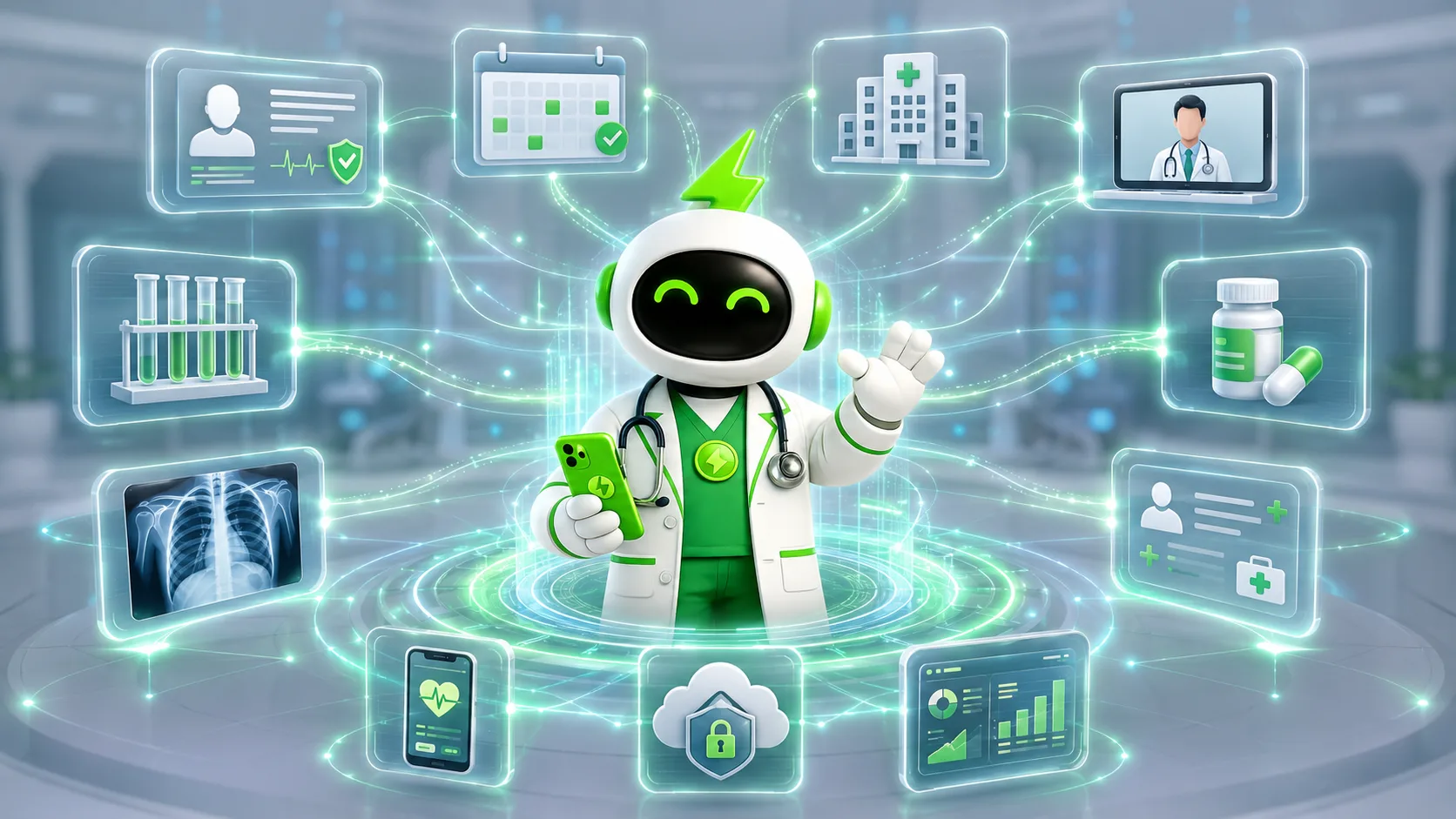
Many healthcare organizations believe they are advancing in digital transformation because they have implemented new software, bots, or platforms.
However, there is a silent obstacle slowing everything down: the lack of interoperability.
Without real integration between systems, digitalization turns into expensive silos that are difficult to scale and manage. This is one of the greatest challenges facing organizations seeking true healthcare digital transformation.
👉 https://cocotech.ai/en/blog/digital-transformation-in-healthcare
What is interoperability in healthcare?
Interoperability is the ability of different systems to share information securely, in a structured and meaningful way, without friction or rework.
In healthcare, this means that HIS, scheduling systems, CRM platforms, call centers, digital channels, and analytics operate as a single ecosystem, not as disconnected tools.
When this integration fails, key indicators such as operational efficiency and care delivery times are directly impacted.
👉 https://cocotech.ai/en/blog/reducing-wait-times-in-healthcare
The real problem: systems that don’t talk to each other
In practice, many healthcare organizations operate like this:
-
Scheduling lives in one system
-
The call center runs on another
-
WhatsApp is handled by an external platform
-
Clinical data sits in a closed HIS
-
Reports are built in Excel
The outcome is predictable:
✔ rework
✔ human error
✔ poor patient experience
✔ decisions based on incomplete data
This scenario is common in clinical management models that have not yet evolved toward integrated ecosystems.
👉 https://cocotech.ai/en/blog/clinical-management-peru-2026-challenges
Standards like HL7 and FHIR: necessary, but not sufficient
Interoperability standards such as HL7 and FHIR are essential, but they do not solve the problem on their own.
True interoperability requires:
-
An integration-first architecture
-
Workflow orchestration across systems
-
Strong data governance
-
Security and traceability
Having APIs is not enough.
Without a clear strategy, even the most advanced technology remains underutilized, something frequently seen in AI adoption initiatives built on weak integration foundations.
👉 https://cocotech.ai/en/blog/strategic-ai-workshop-healthcare-leaders
Patient-centered interoperability
When systems are properly integrated, the impact is immediate:
-
Patients don’t have to repeat information
-
Appointments update in real time
-
Communication channels respond with context
-
Teams operate with a unified view
At this stage, technology becomes almost invisible, and what remains is a fluid, coherent, and patient-centered experience, one of the core goals of healthcare innovation led today by forward-thinking organizations.
👉 https://cocotech.ai/en/blog/coco-drives-digital-transformation-in-healthcare-innovation-and-the-medellin-health-city-summit-2025
The role of intelligent automation
Modern interoperability goes beyond data exchange.
It enables event-driven automation:
-
A cancellation triggers a new scheduling flow
-
A no-show activates recovery workflows
-
A diagnosis enables automated follow-up
This is where AI and automation become a true competitive advantage, allowing organizations to move from reaction to anticipation.
Conclusion
Healthcare digital transformation is not measured by how many tools are implemented, but by how well those tools are connected.
Interoperability is the invisible foundation of an efficient, scalable, patient-centered healthcare system.
Ignoring it is, quite literally, digitizing chaos.
What problem does Interoperability in Healthcare: The Invisible Challenge Holding Back Digital Transformation address?
How can it be applied in a clinic, hospital, or healthcare provider?
Which indicators should healthcare leaders track?
Do you want to optimize medical scheduling?
See how COCO helps automate access, confirm appointments, and reduce operational workload.
COCO in the press
What independent media have published on this topic.
Related articles
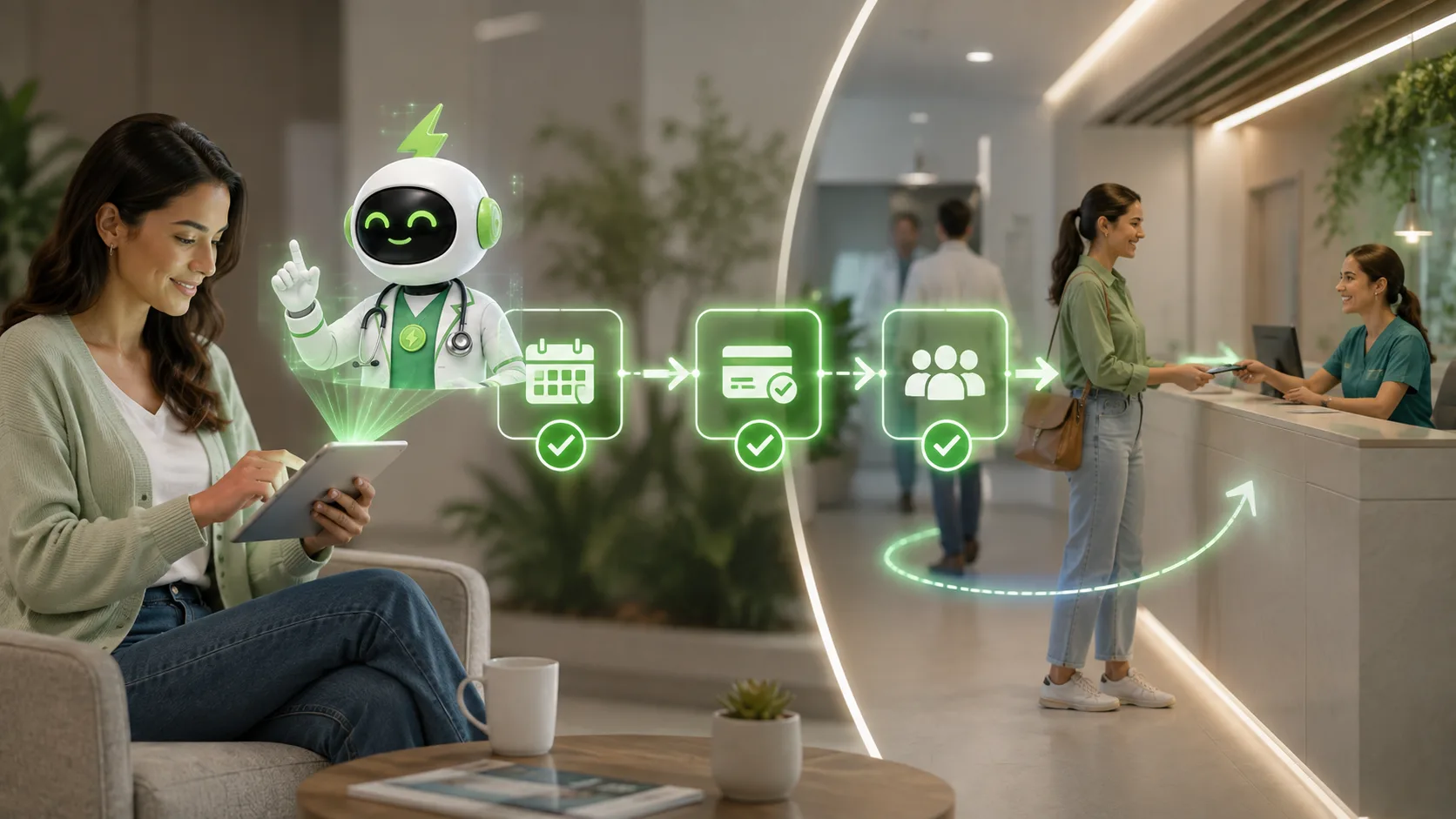
From Scheduling to Revenue: How COCO Pay Organizes Healthcare Collections
A guide for clinics and healthcare providers that want to connect scheduling, payment, confirmation, and reconciliation without adding administrative workload.
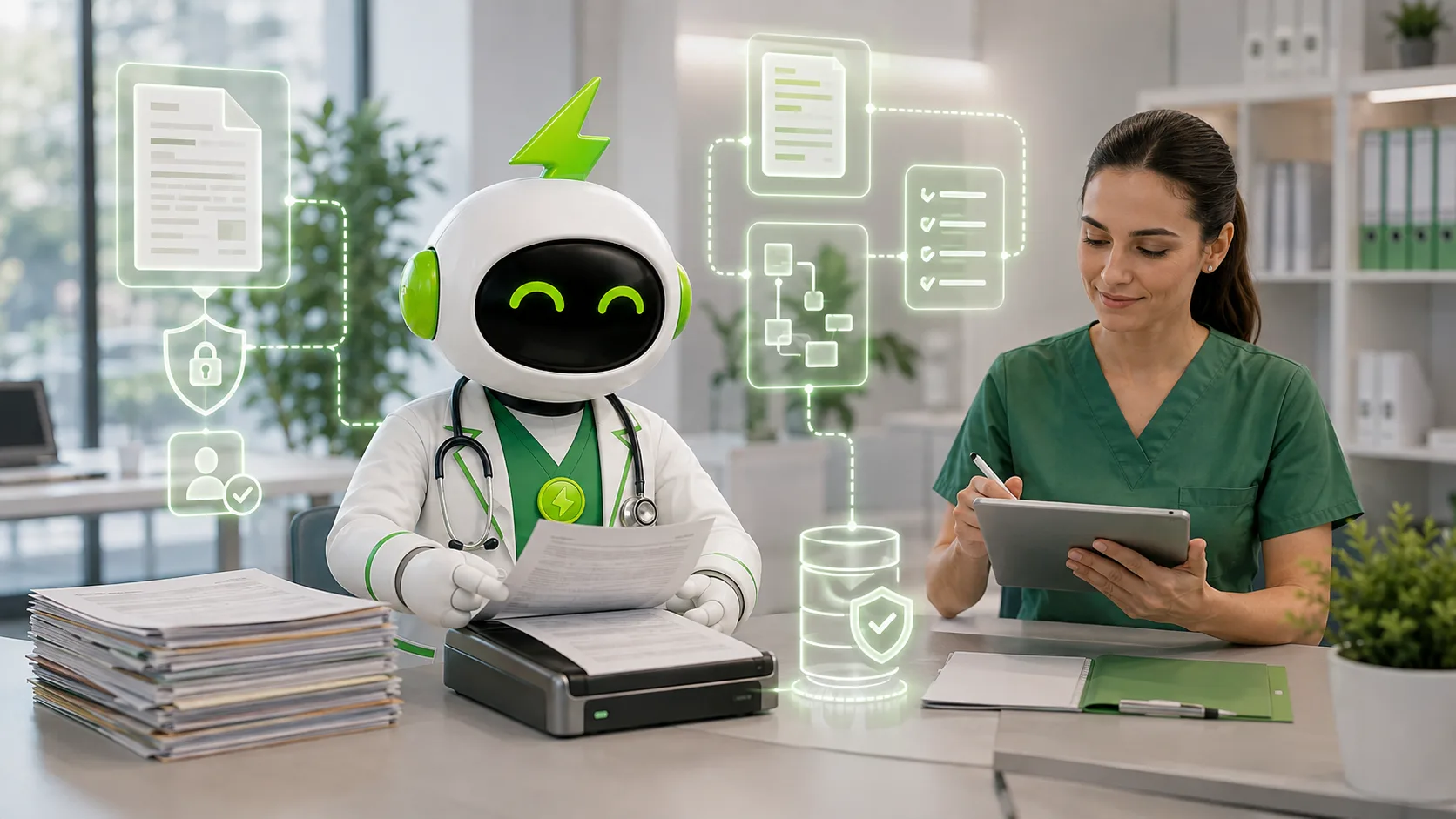
Health Data Privacy in Clinical OCR: Controls and Governance
Access rules, traceability, human review and governance: how to keep health data protected when documents pass through OCR and AI.
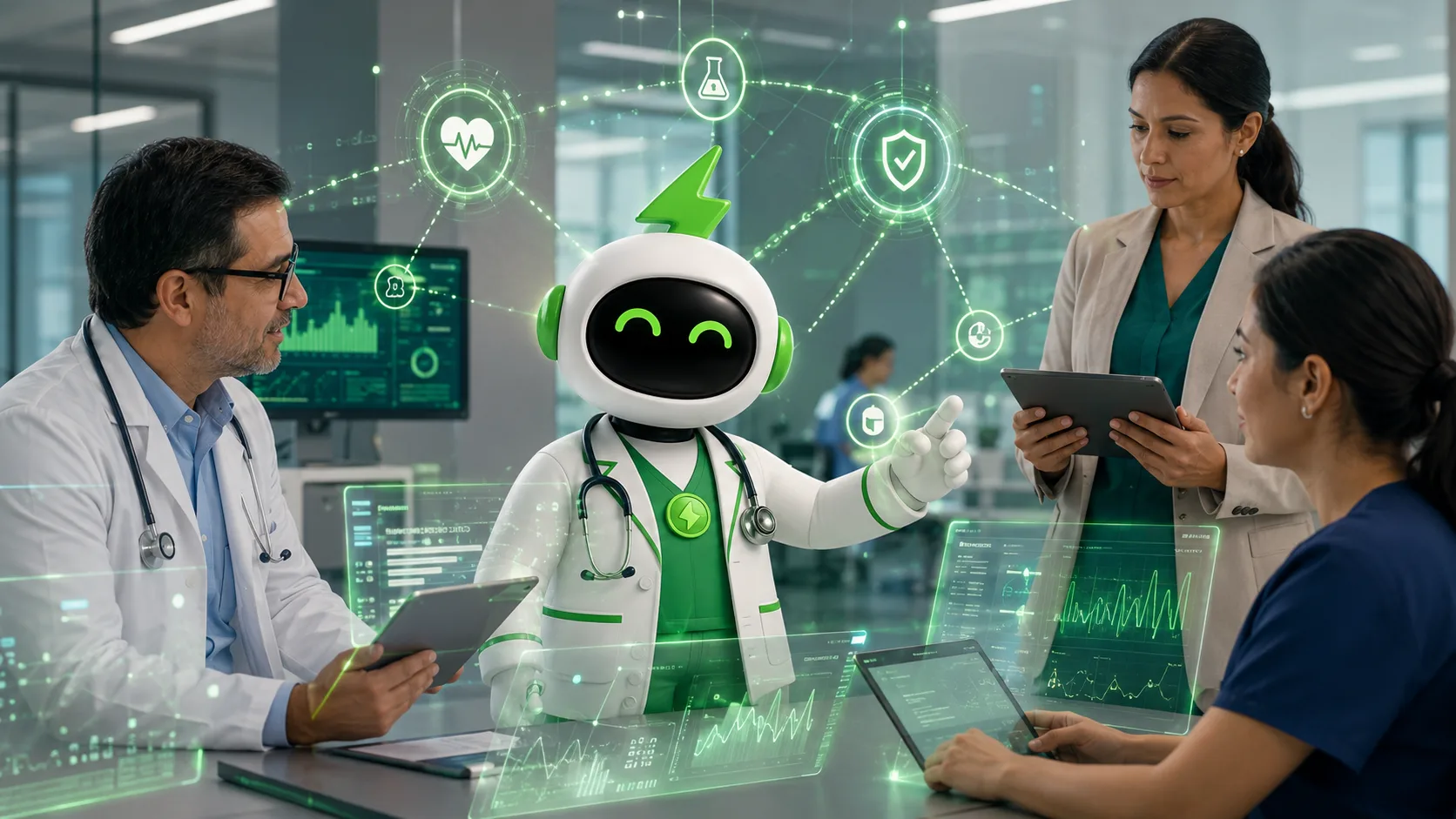
Clinical interoperability in LATAM: connecting scheduling, OCR and operations without adding friction
Interoperability is no longer just a technical project. It is an operational need. In healthcare, every minute lost between systems affects care. An unconfirmed appointment, an order waiting for manual validation or a schedule that does not update in time creates friction for patients and revenue leakage for providers.