Clinical Management in Peru 2026: Challenges That Will Transform the Sector and How to Prepa
Discover the Challenges That Will Transform Clinical Management in Peru in 2026 and How to Prepare Your Institution for the Future
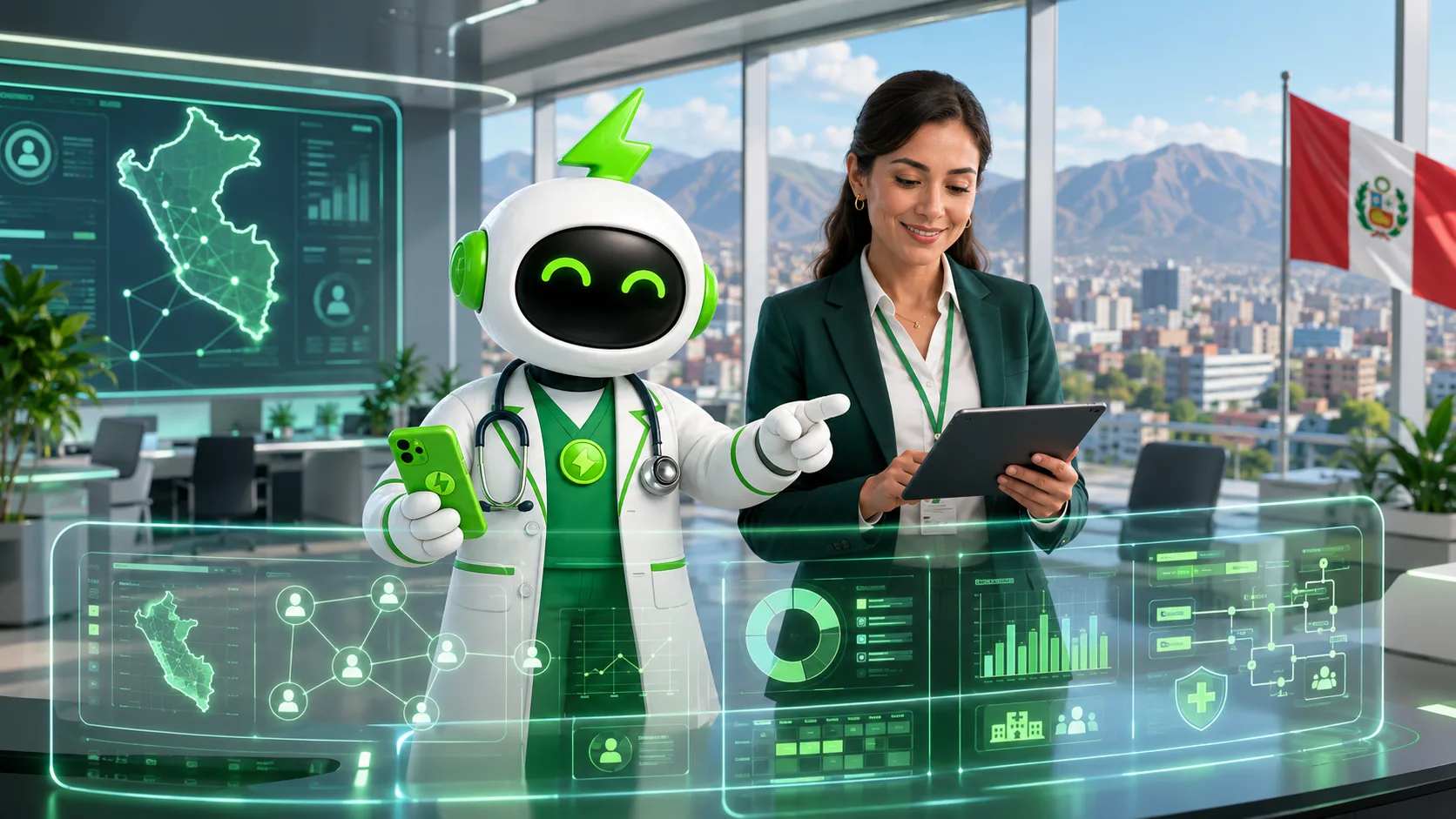
Clinical management in Peru in 2026 will face a decisive moment for the entire healthcare system. Pressure to meet growing demand, improve the patient experience, and optimize operational efficiency is forcing clinics to rethink how they operate.
Although the country has made progress in telemedicine, automation, and digital tools, a significant gap still exists between institutions with modern processes and those that continue to rely on manual, time-consuming tasks.
Looking ahead to 2026, these challenges will not only intensify but will also open major opportunities for clinics that adopt intelligent technologies. In this context, COCO Tecnologías Peru is positioning itself as a strategic partner to address the most critical challenges affecting clinical management in the country.
1. Operational overload: the biggest challenge for clinical management in Peru 2026
Schedule saturation, growing demand, and administrative overload remain critical challenges for the healthcare sector.
Many clinics still manage confirmations, reminders, and rescheduling manually, which:
-
Generates errors
-
Delays operations
-
Increases staff burnout
COCO automates these processes, freeing up hours of work and allowing medical teams to focus on what truly matters: the patient.
➡️ More information: https://peru.cocotech.ai 🔗 WHO on health system workload: https://www.who.int/teams/health-workforce
2. Missed appointments: direct impact on revenue and continuity of care
In many healthcare centers, up to one-third of appointments are lost due to ineffective communication.
Main causes include:
-
Late reminders
-
Inefficient communication channels
-
Lack of options to confirm or reschedule
COCO addresses this with automated WhatsApp workflows that send timely reminders and allow immediate confirmation or rescheduling.
➡️ Appointment automation: https://peru.cocotech.ai 🔗 No-show study (NIH): https://www.ncbi.nlm.nih.gov/pmc/articles/PMC4187098/
3. More demanding patients: self-service as a competitive advantage in 2026
Patients now expect:
-
Speed
-
Clarity
-
Simple digital experiences
A clinic without self-service capabilities loses competitiveness.
COCO enables patients to book, confirm, and access information directly from their mobile devices, creating more satisfied, loyal, and engaged patients.
🔗 Patient expectations – McKinsey: https://www.mckinsey.com/industries/healthcare/our-insights/digital-healthcare-consumer-survey
4. Data fragmentation: the silent obstacle in clinical management in Peru 2026
Many healthcare organizations operate with isolated systems that do not communicate with each other. This negatively impacts:
-
Continuity of care
-
Decision-making
-
Operational traceability
COCO integrates existing systems and centralizes operations to deliver reliable, real-time information.
➡️ Integrations: https://peru.cocotech.ai 🔗 Interoperability in healthcare (HealthIT): https://www.healthit.gov/topic/interoperability
5. Healthcare talent shortage: automation as a strategic response
Staff shortages and high turnover will continue to be major challenges in 2026. Clinics need tools that reduce administrative workload.
COCO automates repetitive tasks that consume valuable staff time, allowing teams to focus on higher-value clinical activities.
🔗 Global healthcare workforce shortage – WHO: https://www.who.int/teams/health-workforce
6. Rising operational costs: efficiency as a mandatory pillar in 2026
Operational costs continue to rise, forcing clinics to operate with:
-
Less rework
-
Better schedule utilization
-
Intelligent communication
-
Integrated digital processes
COCO’s automation reduces costs, improves attendance rates, and maximizes revenue.
➡️ Success stories: https://peru.cocotech.ai
Conclusion: clinical management in Peru 2026 marks a turning point
Institutions that modernize their operations, enhance the patient experience, and adopt intelligent technologies will be the leaders in clinical management in Peru.
COCO Tecnologías Peru supports this transformation with solutions that enable greater efficiency, agility, and closer patient relationships.
➡️ Discover how COCO transforms clinical management: https://peru.cocotech.ai
If you need this adapted into a whitepaper, landing page, LinkedIn article, or a more corporate / VC / government-ready tone, it can be refined without altering the strategic core.
What problem does Clinical Management in Peru 2026: Challenges That Will Transform the Sector and How to Prepa address?
How can it be applied in a clinic, hospital, or healthcare provider?
Which indicators should healthcare leaders track?
Do you want to optimize medical scheduling?
See how COCO helps automate access, confirm appointments, and reduce operational workload.
COCO in the press
What independent media have published on this topic.
Related articles
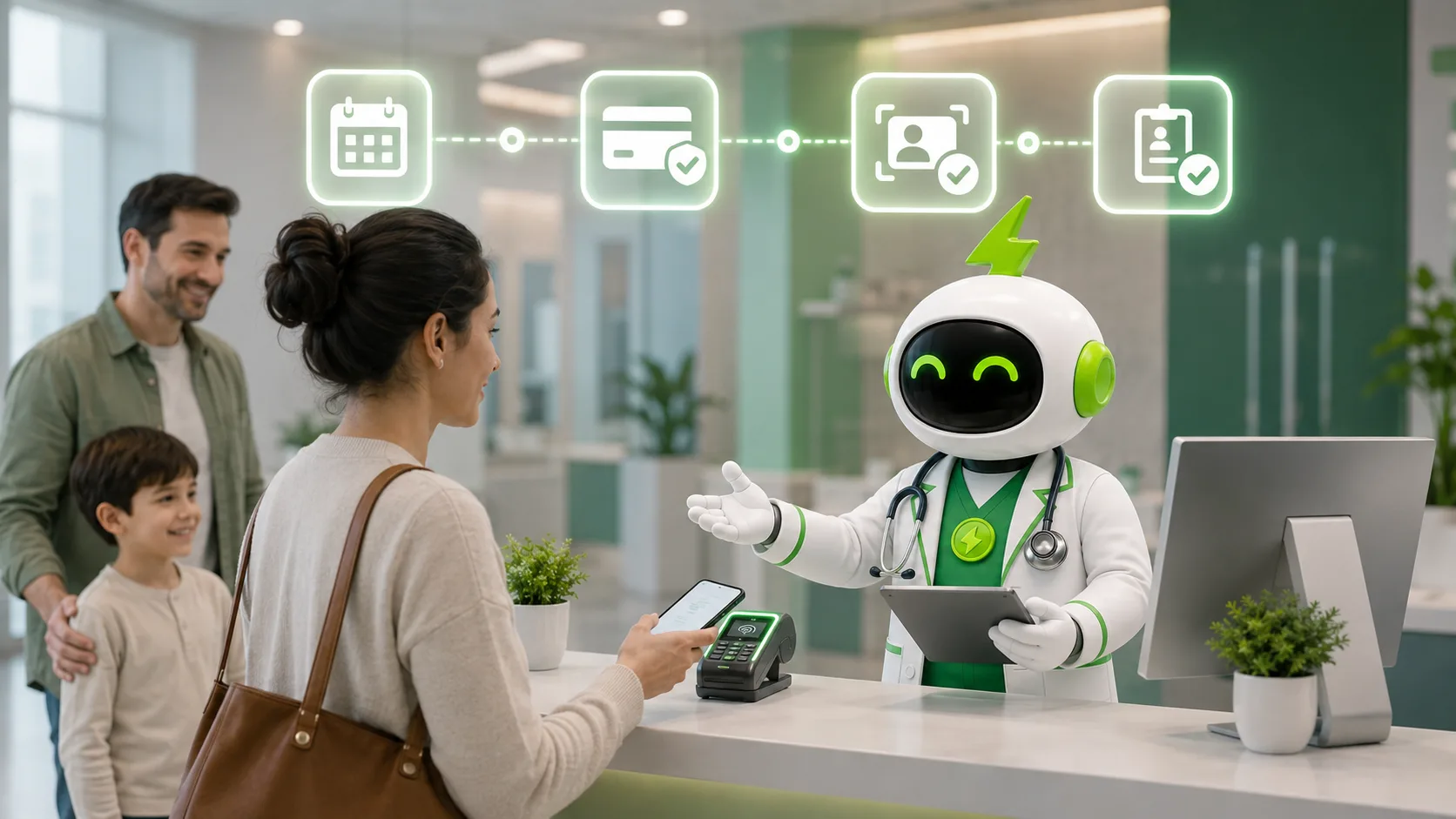
Prepayment Before the Appointment: Effect on No-Shows
Charging before the visit works as a confirmation signal: what changes in no-shows, front-desk time and patient experience.
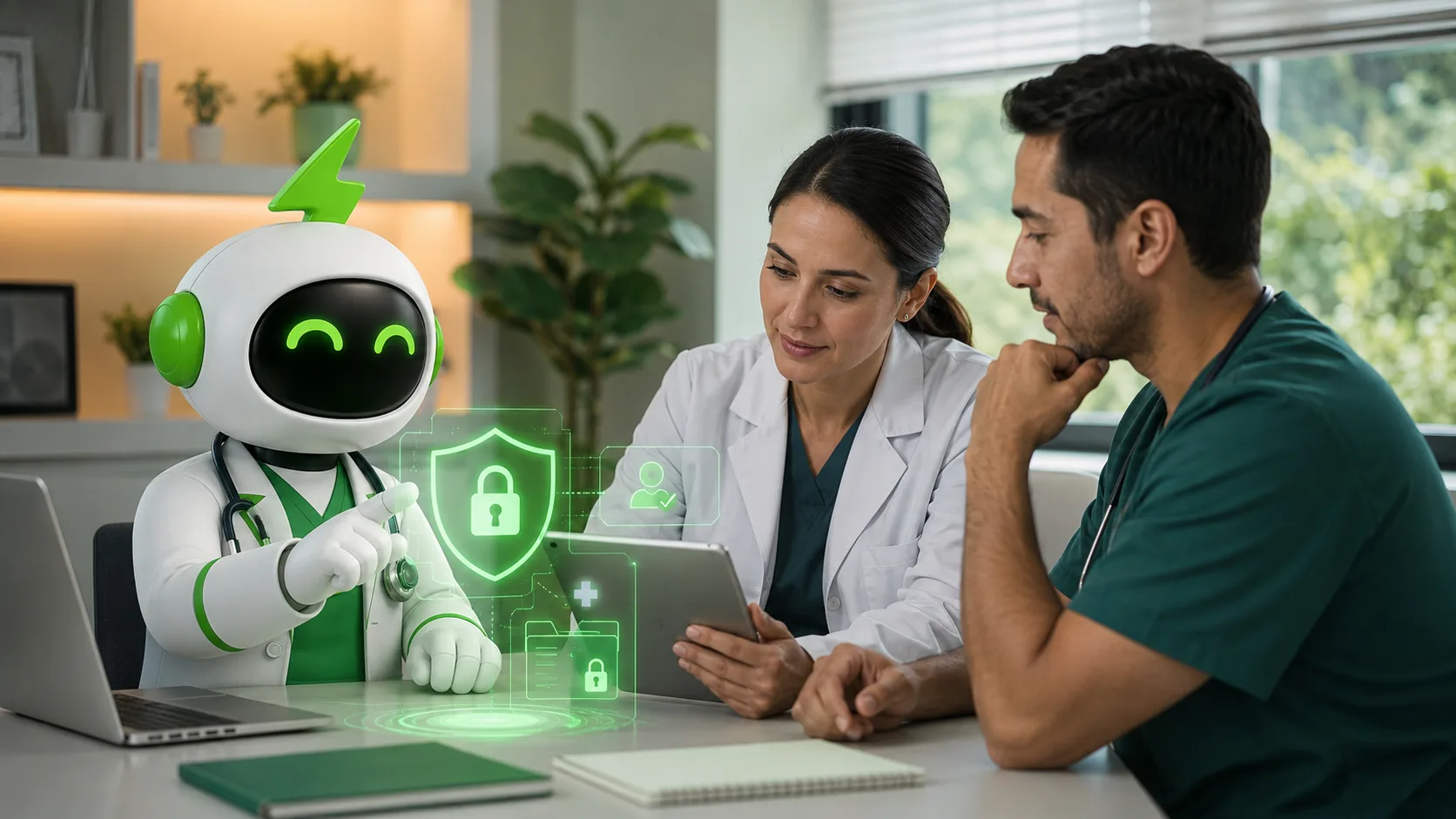
Healthcare data privacy and AI: automating without losing trust
Trust is part of the operation, healthcare automation cannot scale if patient data is not protected. A poorly segmented campaign, exposed clinical data or an integration without traceability affects more than efficiency. It affects trust.

917,000 Missed Medical Appointments in Peru: The Hidden Cost Draining Private Clinics
In Peru, over 917,000 medical appointments are lost every year, none reassigned. Learn how much no show rates are costing your institution and how AI can recover those revenues.