Strategic AI Workshop: The Results That Surprised Healthcare Leaders
Discover how AI is revolutionizing healthcare through surprising workshop results that are transforming hospital management and patient care
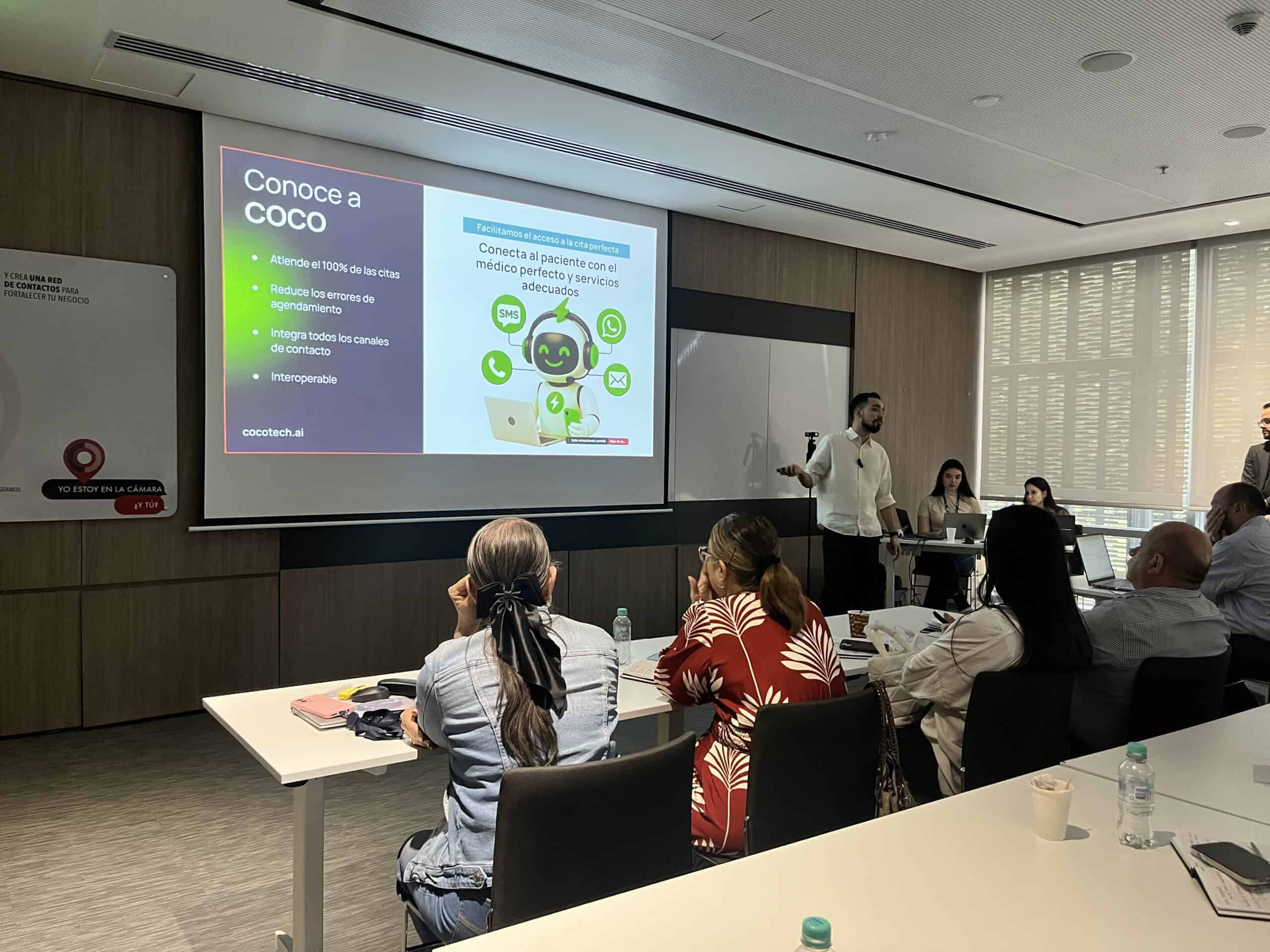
Every day, more healthcare institutions experiment with artificial intelligence (AI) tools. However, most professionals still use them superficially, for writing texts, searching for information, or generating automated reports, without creating real impact on institutional management.
Only a small percentage are leveraging AI strategically to reduce costs, improve decision-making, and optimize clinical and administrative outcomes.
In this context, COCO Tecnologías promotes a practical and results-driven approach to AI adoption in healthcare.
👉 Learn more about COCO’s healthcare solutions:
https://cocotech.ai/en/
A space where AI moves from theory to real results
The Strategic AI Workshop for Healthcare Leaders, organized by COCO Tecnologías together with CREA by i365, was designed to close this gap, showing executives how to move from basic AI usage to real strategic impact across their organizations.
During the sessions, participants, including executives, managers, and clinical leaders, learned how to use artificial intelligence as a decision-making and management tool, not just a technological curiosity.
What happened during the workshop?
In four hours of hands-on learning, attendees explored how to:
-
Analyze and synthesize clinical and operational information using AI assistants
-
Design executive dashboards to visualize key performance indicators
-
Optimize administrative processes through applied AI
-
Make faster, data-driven decisions
-
Build an institutional roadmap for digital and AI-driven transformation
As one facilitator summarized it:
“Healthcare leaders are often using AI in a very superficial way. In this workshop, they learned how to apply it strategically, reducing costs and making better decisions.”
Real results for leaders seeking impact
The workshop followed a 100% practical, results-oriented approach. Participants didn’t just understand AI’s potential, they left with tools they could apply immediately.
Key outcomes included:
-
Increased productivity through automation of repetitive tasks
-
Improved decision-making powered by AI-driven data analysis
-
Financial optimization by identifying inefficiencies
-
A strategic vision for using AI as a leadership tool
-
Access to a collaborative innovation network with CREA by i365
From basic AI use to digital leadership
The Strategic AI Workshop clearly distinguished between those who simply experiment with AI and those who lead with it.
While many organizations remain in the exploration phase, participating leaders are already implementing real AI-driven solutions to improve care quality and operational efficiency.
In healthcare environments, where every second and every decision matters, using AI strategically is not a trend; it is a competitive advantage.
Conclusion
The Strategic AI Workshop for Healthcare Leaders demonstrated that artificial intelligence can become a powerful tool for leadership, efficiency, and transformation when applied with an institutional vision.
Moving beyond superficial AI use and embracing strategic AI in healthcare is what separates organizations that merely adopt technology from those that truly transform the healthcare system.
➡️ Discover how COCO supports strategic AI adoption in healthcare:
https://cocotech.ai/en/
What problem does Strategic AI Workshop: The Results That Surprised Healthcare Leaders address?
How can it be applied in a clinic, hospital, or healthcare provider?
Which indicators should healthcare leaders track?
Do you want to optimize medical scheduling?
See how COCO helps automate access, confirm appointments, and reduce operational workload.
COCO in the press
What independent media have published on this topic.
Related articles
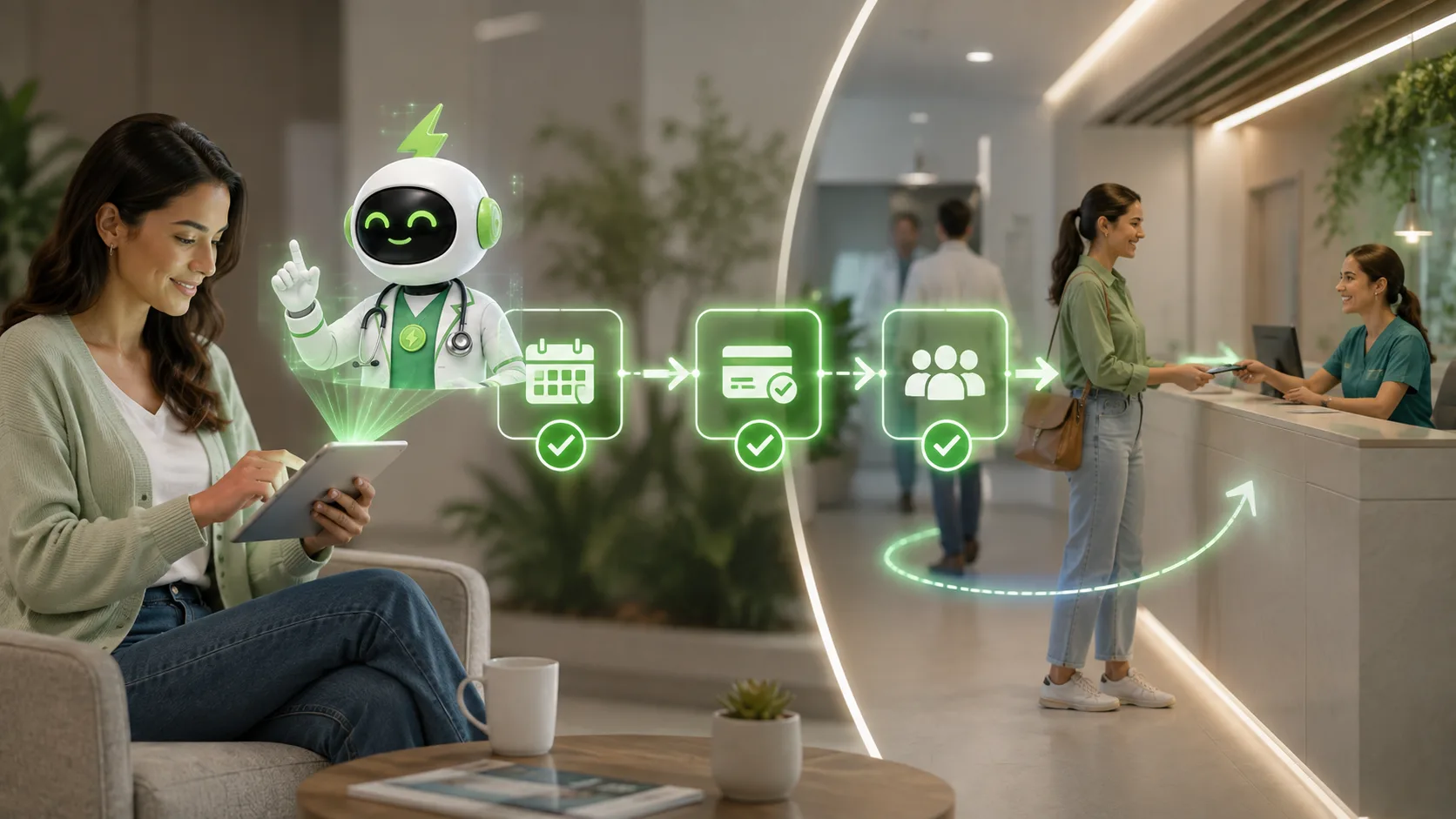
From Scheduling to Revenue: How COCO Pay Organizes Healthcare Collections
A guide for clinics and healthcare providers that want to connect scheduling, payment, confirmation, and reconciliation without adding administrative workload.
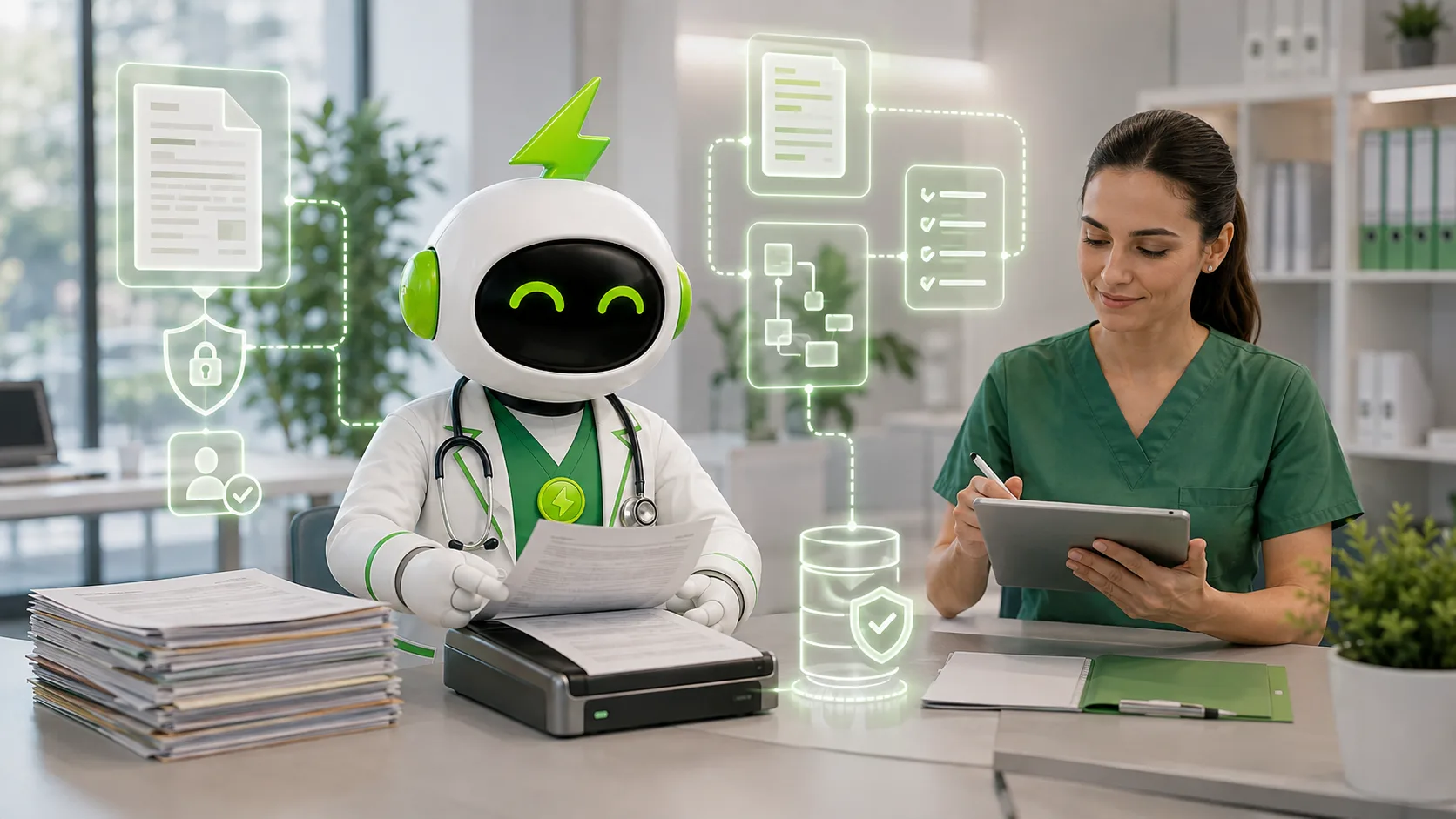
Health Data Privacy in Clinical OCR: Controls and Governance
Access rules, traceability, human review and governance: how to keep health data protected when documents pass through OCR and AI.
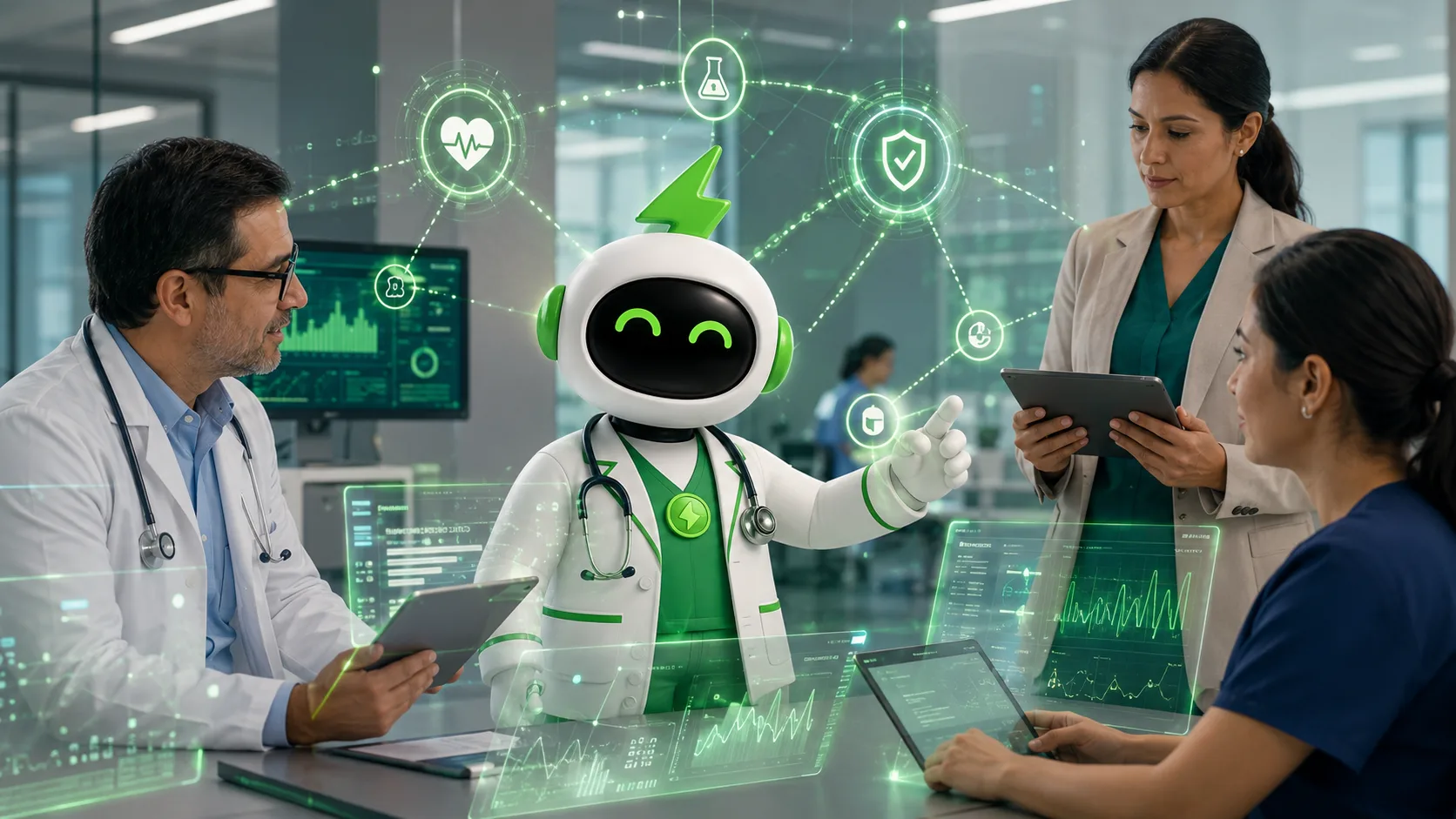
Clinical interoperability in LATAM: connecting scheduling, OCR and operations without adding friction
Interoperability is no longer just a technical project. It is an operational need. In healthcare, every minute lost between systems affects care. An unconfirmed appointment, an order waiting for manual validation or a schedule that does not update in time creates friction for patients and revenue leakage for providers.