Patient Experience as a Competitive Advantage: Why Technology Is No Longer Optional in Healthcare
Transforming patient experience through technology is key to staying ahead in healthcare, driving loyalty and revenue growth
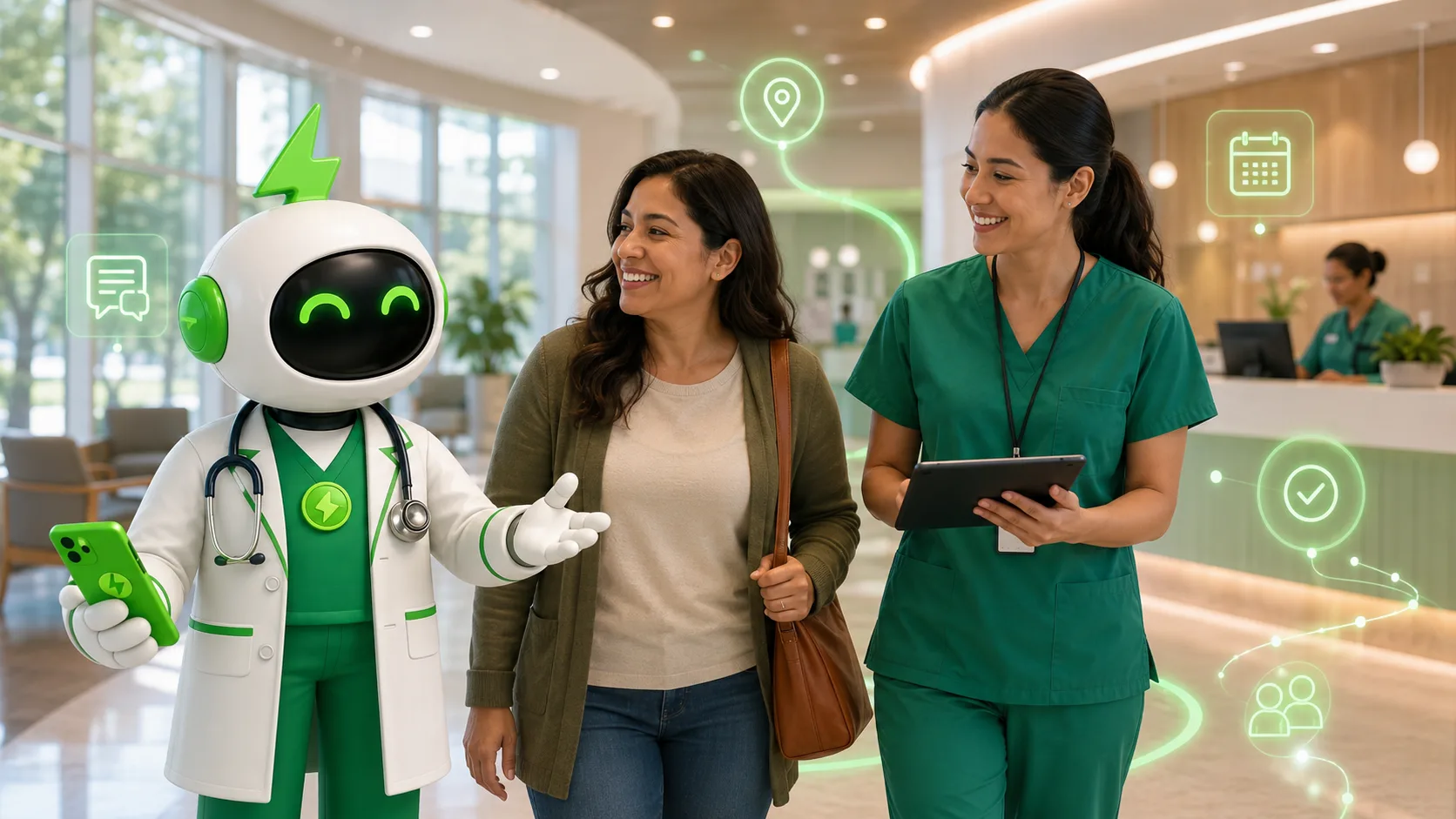
For many years, healthcare quality was measured almost exclusively by clinical outcomes. Today, that is no longer enough.
Patient experience has become a decisive factor for the sustainability of hospitals and clinics, directly influencing reputation, patient loyalty, and operational efficiency.
In this new landscape, technology has moved beyond a support role and has become a strategic enabler of healthcare digital transformation.
👉 https://cocotech.ai/en/blog/digital-transformation-in-healthcare
Changing expectations of the modern patient
Patients no longer compare their healthcare experience only with other medical institutions. They compare it with:
-
Digital banks
-
E-commerce platforms
-
On-demand services
They expect fast responses, simple processes, and clear communication.
When these expectations are not met, frustration directly impacts service perception and key indicators such as waiting times, one of the most persistent challenges in healthcare systems.
👉 https://cocotech.ai/en/blog/reducing-wait-times-in-healthcare
Where does the patient experience break down?
In practice, the main friction points usually appear in daily operations:
-
Difficulty scheduling, confirming, or rescheduling appointments
-
Lack of clear information before and after care
-
Overloaded communication channels
-
Repetitive and bureaucratic processes
-
Poor coordination between internal teams
These issues are rarely clinical.
They are operational and technological, and are directly tied to clinical management models that fail to evolve at the pace of modern healthcare.
👉 https://cocotech.ai/en/blog/clinical-management-peru-2026-challenges
Technology as the foundation of experience, not an accessory
Implementing technology does not mean filling a clinic with software.
It means designing patient-centered processes, supported by digital tools that remove friction and improve decision-making.
This includes capabilities such as:
-
Patient self-service
-
Consistent omnichannel communication
-
Automation of repetitive tasks
-
System integration
-
Real-time operational visibility
When these capabilities align, healthcare organizations move toward a truly intelligent care model, often reinforced by strategic AI initiatives at the leadership level.
👉 https://cocotech.ai/en/blog/strategic-ai-workshop-healthcare-leaders
Direct impact on institutional results
Improving patient experience is not a “soft” objective.
It delivers measurable and sustainable results:
-
Higher adherence to appointments and treatments
-
Fewer complaints and rework
-
More efficient use of operational staff
-
Increased trust and institutional reputation
-
Greater financial sustainability
It is no coincidence that these transformations are consistently discussed in the forums shaping the future of healthcare, including healthcare innovation summits.
👉 https://cocotech.ai/en/blog/coco-drives-digital-transformation-in-healthcare-innovation-and-the-medellin-health-city-summit-2025
The role of leadership in patient experience
Transforming patient experience does not start with technology, it starts with leadership decisions.
When executives recognize patient experience as a strategic priority, technology stops being seen as an expense and becomes a long-term investment.
This mindset shift is one of the clearest differentiators between organizations that merely survive and those that lead the new era of digital healthcare.
Conclusion
Patient experience is no longer an optional differentiator.
It is a minimum requirement to compete in modern healthcare.
Organizations that understand this shift and use technology as a strategic enabler will not only deliver better care, they will build more human, efficient, and sustainable relationships with their patients.
What problem does Patient Experience as a Competitive Advantage: Why Technology Is No Longer Optional in Healthcare address?
How can it be applied in a clinic, hospital, or healthcare provider?
Which indicators should healthcare leaders track?
Do you want to improve patient flow?
See how COCO organizes queues, capacity, and care to reduce unnecessary waiting.
COCO in the press
What independent media have published on this topic.
Related articles
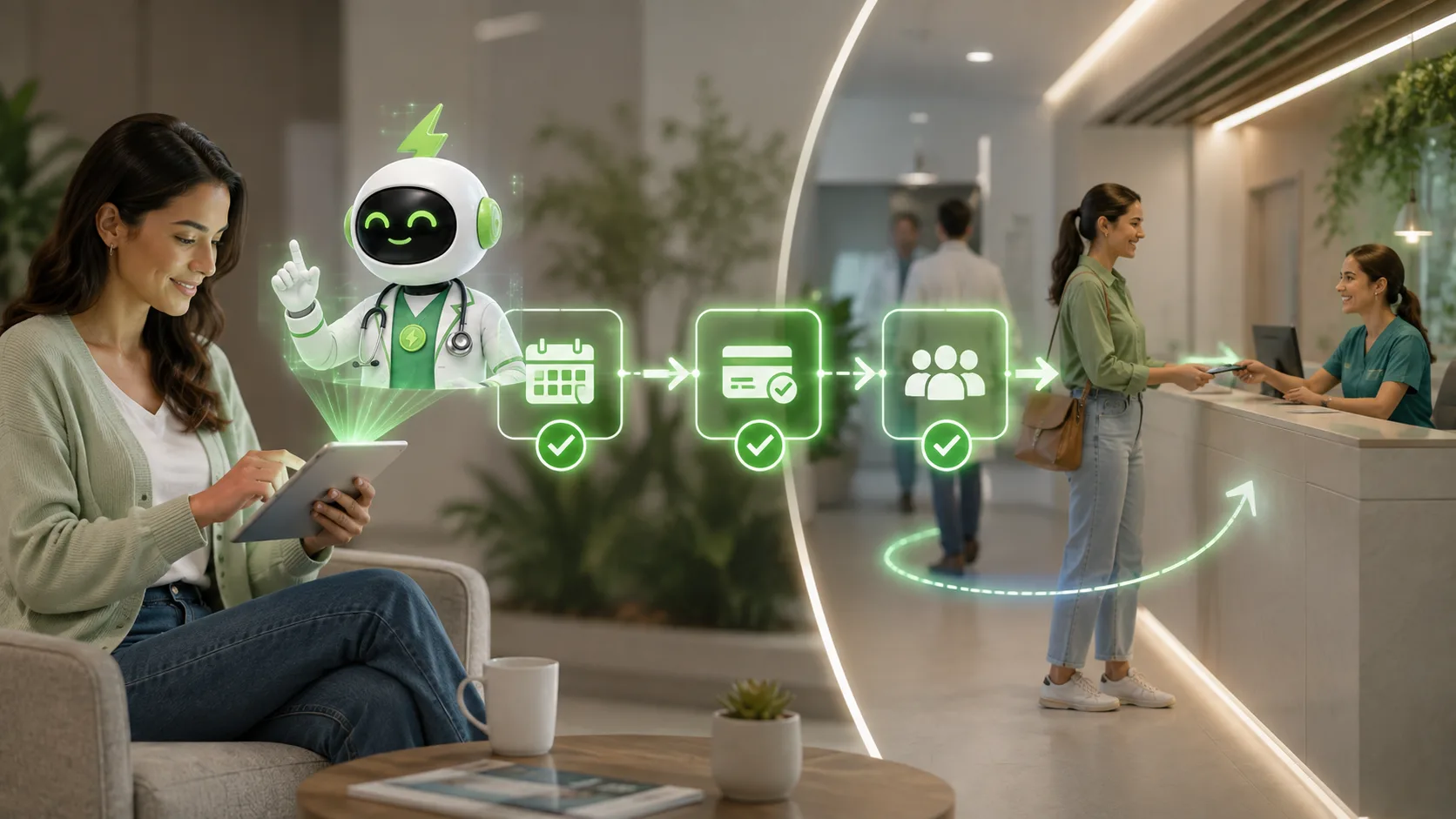
From Scheduling to Revenue: How COCO Pay Organizes Healthcare Collections
A guide for clinics and healthcare providers that want to connect scheduling, payment, confirmation, and reconciliation without adding administrative workload.
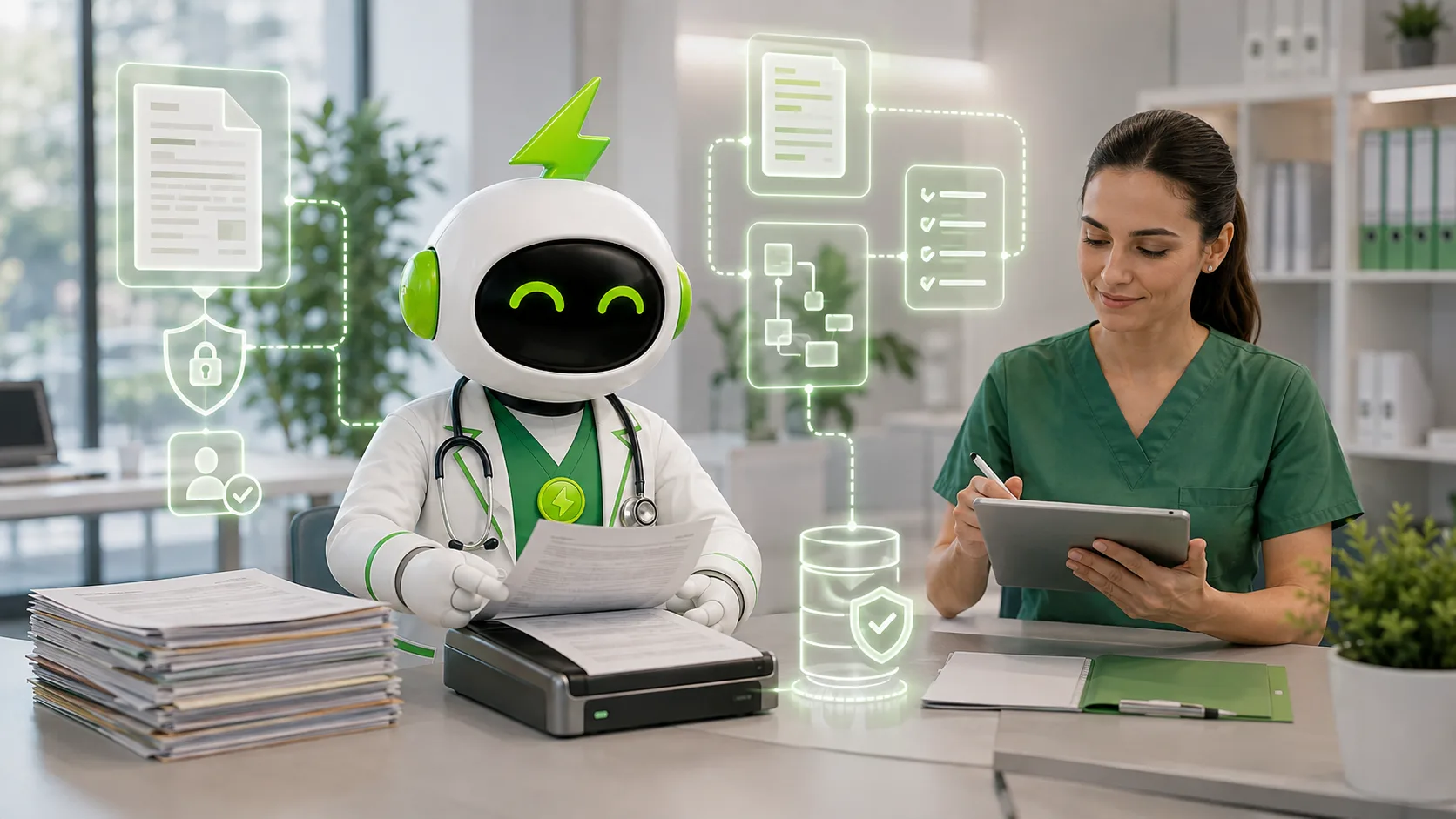
Health Data Privacy in Clinical OCR: Controls and Governance
Access rules, traceability, human review and governance: how to keep health data protected when documents pass through OCR and AI.
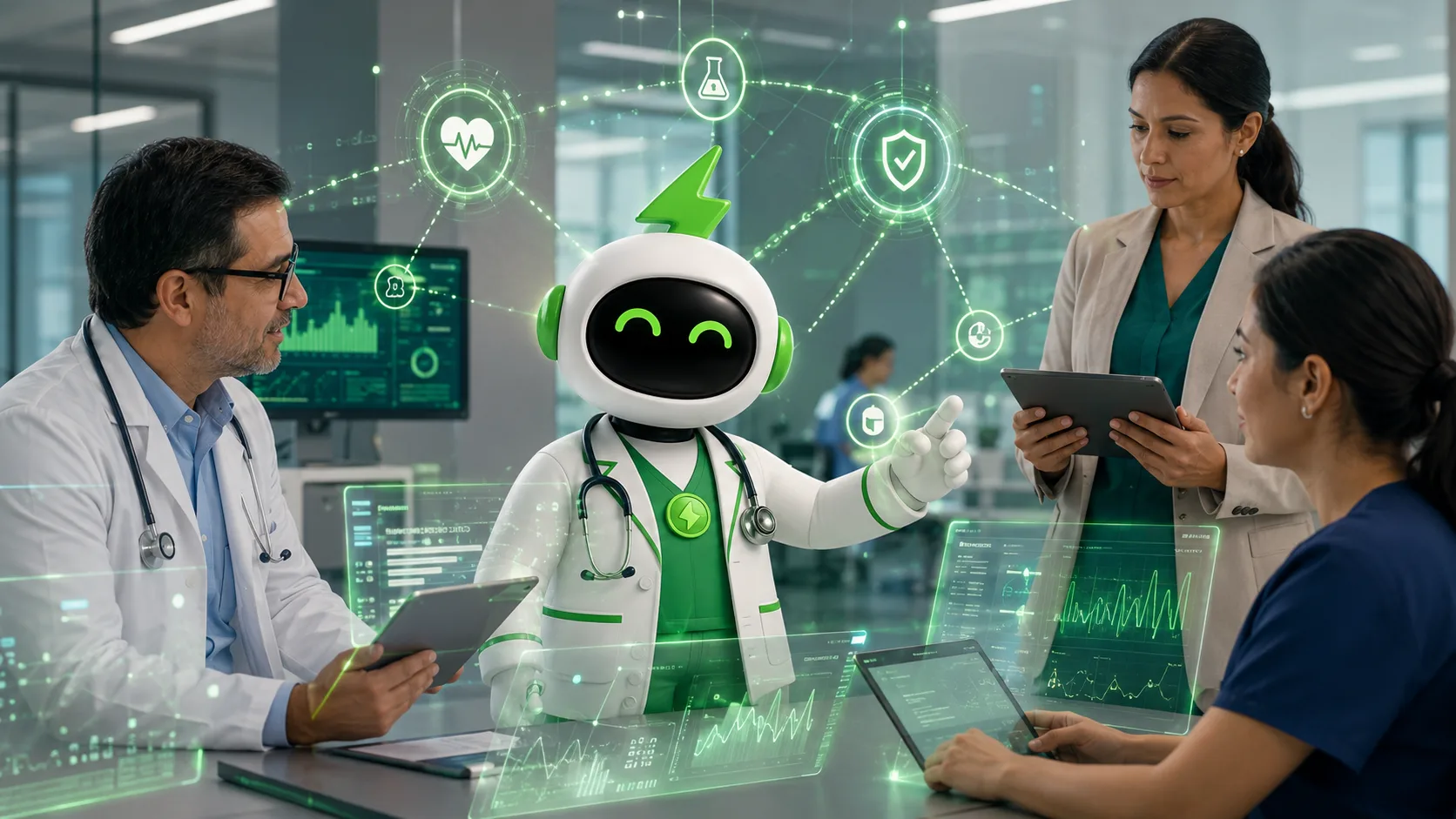
Clinical interoperability in LATAM: connecting scheduling, OCR and operations without adding friction
Interoperability is no longer just a technical project. It is an operational need. In healthcare, every minute lost between systems affects care. An unconfirmed appointment, an order waiting for manual validation or a schedule that does not update in time creates friction for patients and revenue leakage for providers.