Cybersecurity in Healthcare: Why Protecting Clinical Data Is Now a Strategic Priority (Not Just a Technical One)
Protecting clinical data is crucial for patient care and trust, learn how cybersecurity is evolving into a strategic priority in healthcare
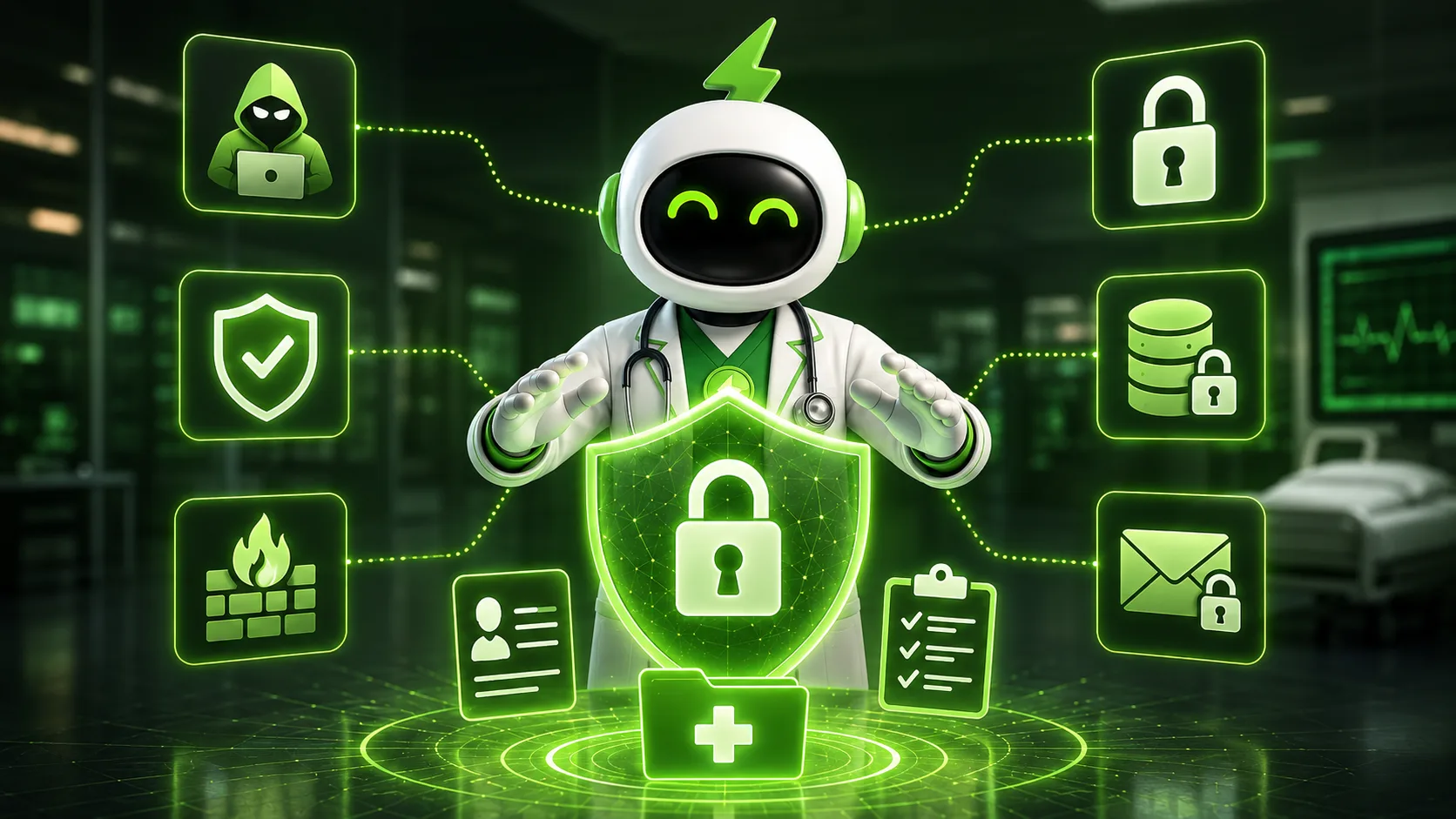
Healthcare digitalization has brought major advances: greater efficiency, automation, remote access, and better patient experiences. However, that progress has also opened a critical door: the growing exposure of sensitive data.
Today, healthcare cybersecurity is no longer an IT-only topic. It is a leadership issue, directly tied to reputation, service continuity, and institutional trust.
In an environment where clinical systems increasingly depend on digital platforms, protecting information is no longer optional. It is operational survival. This is closely connected to the path many organizations are taking toward real healthcare digital transformation.
👉 https://cocotech.ai/en/blog/digital-transformation-in-healthcare
Why is the healthcare sector such an attractive target?
Clinical data has enormous value, much more than an email address or a leaked password.
A healthcare record may include:
-
Patient personal identification
-
Medical history and diagnoses
-
Medication and procedures
-
Laboratory results
-
Insurance-related information
-
Linked financial data
This type of information is not only sensitive, it is irreplaceable. And because of that, it becomes a high-value target for cyberattacks, fraud, and extortion.
The risk is not just “we got hacked”
When a breach happens in healthcare, the consequences are often more severe than in other industries.
It’s not only about losing information, patient care can be disrupted.
A cybersecurity incident can lead to:
-
Appointment scheduling and service disruption
-
Loss of access to clinical systems
-
Delays in procedures
-
Operational risk in emergency services
-
Immediate reputational damage
-
Legal penalties related to data protection
In healthcare, a technological failure can become a human failure, especially when existing structural issues already impact care delivery and any disruption makes them worse.
👉 https://cocotech.ai/en/blog/reducing-wait-times-in-healthcare
The most common vulnerabilities in healthcare organizations
Many organizations don’t fail because they lack technology. They fail because they lack strategy.
The most frequent weaknesses include:
-
Weak or repeated passwords
-
Access without defined roles (everyone can see everything)
-
Unencrypted stored data
-
Improvised system integrations
-
Lack of monitoring and auditing
-
Operational teams without basic security training
-
Full dependence on third parties without internal control
This kind of fragility often appears in organizations that expand digitalization without strengthening clinical and operational management, an issue already visible in complex healthcare environments.
👉 https://cocotech.ai/en/blog/clinical-management-peru-2026-challenges
Clinical safety ≠ digital security (but they are connected)
When we think about patient safety, we think about medical protocols.
But today, there is another form of silent safety: digital security.
For example:
-
Incorrect data entry can cause a care delivery error
-
A system outage can block entire schedules
-
Unauthorized access can expose sensitive information
-
Unvalidated workflows can disrupt critical processes
Digital security becomes part of clinical quality.
This leadership perspective is essential when discussing how technology must be applied with strategic vision, not only operational execution.
👉 https://cocotech.ai/en/blog/strategic-ai-workshop-healthcare-leaders
What should a modern healthcare cybersecurity strategy include?
A strong strategy is not “buying a tool.”
It’s building a model of control, prevention, and resilience.
Key pillars typically include:
✅ Role-based access control
Each user should only see and do what is necessary.
✅ Auditability and traceability
Knowing who accessed what, when, and from where.
✅ Encryption in transit and at rest
Protection even if someone gains unauthorized access.
✅ Real backups and contingency planning
Having copies is not enough, they must be recoverable fast.
✅ Continuous monitoring and anomaly detection
Identifying suspicious behavior before a major incident occurs.
✅ Human team training
In many cases, the weakest link is the user, not the system.
Security as a competitive advantage
Cybersecurity is not only about prevention. It can also become a differentiator.
An organization that protects its information can:
-
Build stronger patient trust
-
Improve internal control and workflows
-
Ensure operational continuity
-
Reduce legal and compliance risks
-
Strengthen reputation and institutional credibility
This level of technological maturity is quickly becoming a priority in the forums shaping the future of healthcare.
👉 https://cocotech.ai/en/blog/coco-drives-digital-transformation-in-healthcare-innovation-and-the-medellin-health-city-summit-2025
Conclusion
Healthcare digital transformation is inevitable.
But without a serious protection strategy, growth becomes fragile.
Protecting clinical data is no longer a “technical issue.”
It is a strategic priority that defines which organizations will scale sustainably, and which ones will be exposed at the most critical moment.
In healthcare, technology must do more than function.
It must be trustworthy.
What problem does Cybersecurity in Healthcare: Why Protecting Clinical Data Is Now a Strategic Priority (Not Just a Technical One) address?
How can it be applied in a clinic, hospital, or healthcare provider?
Which indicators should healthcare leaders track?
Do you want to optimize medical scheduling?
See how COCO helps automate access, confirm appointments, and reduce operational workload.
COCO in the press
What independent media have published on this topic.
Related articles
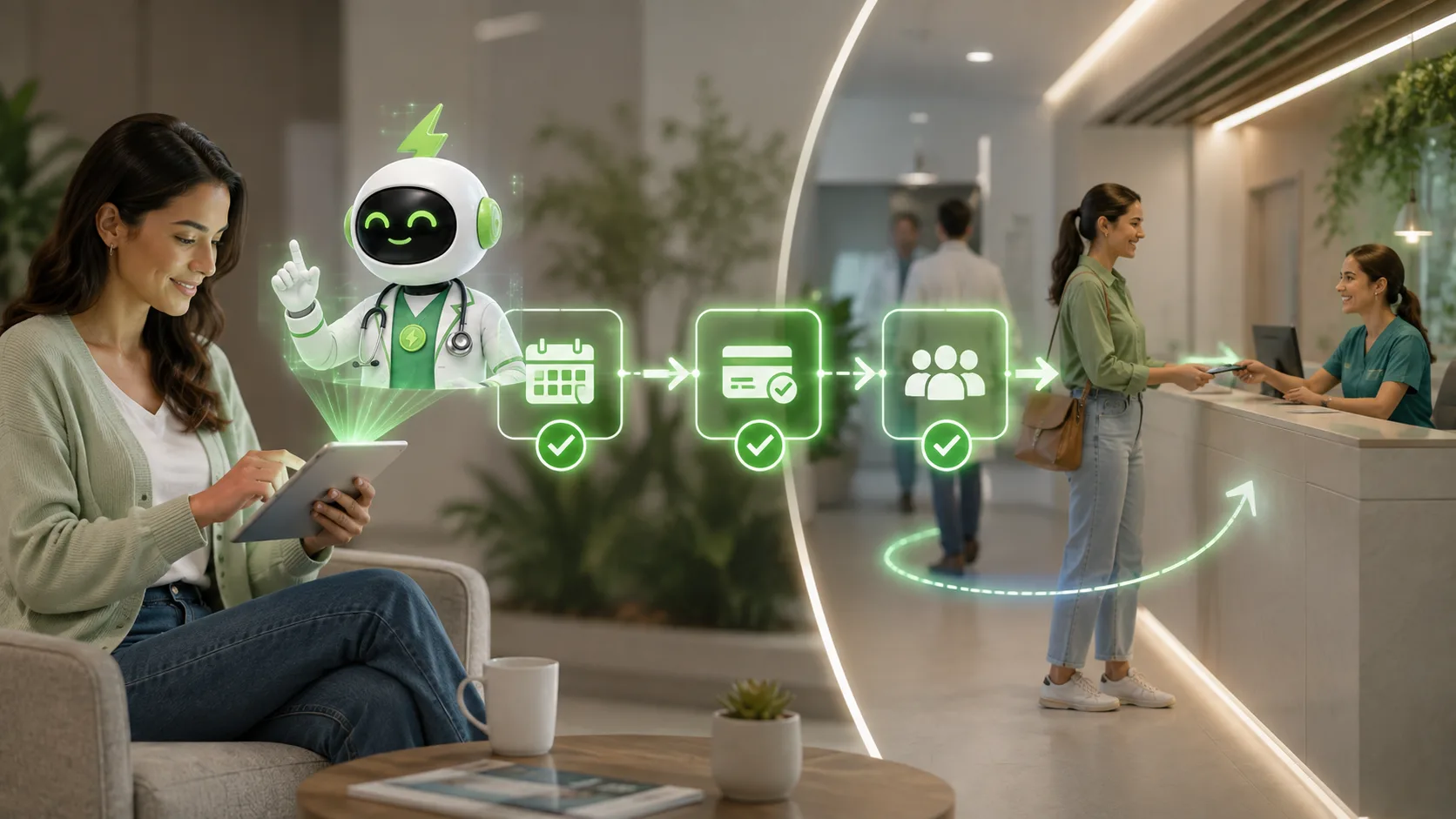
From Scheduling to Revenue: How COCO Pay Organizes Healthcare Collections
A guide for clinics and healthcare providers that want to connect scheduling, payment, confirmation, and reconciliation without adding administrative workload.
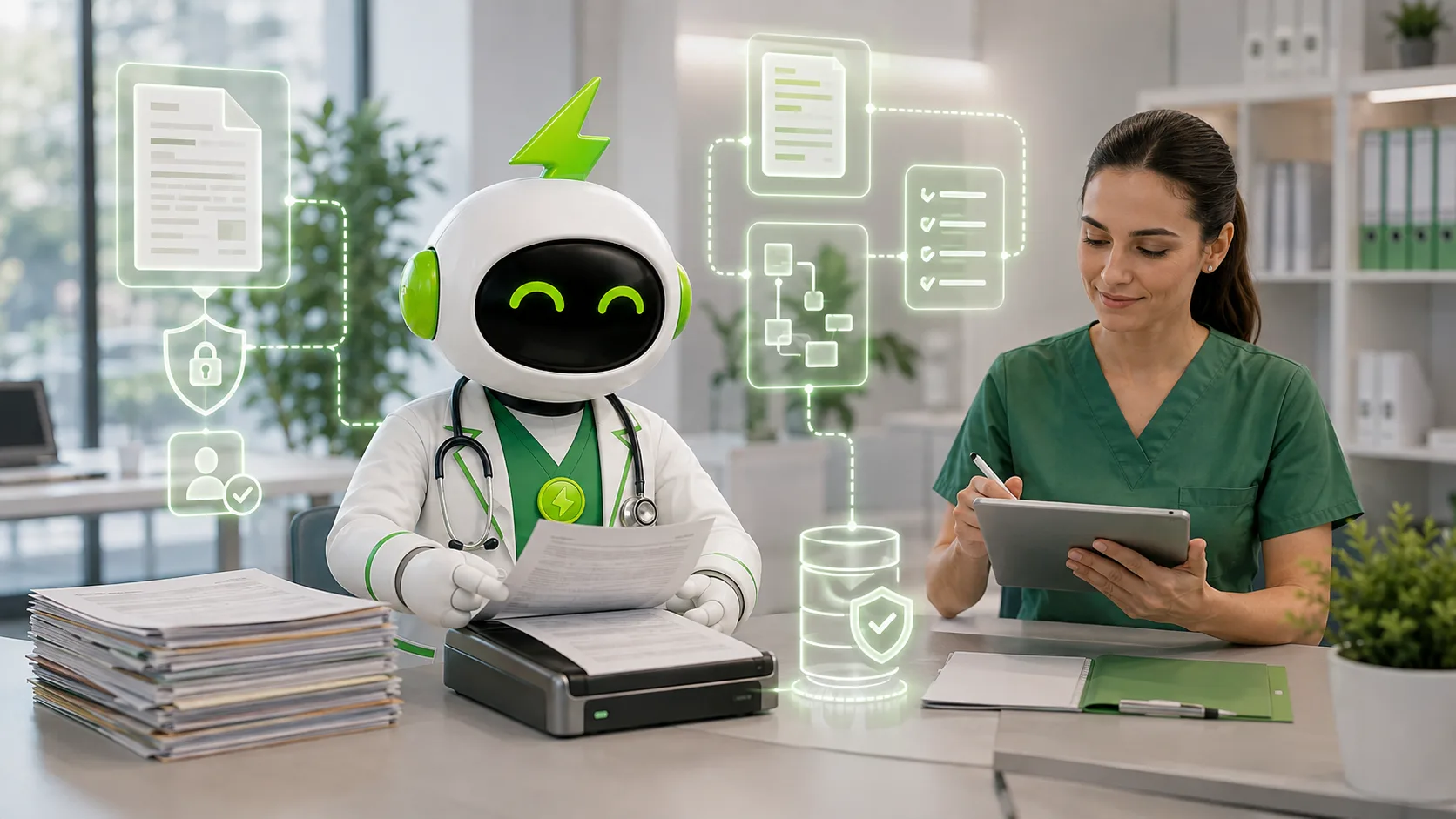
Health Data Privacy in Clinical OCR: Controls and Governance
Access rules, traceability, human review and governance: how to keep health data protected when documents pass through OCR and AI.
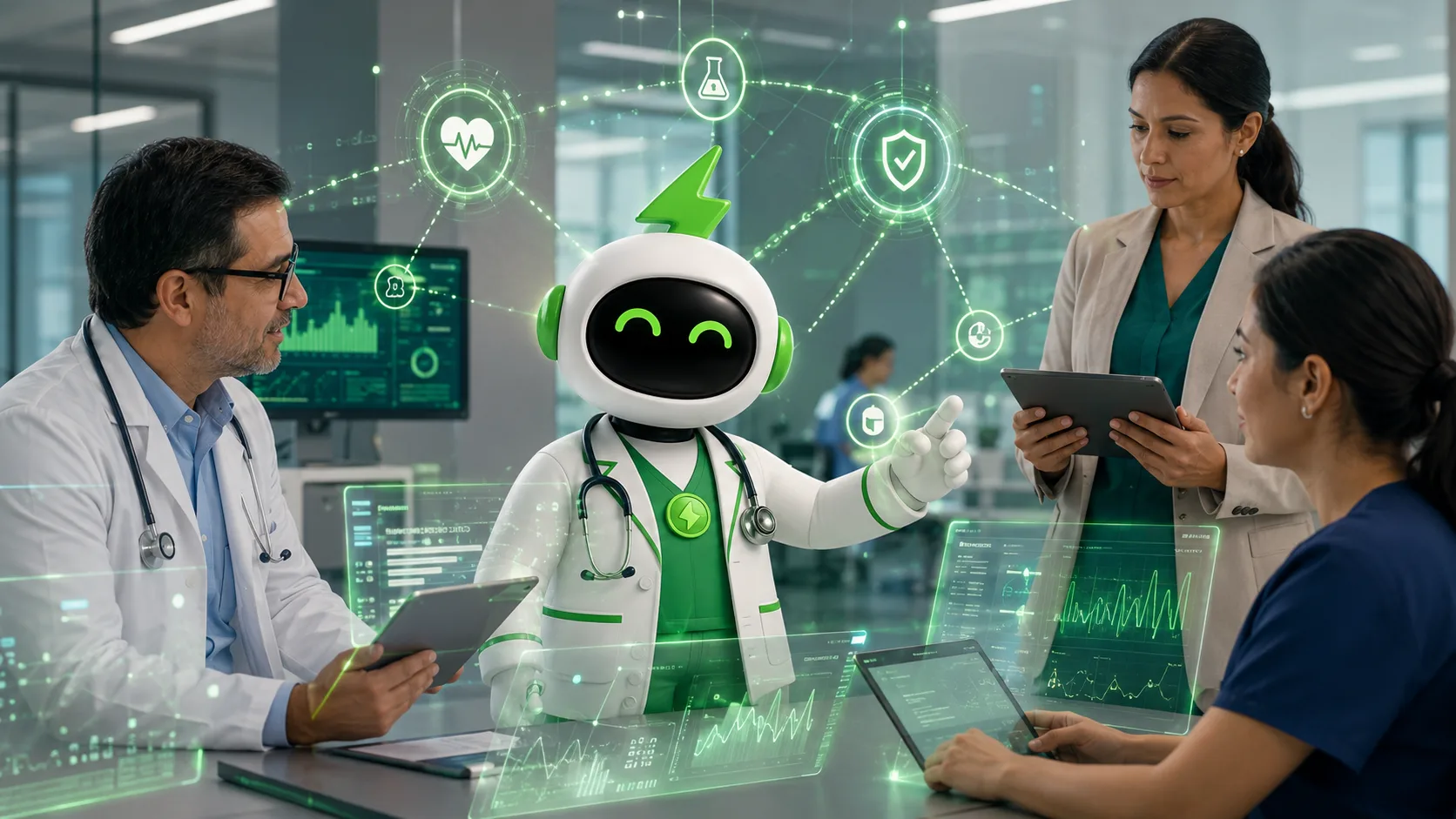
Clinical interoperability in LATAM: connecting scheduling, OCR and operations without adding friction
Interoperability is no longer just a technical project. It is an operational need. In healthcare, every minute lost between systems affects care. An unconfirmed appointment, an order waiting for manual validation or a schedule that does not update in time creates friction for patients and revenue leakage for providers.