FHIR and HL7 Interoperability in Colombia: A Practical Guide for Clinics
How to prepare data, processes and teams to connect electronic records, scheduling and operations through interoperability standards.
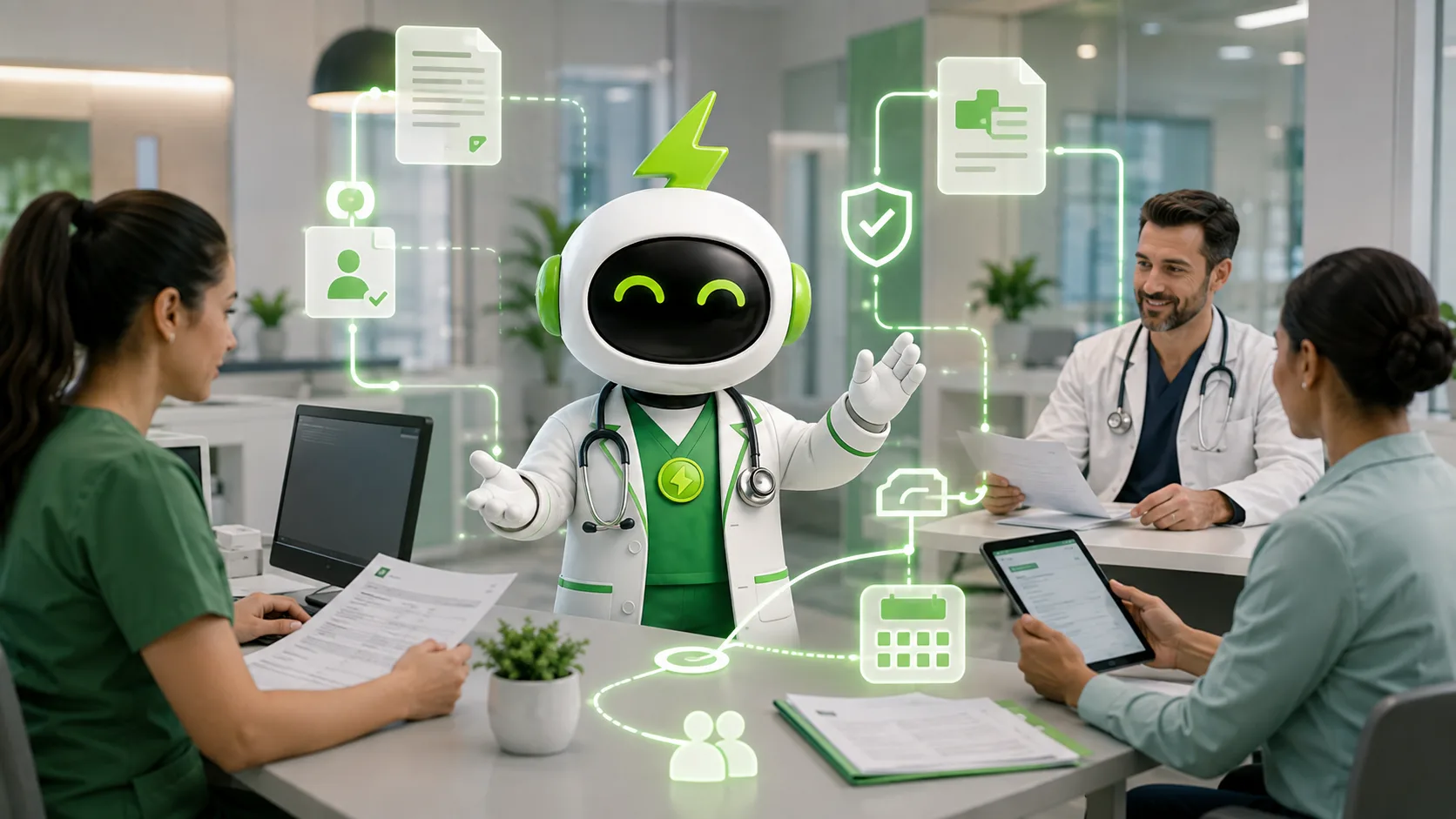
FHIR and HL7 interoperability allows healthcare systems to exchange information through a structure that can be understood and traced. For a Colombian clinic, this is not only an API project: it requires organized data, clear ownership and connections between information and real care or operating decisions.
The HL7 FHIR standard provides resources for exchanging healthcare information electronically. In Colombia, the Ministry of Health’s Electronic Health Record Interoperability initiative places secure information exchange within the continuity of care agenda.
What HL7 and FHIR mean
HL7 is a family of standards for healthcare information exchange. FHIR is a modern approach that organizes data into resources and web services, making it easier for different applications to query, validate and share information through explicit rules.
- FHIR structures resources such as Patient, Appointment, Encounter, Observation and DocumentReference.
- APIs can exchange information without relying on manual exports.
- Profiles and implementation guides adapt the standard to each system’s context.
- Interoperability also requires identity, consent, security and traceability.
Why a clinic should prepare
When scheduling, records, admissions and documents operate as separate islands, teams copy information, review files and correct inconsistencies. An interoperable design can reduce that friction, but only when the institution knows which data is needed, who validates it and what action it triggers.
- Avoid duplicating patient and appointment data.
- Relate clinical documents to the relevant encounter or procedure.
- Share authorization, care and follow-up states with access control.
- Provide more consistent information for analytics and automation.
A minimum FHIR project architecture
- Inventory systems, master data, identifiers and critical workflows.
- Define use cases: scheduling, admission, results, documents or continuity of care.
- Map each data element to FHIR resources and document required transformations.
- Establish authentication, authorization, audit, consent and error handling.
- Test with controlled data before expanding to more services or sites.
- Measure quality, latency, completeness and usefulness of exchanged information.
How to avoid a superficial integration
An integration is not successful simply because two systems return a 200 response. The institution must verify that the patient is identified correctly, dates and statuses have the same meaning and updates do not create duplicates or wrong decisions.
- Shared catalogues for services, specialties, sites and statuses.
- Rules for patient identity and duplicate resolution.
- Validation of required fields and permitted values.
- Logging of errors, retries and ownership for resolution.
- Security testing and periodic permission reviews.
From Disconnected Data to Coordinated Operations
Our platform connects medical scheduling software, communication and operations so appointment events have visible states. Integration with our clinical OCR solution can help turn documents into reviewable information before a task is activated.
For workflows requiring remote care or procedure coordination, it can also connect with our telemedicine platform and our surgical management solution, with clear rules about which system is the source for each data element.
Indicators for technology and operations leadership
- Percentage of exchanges processed without errors.
- Completeness of critical resources and required data.
- Time between an operational event and its availability in another system.
- Number of duplicates, inconsistencies and manual corrections.
- Access, audit and error-resolution incidents.
- Processes that no longer depend on files or manual transcription.
A 60-day implementation path
- Days 1-15: select a use case and define data, actors and expected outcome.
- Days 16-30: design mappings, identity rules, security and error handling.
- Days 31-45: build a controlled test with non-production data.
- Days 46-60: measure quality, adjust the workflow and decide whether to expand.
Frequently asked questions
Are FHIR and HL7 the same thing?
Does FHIR replace the electronic health record?
Where should a clinic start?
Is our platform an electronic health record system?
Conclusion
FHIR and HL7 can turn interoperability into an operating capability rather than a purely technical project. Colombian clinics that start with focused use cases, reliable data and clear governance will be better prepared to connect care, information and automation.
Do you want to optimize medical scheduling?
See how COCO helps automate access, confirm appointments, and reduce operational workload.
COCO in the press
What independent media have published on this topic.
- El TiempoClinics and hospitals grew appointment management over 24% using AI
- Diario ADNIn Colombia, under 50% of hospitals offer digital scheduling and results
- InfobaeHow AI and automation will transform clinics and hospitals in 2026
- Noticias RCNTrends that will transform clinics and hospitals in 2026
Related articles
Medical Scheduling Software for Latin American Clinics
What medical scheduling software should solve when a clinic needs to connect access, availability, and care flow.
AI Referral and Authorization Automation for Healthcare Providers
A practical guide to automating referrals, orders and authorizations with AI while preserving traceability for healthcare providers.
How to Set Up AI Appointment Reminders: Step by Step
A practical setup guide: when to send, on which channel, with which template, how many retries and what to do with replies.