Clinical OCR in Colombia: turning medical documents into AI-ready operational data
Clinical OCR must go beyond text extraction: it helps read, validate and turn medical documents into operational actions for clinics and healthcare providers.
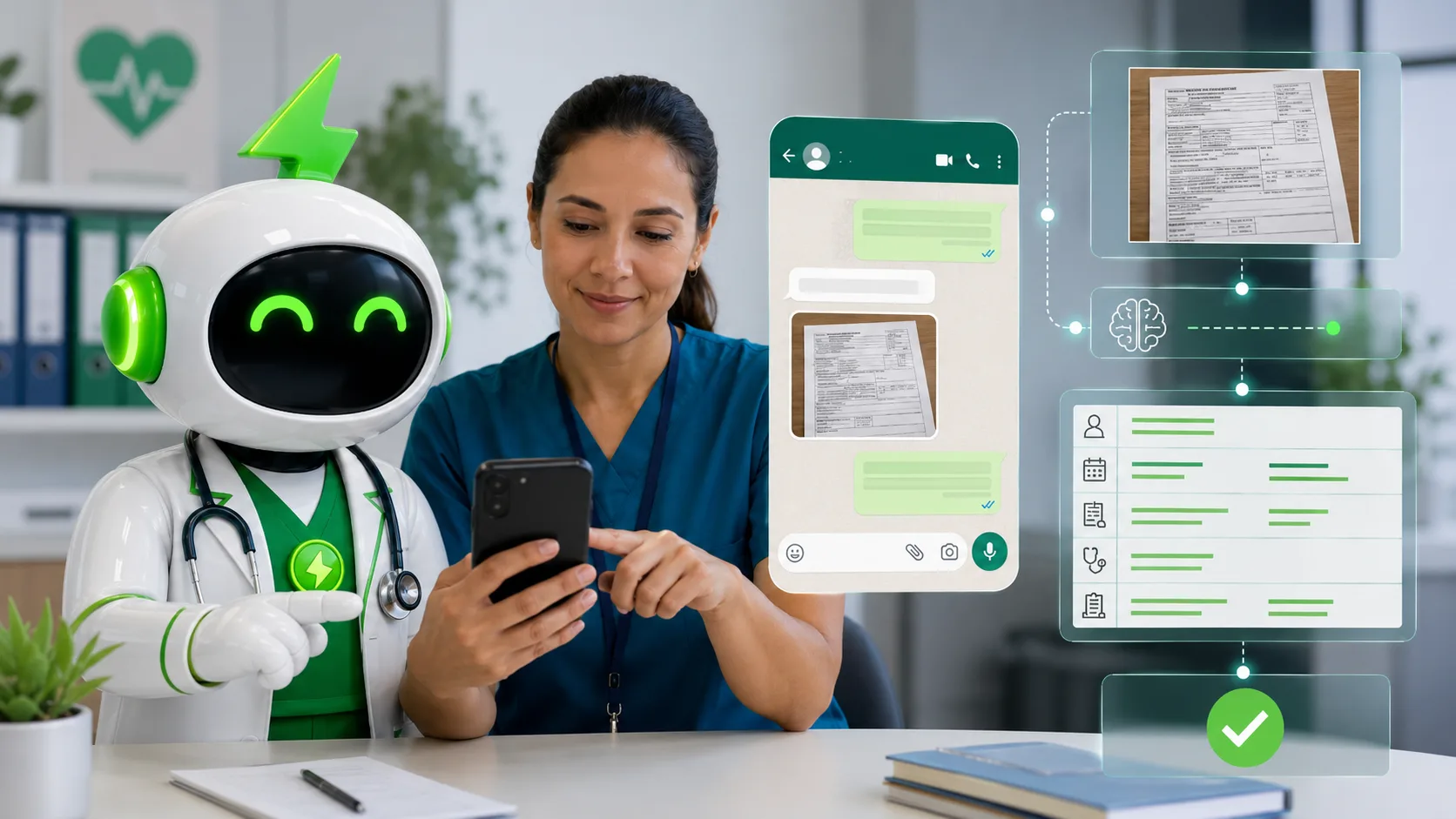
The digital health market shows a clear gap: when clinical OCR and medical document digitization are discussed, many conversations remain focused on generic providers or tools instead of the real needs of clinical operations. That matters because OCR in healthcare is not simply extracting text from a PDF.
In clinics, hospitals and healthcare provider networks in Colombia, medical documents arrive as scanned orders, authorizations, images, referrals, lab results, external records and forms that vary by payer, site and specialty. Reading them manually delays scheduling, increases errors and consumes administrative time.
What clinical OCR is and why generic OCR is not enough
Generic OCR identifies characters. Clinical OCR must interpret healthcare context: patient, document, requested service, validity, payer, specialty, codes, missing fields and the conditions required for the case to move forward. The difference is turning text into a reliable operational decision.
- Read PDFs, images and low-quality scanned documents.
- Detect data needed for scheduling, authorization and validation.
- Classify the type of clinical or administrative document.
- Validate consistency across patient, order, service and date.
- Route the case to the right workflow without always depending on manual review.
Recent research on clinical OCR benchmarks, including ClinOCR-Bench and MedStruct-S, confirms that clinical documents contain noise, tables, variable fields, handwriting, poor scan quality and semi-structured layouts. This explains why general-purpose OCR does not fully solve healthcare operations.
The operational problem in clinics and provider networks
When a patient sends a medical order or authorization through a digital channel, the institution needs to know whether the process can continue. If the document is not read correctly, if data is missing or if the requested service does not match, the case returns to the call center. That friction multiplies when patient volume and multi-site operations grow.
COCO can own this space as a reading and validation layer connected to care workflows. The right framing is not "OCR to extract text", but "clinical OCR to turn medical documents into scheduling, validation and continuity decisions".
How COCO integrates with clinical workflows
- COCO reads medical documents received through digital channels.
- COCO helps validate information required to schedule or continue the workflow.
- COCO connects OCR with medical scheduling, patient engagement and clinical operations.
- COCO reduces manual workload for access and authorization teams.
- COCO provides traceability around which document arrived, what was read and what action followed.
Colombia: clinical data, traceability and compliance
In Colombia, any healthcare automation solution must protect personal data and handle sensitive information responsibly. The value is not only reading faster, but organizing the process with traceability, permissions, auditability and clear limits around which data is used to coordinate care.
For clinics and healthcare providers, the practical benefit is reducing repetitive validation without losing control. For patients, it means fewer back-and-forth messages, fewer transcription errors and a clearer path to an appointment or procedure.
What healthcare institutions should evaluate before automating clinical documents
Integration with the care workflow
COCO should not be understood as an isolated OCR tool. Its value appears when document reading connects with scheduling, validation, campaigns and continuity of care.
Clinical reading, not only text extraction
Clinical OCR must recognize healthcare documents, interpret variable fields, detect missing information and connect that reading with a safe operational action.
Institutions with the highest impact
Clinics, hospitals, healthcare provider networks and access teams benefit especially when they receive high volumes of orders, authorizations, referrals and medical supports through digital channels.
Frequently asked questions
Is COCO only an OCR tool?
What makes clinical OCR different from administrative OCR?
Which institutions benefit most from clinical OCR?
Conclusion
Clinical OCR should not remain limited to generic solutions. This is the space COCO can own: clinical reading, operational validation and continuity of care for healthcare institutions in Colombia and LATAM.
Do you want to turn clinical documents into useful data?
See how COCO transforms healthcare documents into actionable information for your organization.
COCO in the press
What independent media have published on this topic.
- El TiempoClinics and hospitals grew appointment management over 24% using AI
- Diario ADNIn Colombia, under 50% of hospitals offer digital scheduling and results
- InfobaeHow AI and automation will transform clinics and hospitals in 2026
- Noticias RCNTrends that will transform clinics and hospitals in 2026
Related articles
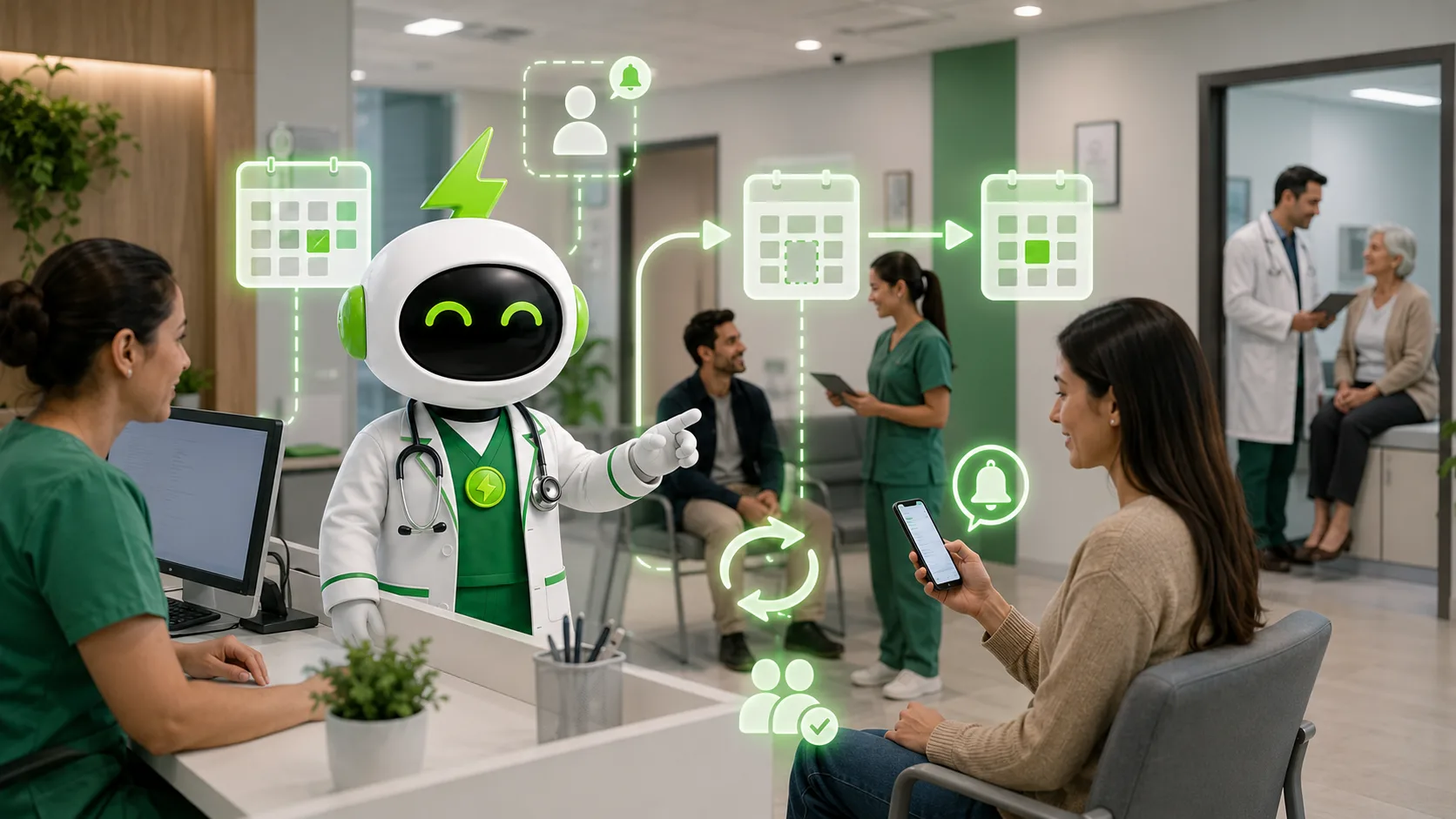
Medical Scheduling Software for Latin American Clinics
What medical scheduling software should solve when a clinic needs to connect access, availability, and care flow.
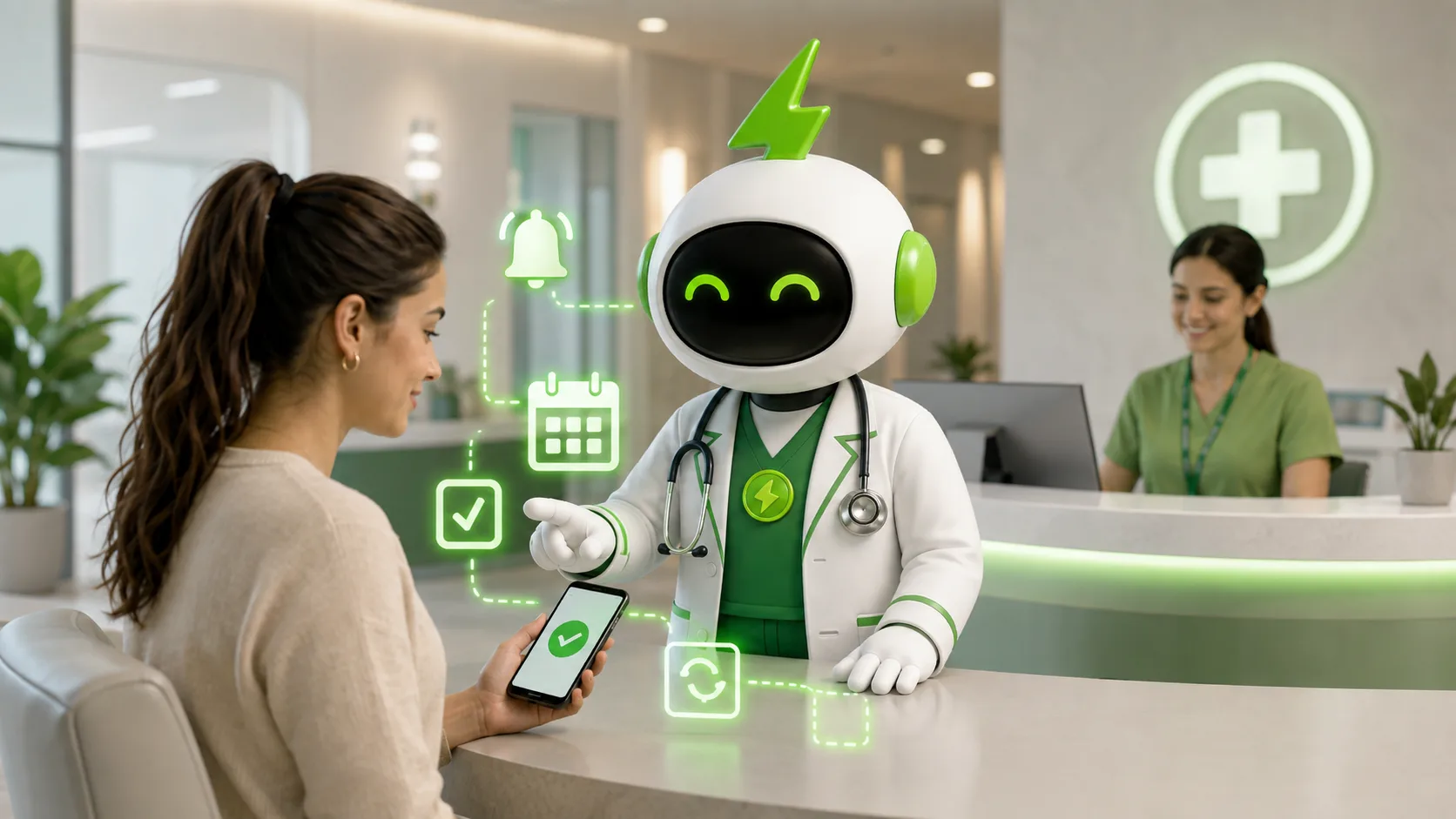
AI Referral and Authorization Automation for Healthcare Providers
A practical guide to automating referrals, orders and authorizations with AI while preserving traceability for healthcare providers.
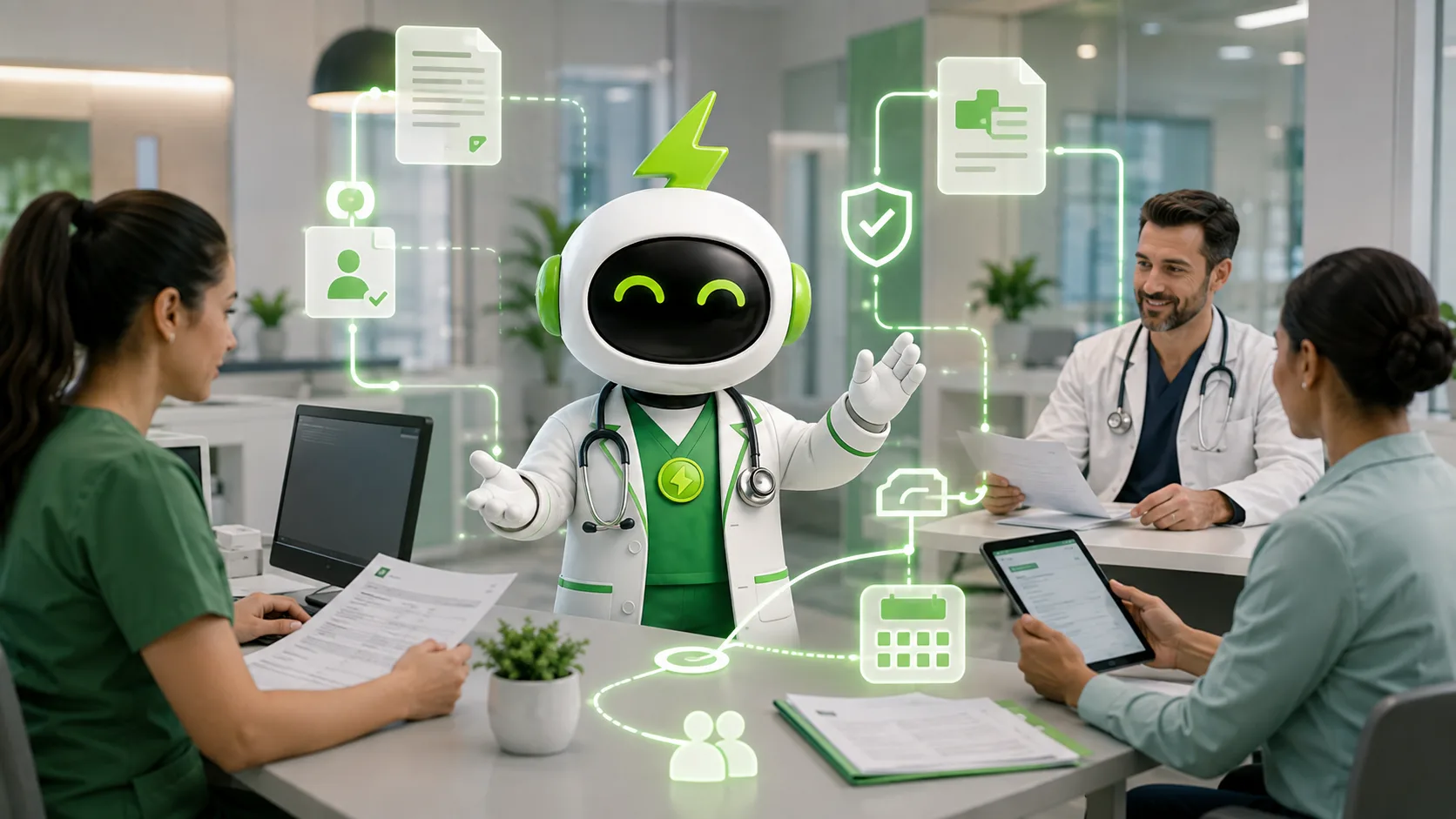
FHIR and HL7 Interoperability in Colombia: A Practical Guide for Clinics
How to prepare data, processes and teams to connect electronic records, scheduling and operations through interoperability standards.