Healthcare data privacy and AI: automating without losing trust
Trust is part of the operation, healthcare automation cannot scale if patient data is not protected. A poorly segmented campaign, exposed clinical data or an integration without traceability affects more than efficiency. It affects trust.

Privacy and efficiency should not compete. A modern clinic needs to automate appointments, reminders, documents and campaigns with clear rules, security and operational control.
Data that requires special care
· Patient identity data.
· Contact data used for WhatsApp, calls, SMS or email.
· Medical orders, authorizations and results.
· Appointment history, confirmations, cancellations and no-shows.
· Data used for prevention campaigns, patient engagement and follow-up.
The challenge in Colombia and LATAM
In Colombia, personal data protection is anchored in Law 1581 of 2012. For regional operations or international standards, healthcare organizations also look at frameworks such as the HIPAA Security Rule and ISO/IEC 27001 as references for security and information management.
The point is not to collect more documents. The point is to make daily operations respect permissions, data minimization, traceability, access control and security by design.
How COCO supports controlled automation
COCO helps clinics and hospitals organize patient flows with medical scheduling software, patient engagement campaigns, clinical OCR software and a telemedicine platform. These workflows handle sensitive information, so they need traceability, security and clear rules.
Secure automation is not just sending messages. It is knowing who receives what information, through which channel, under which authorization, under which rule and with which operational record.
Principles for responsible healthcare automation
· Minimize data: use only what each workflow requires.
· Trace actions: record confirmations, responses, changes and status updates.
· Control access: define which roles can view or modify data.
· Protect integrations: secure data exchange with HIS, ERP, CRM and external channels.
· Measure results without exposing sensitive information.
· Keep human oversight in critical processes.
Responsible AI does not mean slowing innovation
The World Health Organization has highlighted the importance of ethics and governance for AI in health. In practice, AI should improve decisions and workflows without hiding rules, removing oversight or increasing risk around clinical data.
For COCO, AI should be useful in the operation: confirming appointments, recovering slots, reading documents, prioritizing flows, activating campaigns and delivering actionable data without increasing risk.
Questions a clinic should ask before automating
· What data does this workflow really need?
· Which channel will the patient use to confirm, cancel or respond?
· Is the integration traceable?
· Can the team audit what happened?
· Are there clear rules for mass campaigns and follow-up?
· Does the system protect both clinical and contact data?
FAQ
· Does data privacy limit automation? No. It makes automation more reliable and sustainable.
· Which rules are relevant in Colombia? Law 1581 of 2012 and complementary security frameworks depending on the institution.
· Which workflows need secure automation? Scheduling, confirmations, campaigns, OCR, telemedicine and integrations.
· What separates a secure healthcare solution from a generic tool? Traceability, access control, operating rules and healthcare focus.
What problem does Healthcare data privacy and AI: automating without losing trust address?
How can it be applied in a clinic, hospital, or healthcare provider?
Which indicators should healthcare leaders track?
Do you want to optimize medical scheduling?
See how COCO helps automate access, confirm appointments, and reduce operational workload.
COCO in the press
What independent media have published on this topic.
Related articles
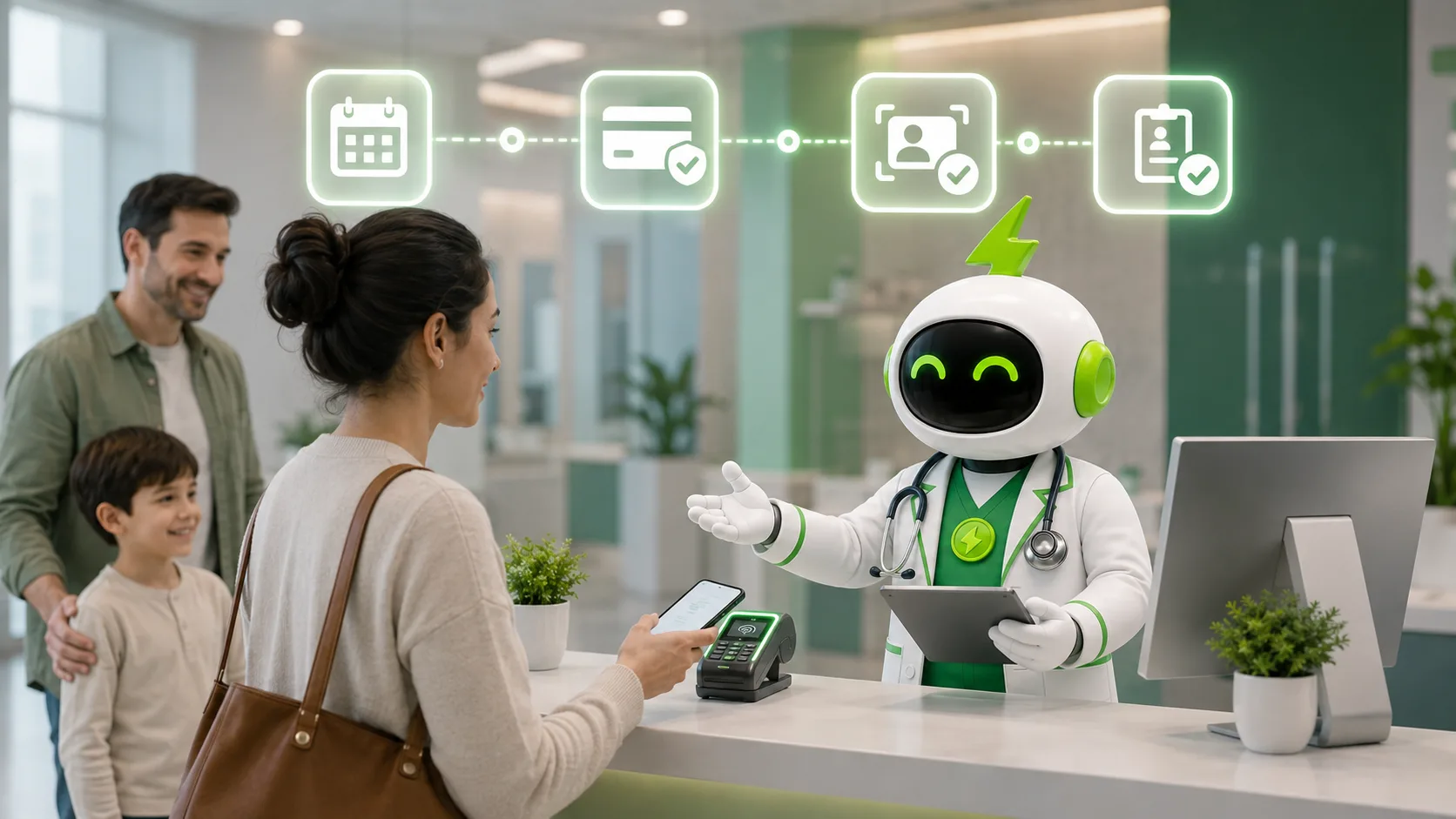
Prepayment Before the Appointment: Effect on No-Shows
Charging before the visit works as a confirmation signal: what changes in no-shows, front-desk time and patient experience.

917,000 Missed Medical Appointments in Peru: The Hidden Cost Draining Private Clinics
In Peru, over 917,000 medical appointments are lost every year, none reassigned. Learn how much no show rates are costing your institution and how AI can recover those revenues.

Digital Transformation in Healthcare: COCO Tech AI Facing the Operational Impact of Decree 0182 of 2026
"Revolutionizing healthcare with COCO Tech AI: Navigating Decree 0182's operational impact"