Health Record Interoperability in Colombia: What Changes in 2026
Health record interoperability in Colombia: since 2026, medical data is shared across institutions, reducing duplication and improving care.

Health Record Interoperability in Colombia: What Changes in 2026
Health record interoperability in Colombia became a reality on April 15, 2026. This change allows patient medical information to be shared across different healthcare institutions, eliminating long-standing barriers to accessing clinical data.
With the implementation of standards such as HL7 FHIR R4 and the Digital Health Summary (RDA), Colombia’s healthcare system takes a major step toward efficiency, cost reduction, and improved quality of care.
What is health record interoperability?
Health record interoperability is the ability to share and access a patient’s medical information across different healthcare institutions, regardless of where they were previously treated.
This enables doctors, clinics, and hospitals to access relevant data in real time, improving continuity of care.
Problems it solves in the healthcare system
Before this change, the system faced challenges such as:
-
Fragmentation of clinical information
-
Duplication of diagnostic tests
-
Delays in administrative processes
-
Clinical decisions made with incomplete information
Interoperability removes these barriers and optimizes system operations.
👉🏼 Healthcare interoperability: the invisible challenge slowing digital transformation
Key changes starting April 2026
The implementation of interoperability in Colombia brings tangible benefits:
Real-time access to clinical information
Healthcare professionals can access patient history, diagnoses, and treatments regardless of the originating institution.
Reduction of duplicate tests
Unnecessary repeated exams are avoided, reducing costs and improving the patient experience.
Improved clinical decision-making
With complete information, physicians can provide more accurate diagnoses and more effective treatments.
Resolution 1888 of 2025: What you need to know
Interoperability in Colombia is supported by a mandatory regulatory framework:
-
Implementation of the Digital Health Summary (RDA)
-
Use of the international HL7 FHIR R4 standard
-
Mandatory adoption for all healthcare providers
What is the RDA?
The RDA (Digital Health Summary) is the format used to share structured clinical information between institutions.
Why is HL7 FHIR important?
HL7 FHIR is the global standard that allows different healthcare systems to “speak the same language,” enabling seamless technological integration.
Benefits of healthcare interoperability
For clinics and hospitals
-
Reduced operational costs
-
Increased process efficiency
-
Optimized resource utilization
For healthcare professionals
-
Access to complete patient information
-
Better clinical decisions
-
Reduced administrative burden
For patients
-
Fewer administrative steps
-
Fewer repeated tests
-
Faster, more continuous care
How to prepare for interoperability in Colombia
Adopting this model requires a strategic approach:
Integration of existing systems
Organizations must connect their current systems without disrupting operations.
Regulatory compliance
Alignment with Resolution 1888 of 2025 is essential.
Technology partners
Having the right solutions to enable integration is critical.
How COCO enables interoperability
In this new landscape, COCO helps institutions adapt quickly:
-
Integration with existing systems without replacing them
-
HL7 FHIR R4-based implementation
-
Scalability based on institutional needs
-
Full compliance with current regulations
This enables a smooth transition to interoperability without friction or operational disruption.
What is health record interoperability in Colombia?
It is the ability to share and access a patient’s medical information across different healthcare institutions using standards such as HL7 FHIR, improving continuity of care, reducing duplication, and enhancing clinical decision-making.
Frequently asked questions about interoperability in Colombia
Is interoperability mandatory in Colombia?
Yes. Under Resolution 1888 of 2025, all healthcare providers must implement information exchange through the RDA.
What is HL7 FHIR?
It is an international standard that enables secure and structured exchange of clinical data between healthcare systems.
What are the benefits for hospitals?
It reduces costs, improves operational efficiency, and enables better clinical decisions through complete information.
What is the RDA?
It is the Digital Health Summary, the mandatory format for sharing clinical information in Colombia.
The change has begun: are you ready?
Health record interoperability marks a turning point in Colombia’s healthcare system. Beyond regulatory compliance, it represents a real opportunity to transform operations, improve quality of care, and optimize resources.
Organizations that act quickly will not only meet regulatory requirements but also gain a competitive advantage.
Is your organization ready?
With COCO, you can integrate into the HL7 FHIR standard without replacing your existing systems. Reduce inefficiencies, improve performance, and comply with regulations starting today.
👉 Book a demo and take the next step toward healthcare interoperability 🚀
What problem does Health Record Interoperability in Colombia: What Changes in 2026 address?
How can it be applied in a clinic, hospital, or healthcare provider?
Which indicators should healthcare leaders track?
Do you want to turn clinical documents into useful data?
See how COCO transforms healthcare documents into actionable information for your organization.
COCO in the press
What independent media have published on this topic.
Related articles
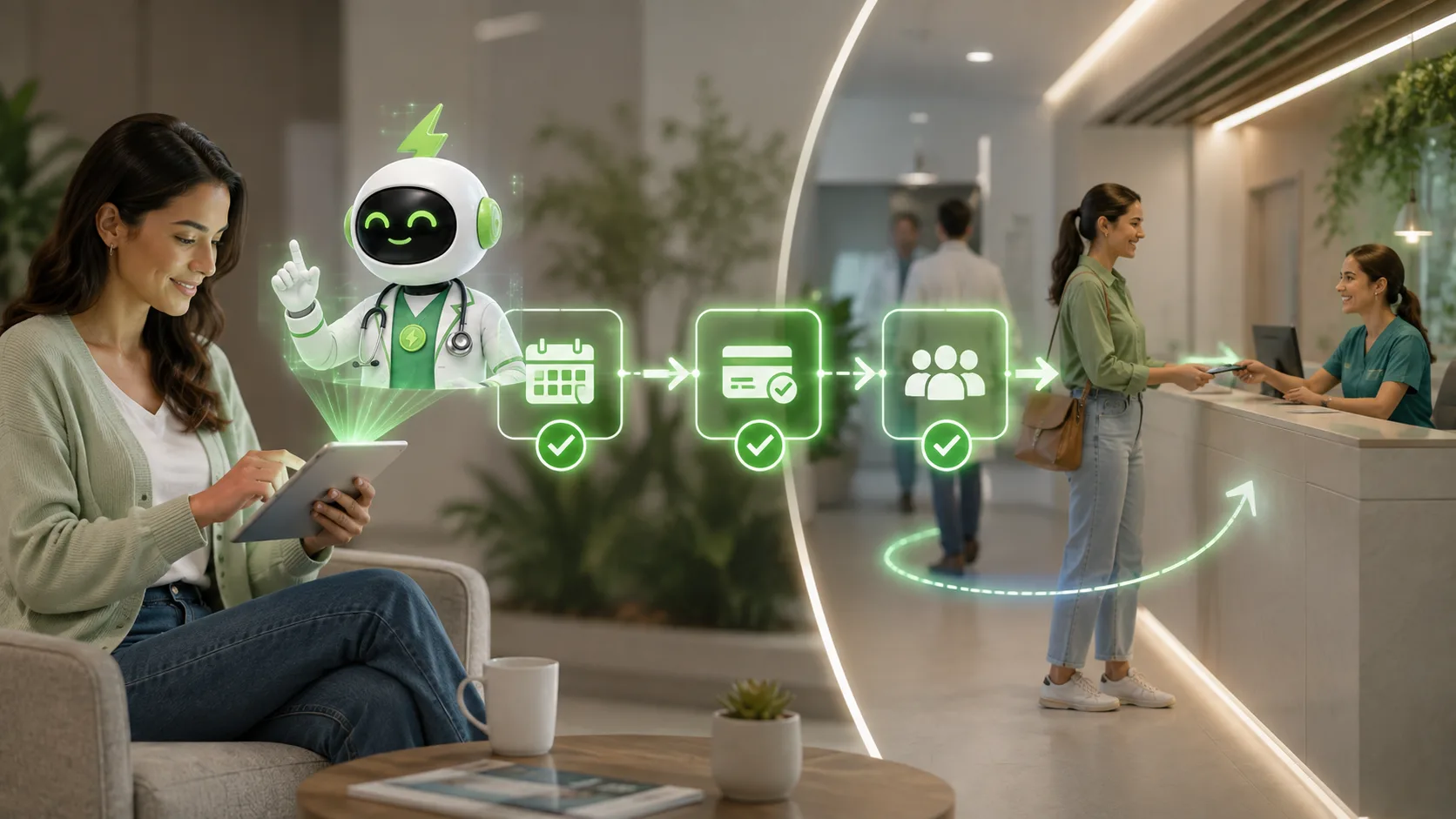
From Scheduling to Revenue: How COCO Pay Organizes Healthcare Collections
A guide for clinics and healthcare providers that want to connect scheduling, payment, confirmation, and reconciliation without adding administrative workload.
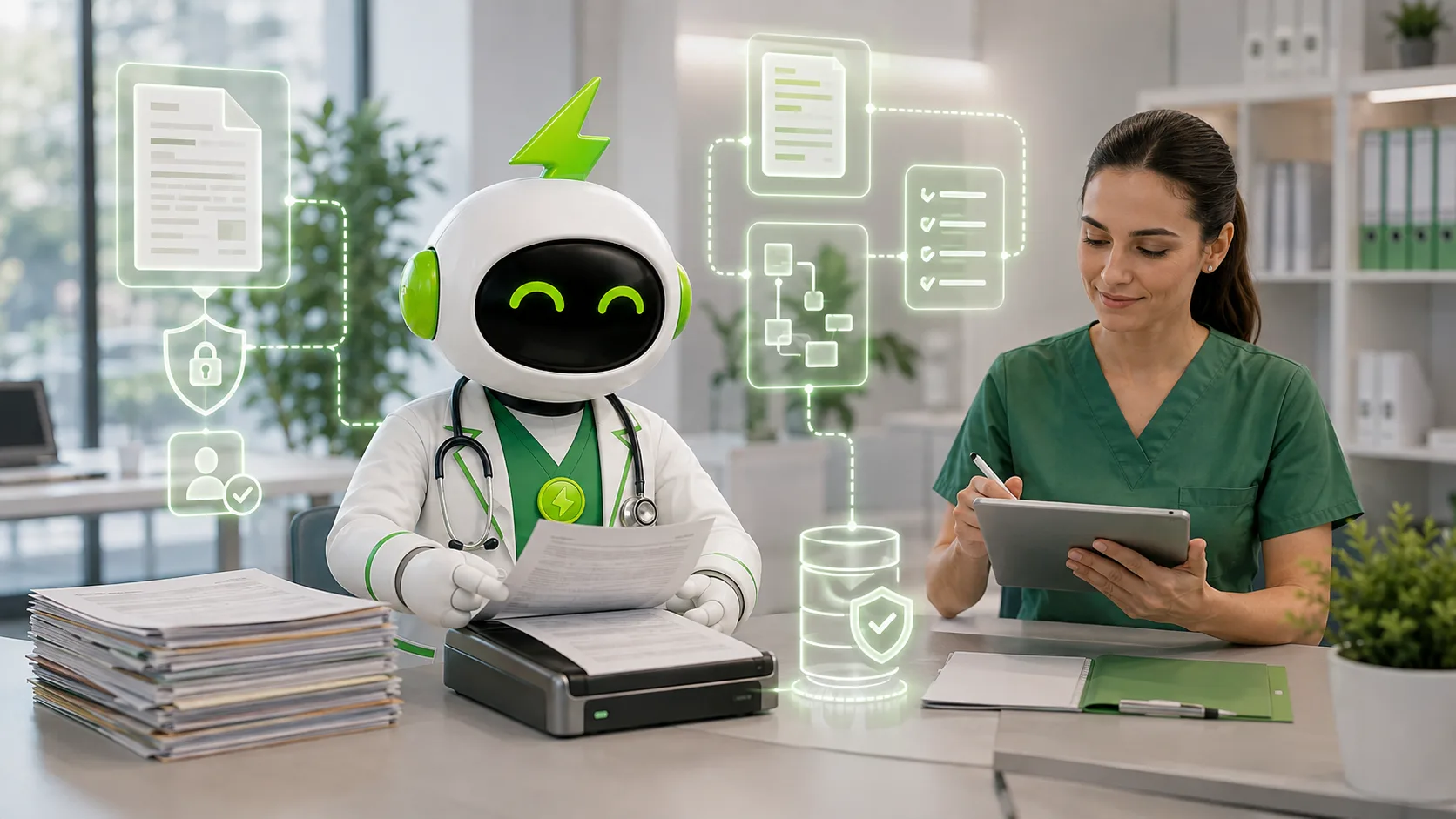
Health Data Privacy in Clinical OCR: Controls and Governance
Access rules, traceability, human review and governance: how to keep health data protected when documents pass through OCR and AI.
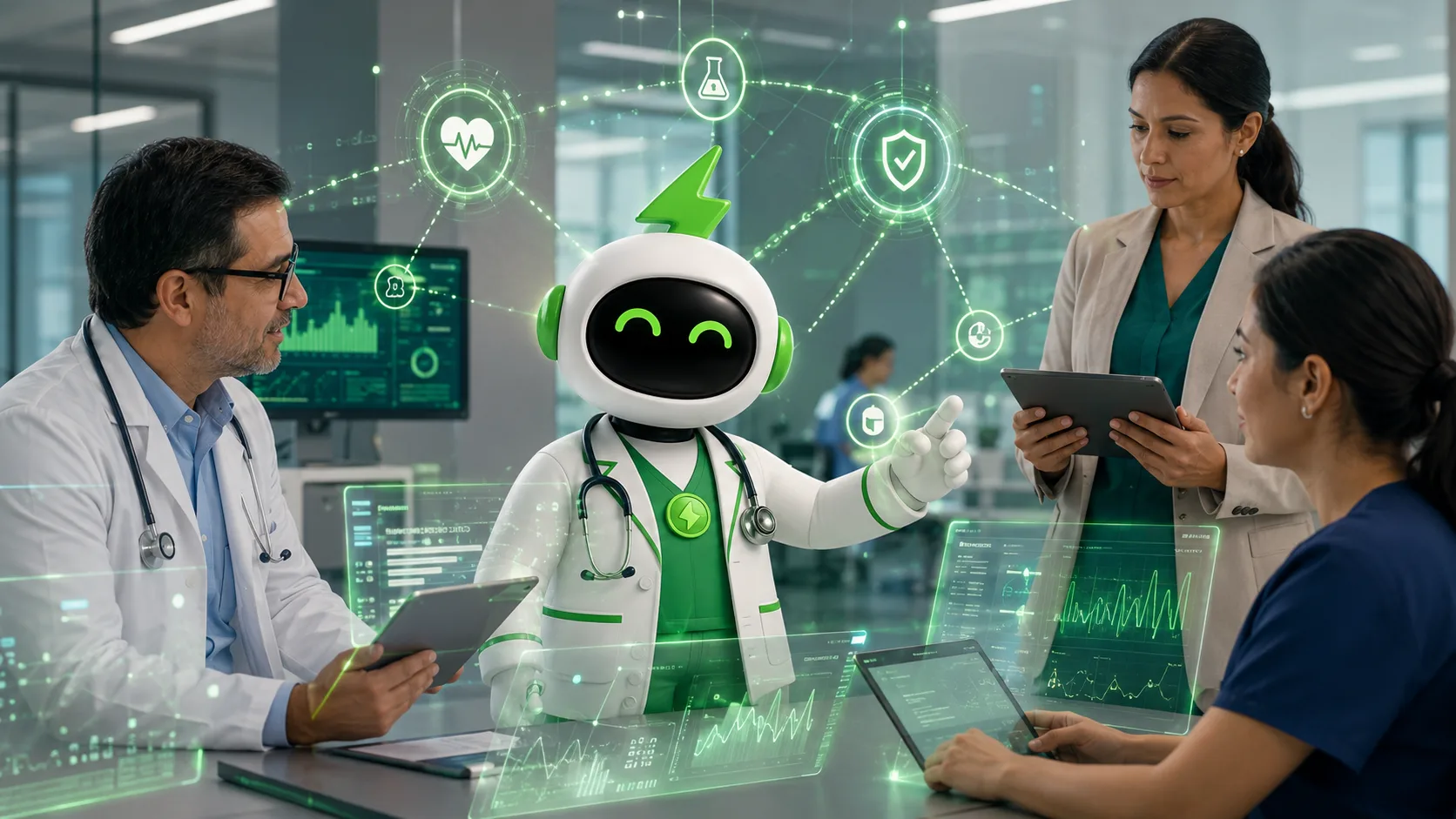
Clinical interoperability in LATAM: connecting scheduling, OCR and operations without adding friction
Interoperability is no longer just a technical project. It is an operational need. In healthcare, every minute lost between systems affects care. An unconfirmed appointment, an order waiting for manual validation or a schedule that does not update in time creates friction for patients and revenue leakage for providers.