COCO vs. Cliniweb: two very different ways to approach healthcare scheduling
Many healthcare institutions in Panama discover that a traditional scheduling tool does not solve the real problem: no-shows, underused capacity, operational friction, and limited interoperability. This article compares COCO and Cliniweb to show which type of institution fits each solution and when an access platform can drive better efficiency and results.

At COCO, we were not built for small medical offices. We were built for healthcare institutions facing more complex operational challenges.
We are designed for clinics, hospitals, and healthcare networks that need to manage large patient volumes, multiple locations, multiple insurers, no-show reduction, real-time slot recovery, automated patient engagement, and integration with their existing technology ecosystem without replacing it.
We do not position ourselves as a scheduling tool. We position ourselves as an operational and financial layer for healthcare institutions that need to make better use of their installed capacity and protect revenue.
That difference in purpose changes everything:
-
The technical architecture.
-
The confirmation and recovery logic.
-
The integration model.
-
And the way success is measured after implementation.
With more than 8 years of operations in 7 Latin American countries and more than 30 million appointments managed, we have learned that the real problem for many institutions was never simply “poor scheduling.” The real problem was losing already-booked appointments, failing to refill canceled slots, and overloading administrative teams with manual tasks that can and should be automated.
A closer look
1. Scheduling: appointment registration vs. active access management. This is the most important difference, and the one with the greatest impact on results.
What does your institution actually need: a reactive system or a proactive one?
Traditional scheduling tools operate reactively. The patient comes in, checks availability, books an appointment, and receives a confirmation. The patient drives the action. That can work well when patient flow is stable and predictable.
At COCO, we operate proactively. We do not wait for patients to come to the system. We actively manage demand:
-
We activate patients when capacity becomes available.
-
Recover those who tried to book but could not find an open slot.
-
Redistribute cancellations before the time goes unused.
-
And manage dynamic waiting lists with configurable rules.
This is not just a difference in interface. It is a difference in operating model: one system records appointments, while the other helps the schedule produce more. And that has a direct impact on the institution’s financial efficiency.
2. Confirmation and recovery: reminders vs. revenue recovery
In our experience, this is where healthcare institutions either preserve revenue or lose it.
Standard scheduling tools typically send a reminder by email or WhatsApp two days before the appointment. One or two touches, one channel, limited follow-up. If the patient does not respond, the workflow often ends there.
At COCO, we can execute up to six confirmation and recovery attempts through WhatsApp, AI-powered phone calls, and SMS, fully automated and without human intervention.
If a patient cancels, the slot is immediately released and a new automated flow begins to reassign it. A canceled appointment does not automatically become wasted time. It becomes an opportunity to fill that slot with another patient already waiting.
In healthcare, reminding patients is not enough. You need to anticipate, confirm, recover, and refill. That is what we do.
3. Omnichannel access: digital scheduling vs. active patient engagement
Conventional scheduling solutions make booking easier and may support confirmations by email, sometimes with calendar integrations such as Google Calendar, iCal, or Microsoft Outlook for the physician’s internal management.
At COCO, we work across the channels that actually drive access in Latin America:
-
WhatsApp.
-
Web portal.
-
Conversational chatbot.
-
SMS.
-
Automated calls.
-
And escalation to human agents when needed.
Patients can book, confirm, cancel, or reschedule from the channel they prefer, without having to call the contact center. That directly reduces the workload on administrative teams and improves response rates.
At COCO, we do not just open channels. We turn them into:
-
Productivity.
-
Patient self-service.
-
And lower operational pressure on human teams.
4. Technical interoperability: closed system vs. open platform
Many standard scheduling solutions operate as integrated suites with their own scheduling, EMR, and billing modules within the same environment. That can feel convenient for simpler operations. But when a healthcare institution already has systems in place, a HIS, billing platform, contact center, and digital channels, that approach often forces the organization to adapt processes or duplicate information.
COCO was built as a cloud platform with open APIs to connect with the institution’s ecosystem:
-
HIS.
-
Billing.
-
Contact center.
-
And digital access channels.
We support HL7 FHIR and standard interoperability formats. We do not replace existing systems. We integrate on top of them. That means:
-
Faster implementation.
-
Less resistance to change.
-
And lower operational risk for the institution.
When an organization already has an EMR or HIS in place, the last thing it needs is another system that forces it to change everything just to fit into someone else’s software.
We adapt to the real operation, not the other way around.
5. Personalization and business rules
Standard scheduling tools tend to perform well when the scheduling logic is relatively homogeneous:
-
The same workflow across specialties.
-
The same rules for all patients.
-
The same operational model across the board.
At COCO, business rules are configurable as independent layers:
-
by facility,
-
by insurer,
-
by physician,
-
by clinical resource,
-
by service,
-
and by institution-specific restrictions.
When a healthcare institution works with five different insurers, distributed availability across several locations, and authorization rules that vary by type of care, a standard scheduling system starts to fall short.
That is exactly the level of complexity COCO was built for.
6. Capabilities COCO offers that Cliniweb does not publicly document
Based on the article’s comparison table, COCO highlights a number of capabilities that are core to our model and not publicly documented on Cliniweb’s side:
-
Multichannel confirmation with up to 6 automated attempts
-
Real-time canceled-slot recovery
-
Active waiting list management
-
AI applied to schedule and patient flow optimization
-
Complex surgical scheduling
-
Clinical OCR for document digitization
-
API interoperability with HL7 FHIR
-
In-facility queue management
-
Automated satisfaction surveys
-
Chatbot for reducing operational workload
-
Induced demand and preventive outreach campaigns
A key clarification from the original article is important here:
“Not documented” means no public evidence was identified. It does not necessarily mean the functionality does not exist.
Who each platform makes sense for
Cliniweb makes sense for:
-
Independent physicians.
-
Private practices.
-
And smaller clinics where scheduling, EMR, and billing can live comfortably in a more standardized, all-in-one solution.
-
And where the primary goal is to digitize appointment booking and basic administration.
COCO makes sense for:
-
Mid-sized and large clinics.
-
Hospitals.
-
Healthcare networks with multiple sites.
-
Institutions working with insurers.
-
Organizations under real pressure from no-shows.
-
Teams looking to reduce manual workload.
-
And institutions that need more than a calendar.
They need: access, efficiency, response capacity, and measurable operational outcomes. If the goal is simply to organize appointments, there are several options in the market.
If the goal is to help the institution see more patients, lose less revenue, and operate with less manual burden, backed by data, that is where COCO comes in.
The most important difference: we do not sell scheduling, we sell outcomes
Cliniweb competes effectively in the category of medical scheduling and practice management software.
COCO competes in a different category:
-
Operational efficiency.
-
Revenue recovery.
-
Patient access.
-
Team productivity.
-
And better use of installed capacity.
That is why, at COCO, we do not define ourselves as software alone. We define ourselves as an operational and financial partner for healthcare institutions. A missed appointment is not just a missed appointment.
It is:
-
Revenue that does not come in.
-
Installed capacity left unused.
-
And often a patient who did not receive care on time.
Latin America and Central America need healthcare institutions that are more sustainable, more efficient, and more responsive. They need platforms that understand a simple truth: improving access also improves financial sustainability.
That is where COCO becomes especially relevant.
What does Panama need?
Panama has a healthcare system with strong private-sector participation, broad private insurance penetration, and a growing base of clinics and hospitals competing for patients who have options. In that environment, the difference between a system that records appointments and one that actively manages capacity is not marginal. It is the difference between operating at 65% occupancy and moving closer to 95%.
We already have an active presence in Panama, and we are able to support implementations locally when the project requires it.
What problem does COCO vs. Cliniweb: two very different ways to approach healthcare scheduling address?
How can it be applied in a clinic, hospital, or healthcare provider?
Which indicators should healthcare leaders track?
Do you want to optimize medical scheduling?
See how COCO helps automate access, confirm appointments, and reduce operational workload.
COCO in the press
What independent media have published on this topic.
- El TiempoClinics and hospitals grew appointment management over 24% using AI
- Diario ADNIn Colombia, under 50% of hospitals offer digital scheduling and results
- InfobaeHow AI and automation will transform clinics and hospitals in 2026
- Noticias RCNTrends that will transform clinics and hospitals in 2026
Related articles
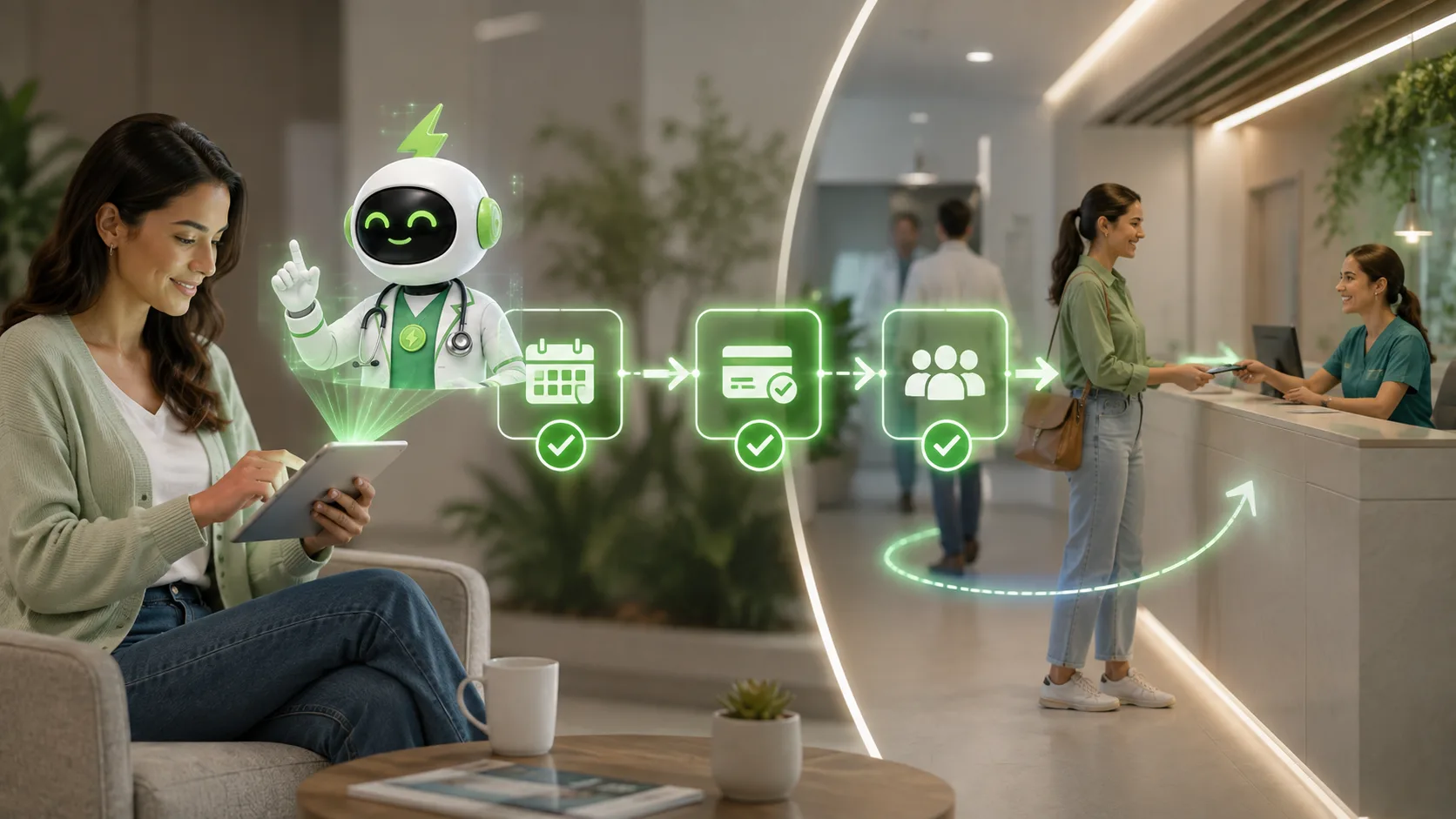
From Scheduling to Revenue: How COCO Pay Organizes Healthcare Collections
A guide for clinics and healthcare providers that want to connect scheduling, payment, confirmation, and reconciliation without adding administrative workload.
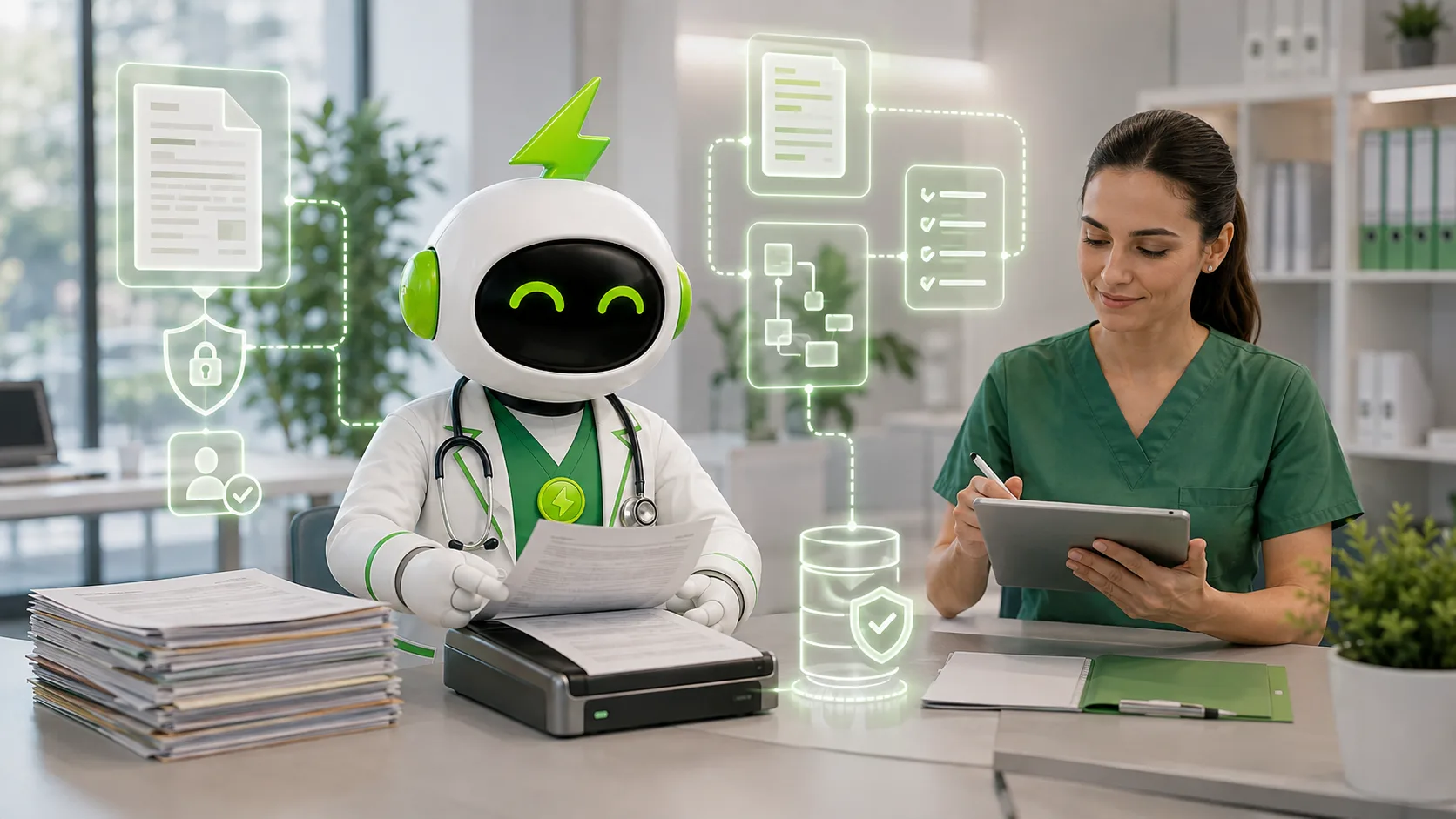
Health Data Privacy in Clinical OCR: Controls and Governance
Access rules, traceability, human review and governance: how to keep health data protected when documents pass through OCR and AI.
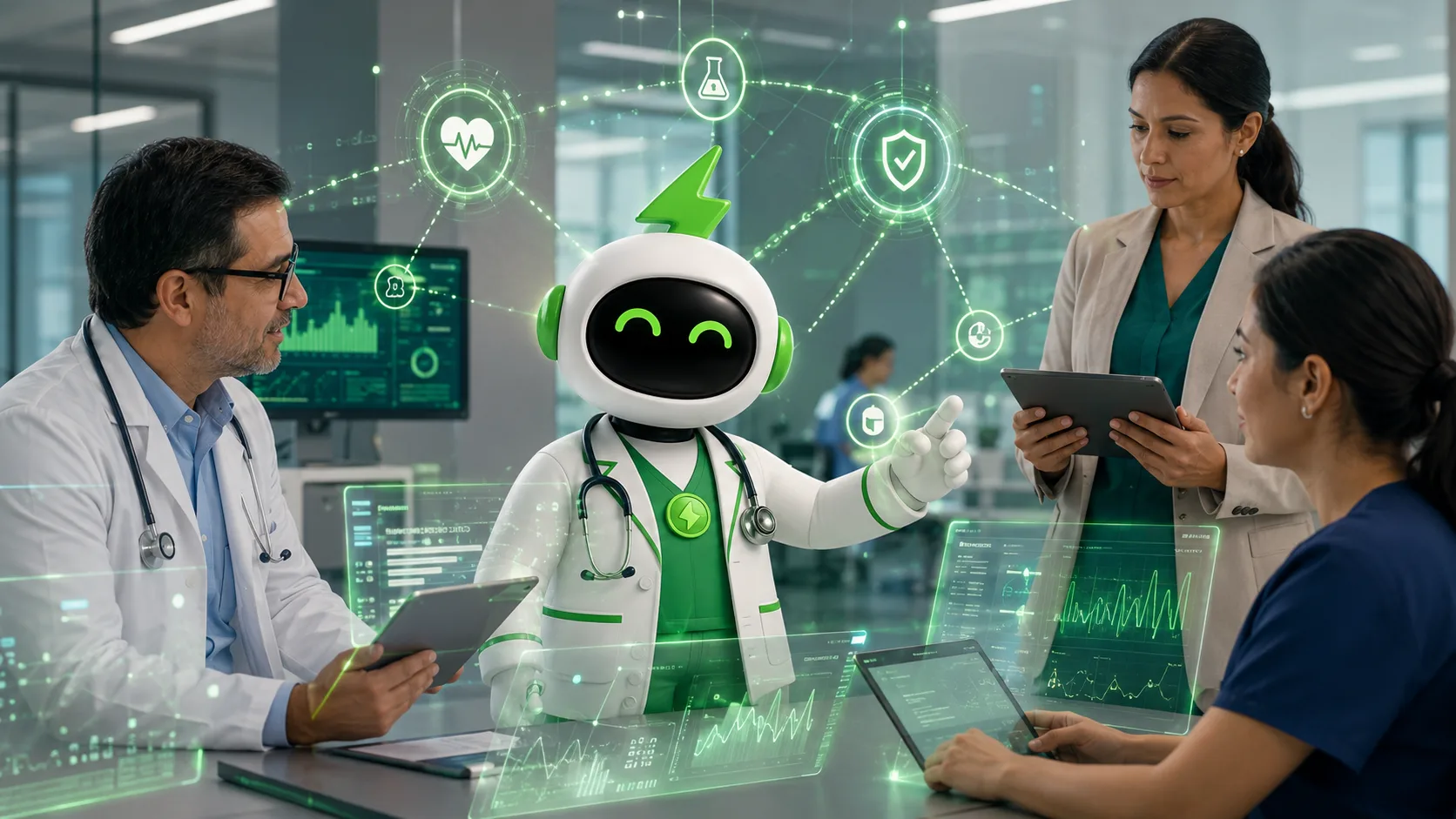
Clinical interoperability in LATAM: connecting scheduling, OCR and operations without adding friction
Interoperability is no longer just a technical project. It is an operational need. In healthcare, every minute lost between systems affects care. An unconfirmed appointment, an order waiting for manual validation or a schedule that does not update in time creates friction for patients and revenue leakage for providers.