How AI reduces medical no-shows in clinics, hospitals and healthcare providers
Reducing no-shows requires connected scheduling, multichannel confirmation, waitlist recovery and operational data.
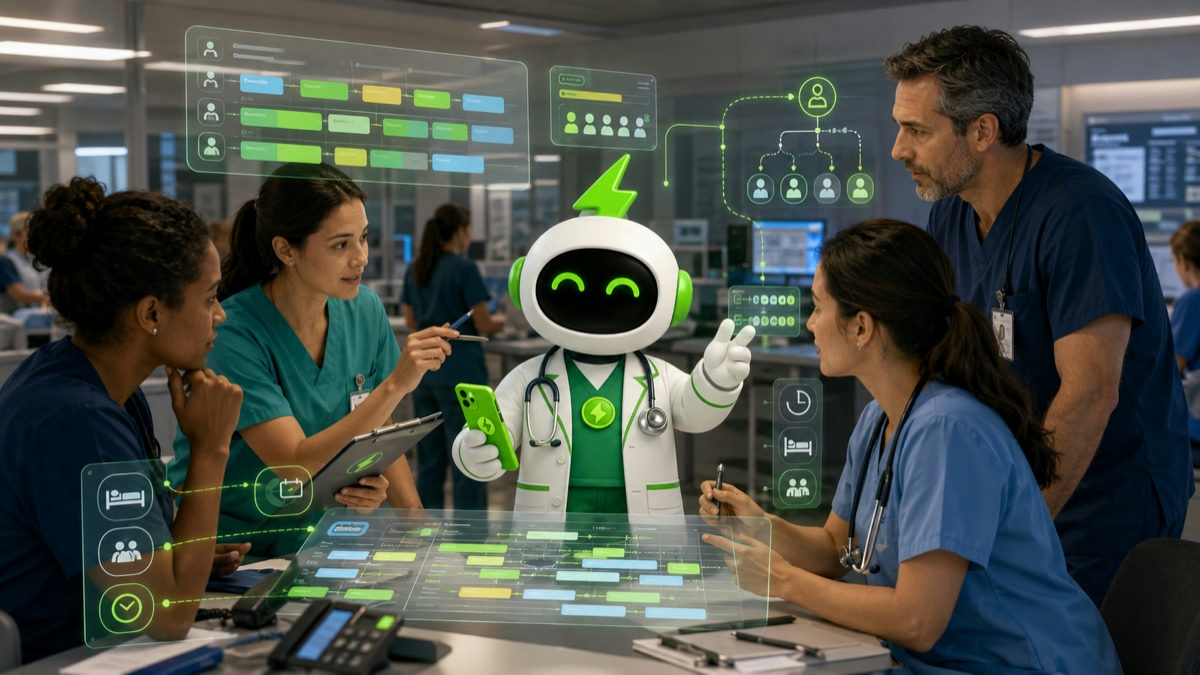
Medical no-shows are not just a scheduling issue. They are lost capacity, lost revenue and lost access for patients who needed that slot. A modern clinic, hospital or healthcare provider cannot solve this by asking the same access team to make more calls. It needs a connected operating model: prediction, confirmation, recovery and measurement.
Reducing no-shows requires more than reminders. It requires centralized scheduling, multichannel confirmation, active waitlist recovery, slot rescue and dashboards that show what is happening by location, specialty, channel and appointment type.
The starting point is connected medical scheduling
The base is medical scheduling software. When scheduling is centralized, the organization knows which patients confirmed, which appointments are at risk, which slots were cancelled and which patients can fill released capacity. That visibility turns no-shows into a managed variable.
Research on no-show prediction, such as Improving healthcare access management by predicting patient no-show behaviour, shows that patient, appointment and context variables can support access policies and prioritization. For healthcare organizations, prediction only matters if it activates action.
No-shows can be managed before they happen
Missed appointments rarely come from one cause. They come from distance, forgetfulness, poor timing, weak confirmation, access barriers and low perceived urgency. A modern strategy does not treat every appointment the same.
- Low-risk appointments: standard reminder and self-service.
- Medium-risk appointments: multichannel confirmation and easy rescheduling.
- High-risk appointments: additional attempts, alternate channels, automated voice outreach or focused human intervention.
- Cancelled slots: immediate waitlist activation or proactive outreach.
COCO connects that operating layer through scheduling and patient engagement campaigns. The goal is not to send more messages. The goal is to protect more attended appointments with less manual work.
Multichannel reminders are not the same as multichannel operations
A single SMS reminder may help, but it does not close the loop. A modern strategy combines WhatsApp, voice calls, SMS and self-service. The patient confirms, cancels or reschedules. The system updates the schedule. If a slot opens, it can be offered to a waitlisted patient or to a campaign segment.
Predictive scheduling is not new. Wired’s coverage of smart scheduling explained how attendance prediction can improve schedules and reduce waiting-room friction. What changed is execution: prediction must be connected to the operational workflow, not trapped in a dashboard.
The operating formula: predict, confirm, recover, measure
- Predict: classify no-show risk by appointment type, patient history, channel response and time of day.
- Confirm: trigger different workflows for low-risk and high-risk appointments.
- Recover: fill cancelled slots through waitlists and proactive outreach.
- Measure: track attendance, occupancy, channel performance and access-team productivity by location and specialty.
The queue management system completes the journey when confirmed patients arrive and need a clear, fair and visible flow through the facility.
What executives should ask before buying no-show technology
The first question should not be “do you send reminders?”. It should be “does the system connect reminders, scheduling, waitlists, campaigns and operational dashboards?”. A no-show product that only sends messages will not change clinic economics.
- Can it segment by location, specialty, payer, appointment type and risk?
- Can it recover cancelled slots without adding access-team workload?
- Does it measure protected slots, not just sent messages?
- Does it connect the digital journey with the in-person patient flow?
- Does it learn from real operations and adapt channel, timing and frequency?
Applied scenario: provider with 12,000 monthly appointments
A provider with 12,000 monthly appointments and an 18% no-show rate exposes 2,160 slots each month. If the average net value per attended appointment is $80,000 COP, the gross exposure is more than $170 million COP monthly. Even a reduction of 4 to 6 points can materially improve revenue.
The result does not come from one message. It comes from automated confirmation, 24/7 self-service, active waitlist recovery and patient outreach. That is how clinics increase attendance without adding agents.
FAQ
Does AI replace the call center or access team?
No. It removes repetitive volume and lets people focus on exceptions, complex patients and high-value conversations.
Which channel works best?
There is no single best channel. WhatsApp may work well for many patients, while voice outreach is better for others. The right answer depends on patient segment and service type.
When can results be seen?
Early changes can appear within weeks if scheduling is integrated. Sustained reduction is usually confirmed in 60 to 90 days, when the workflows have enough operating data.
Conclusion
Reducing no-shows is not a reminder campaign. It is an access architecture. COCO helps clinics, hospitals and healthcare providers move from isolated reminders to connected scheduling, outreach, recovery and performance measurement.
What problem does How AI reduces medical no-shows in clinics, hospitals and healthcare providers address?
How can it be applied in a clinic, hospital, or healthcare provider?
Which indicators should healthcare leaders track?
Do you want to activate patients and recover capacity?
See how COCO helps reach patients, fill available slots, and support continuity of care.
COCO in the press
What independent media have published on this topic.
- El TiempoClinics and hospitals grew appointment management over 24% using AI
- Diario ADNIn Colombia, under 50% of hospitals offer digital scheduling and results
- InfobaeHow AI and automation will transform clinics and hospitals in 2026
- Noticias RCNTrends that will transform clinics and hospitals in 2026
Related articles
How to Connect Scheduling to an HIS Without Replacing It
A guide to connecting medical scheduling with an HIS, clarifying ownership, and improving access without replacing existing systems.
How to Reduce Medical No-Shows with Active Confirmation
Learn how active confirmation helps clinics reduce no-shows and recover appointments before clinical capacity is lost.
How Clinics Lose Revenue and How COCO Helps Recover It
The revenue leaks behind healthcare organizations and how COCO connects its solutions to recover appointments, capacity, and efficiency in LATAM.