Healthcare Staff Scheduling: Planning Hospital Coverage and Medical Resources
A guide for clinics and hospitals that need to coordinate medical staff, demand, coverage, shifts and operational changes with data.
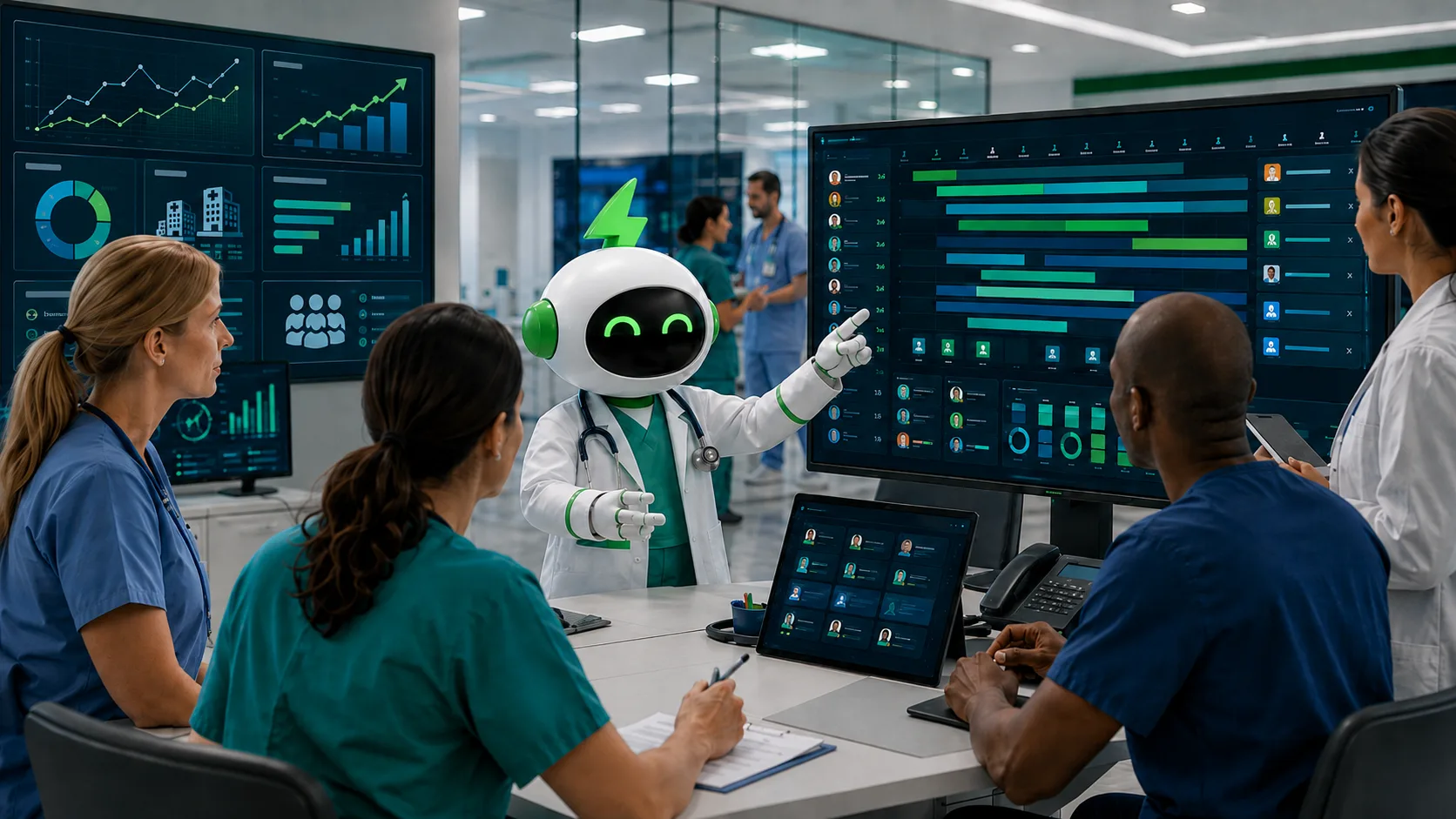
Short answer: To ensure hospital coverage, match demand by service and time slot with staff availability, competencies and rest requirements. Define minimum coverage, validate labor constraints and prepare replacement procedures before publishing shifts. Connect this planning with medical scheduling software to avoid opening appointments without sufficient clinical capacity, and reassess effective coverage whenever assignments change.
Healthcare staff scheduling is not simply placing names on a calendar. It means balancing demand, availability, competencies, service coverage, rest periods, contractual constraints and last-minute changes without affecting continuity of care.
The WHO reviewed health and care workforce planning tools and emphasizes the need to connect care needs with the workforce's real capacity. In Latin America, this is especially important for networks with multiple sites and services of different complexity.
What staff scheduling should solve
A useful schedule should let leaders see coverage gaps before they become operational problems. It is not enough to know who is assigned; the team must also have the right mix of roles, specialties and experience for expected demand.
- Minimum coverage by service, site and time slot.
- Availability, absences, leave and shift changes.
- Competencies required for each service or procedure.
- Expected demand, confirmed appointments and peaks.
- Assigned hours, effective hours and unproductive time.
- Alerts when a change leaves a service uncovered.
The difference between a staff schedule and clinical capacity
A staff schedule answers who is working. Clinical capacity answers what the institution can deliver with that team, when and under which conditions. Connecting both perspectives prevents the organization from opening appointments without sufficient coverage or scheduling shifts that do not match demand.
PAHO/WHO highlights the value of information systems for health workforce planning and management. Information should become evidence for decisions rather than remaining in reports that arrive after the problem.
How to use data to plan coverage
- Segment demand by site, specialty, service and time.
- Identify minimum coverage and required competencies.
- Compare planned shifts with care actually delivered.
- Detect absences, changes and pressure periods.
- Simulate alternatives before publishing the schedule.
- Review results and adjust rules with accountable teams.
Where automation can help
- Alert teams to coverage gaps before opening or confirming schedules.
- Suggest capacity redistribution after cancellations or demand peaks.
- Centralize change requests and retain approval traceability.
- Relate staff shifts to appointments, rooms, equipment and patient flow.
- Measure utilization, delays, overtime and unused capacity.
COCO's role in workforce operations
COCO Tech AI connects medical scheduling, queue management, demand, communication and reporting. This lets staff planning be analyzed alongside patient schedules rather than as a separate spreadsheet.
COCO does not replace labor policies or clinical leadership. It provides visibility, alerts and traceability so teams can adjust operations with better information and respond to change without relying on multiple spreadsheets. Scheduling can be analyzed alongside queue management, staff shift management and patient communication campaigns.
Indicators for leadership and human resources
- Effective coverage by service and time slot.
- Difference between expected demand and delivered care.
- Percentage of shifts changed after publication.
- Overtime, absences and substitutions.
- Utilization of professionals, rooms and related resources.
- Impact of scheduling on waiting times and cancellations.
A four-week pilot
An institution can start with one site or service that has frequent variation. During week one, measure the current state; in week two, define rules; in week three, test alerts and adjustments; in week four, compare coverage, changes and operational results.
Workforce planning must be dynamic. PAHO/WHO has highlighted regional challenges related to health workforce availability and mobility. Institutions therefore need systems that help anticipate scenarios rather than simply record what already happened.
Frequently asked questions
What is healthcare staff scheduling?
What data is needed for better scheduling?
Does COCO replace human resources leadership?
Conclusion
Healthcare staff scheduling should connect people, demand and clinical capacity. With current data and automation, clinics, hospitals and healthcare providers can reduce coverage gaps, respond better to change and protect continuity of care.
Do you want to improve patient flow?
See how COCO organizes queues, capacity, and care to reduce unnecessary waiting.
More frequently asked questions
How should professional skills be matched to service demand?
Build a matrix of roles, specialties and competencies required by each service, then compare it with available staff in each time slot. Use expected demand, confirmed appointments and care complexity to determine the necessary skill mix. Check rooms and equipment as well: sufficient headcount does not guarantee clinical capacity when essential competencies or resources are missing.
Which rest constraints should staffing plans reflect?
Staffing plans should reflect breaks during shifts, rest between shifts, weekly rest and applicable limits on working hours, on-call duties and overtime. Requirements depend on local regulations, contracts and institutional policies; there is no universal threshold. Validate these rules with human resources and check them again after every shift swap or replacement.
How should replacements be managed when staff are absent?
Record the absence and identify the services, time slots and competencies left uncovered. Find replacements with availability and equivalent competencies for the role, checking rest requirements and contractual constraints. The accountable manager should approve and document the change. If no safe replacement is available, escalate to clinical leadership and adjust patient appointments without transferring the coverage gap to another service.
Which indicators reveal coverage gaps by time slot?
Compare actual staffing with minimum requirements by service, role and time slot; record the shortfall and uncovered hours. Add expected demand versus available capacity, absences, replacements and overtime. Review waiting times and cancellations as indicators of impact rather than standalone proof of staffing shortages: room availability, equipment constraints and other processes can also cause these outcomes.
COCO in the press
What independent media have published on this topic.
- Diario ADNIn Colombia, under 50% of hospitals offer digital scheduling and results
- PortafolioSoftware scheduling 140,000+ medical appointments a month wins Ingenio 2025 Award
- Valora AnalitikColombian medical scheduling software wins award
- LatinPymeSoftware scheduling 140,000+ appointments a month wins Ingenio 2025
Related articles

How to Connect Scheduling to an HIS Without Replacing It
A guide to connecting medical scheduling with an HIS, clarifying ownership, and improving access without replacing existing systems.

How to Reduce Medical No-Shows with Active Confirmation
Learn how active confirmation helps clinics reduce no-shows and recover appointments before clinical capacity is lost.

How Clinics Lose Revenue and How COCO Helps Recover It
The revenue leaks behind healthcare organizations and how COCO connects its solutions to recover appointments, capacity, and efficiency in LATAM.