Missed medical appointments in Peru: how technology can recover care capacity
Missed appointments affect access, revenue and continuity. Automation helps confirm, reschedule and recover capacity without expanding infrastructure.
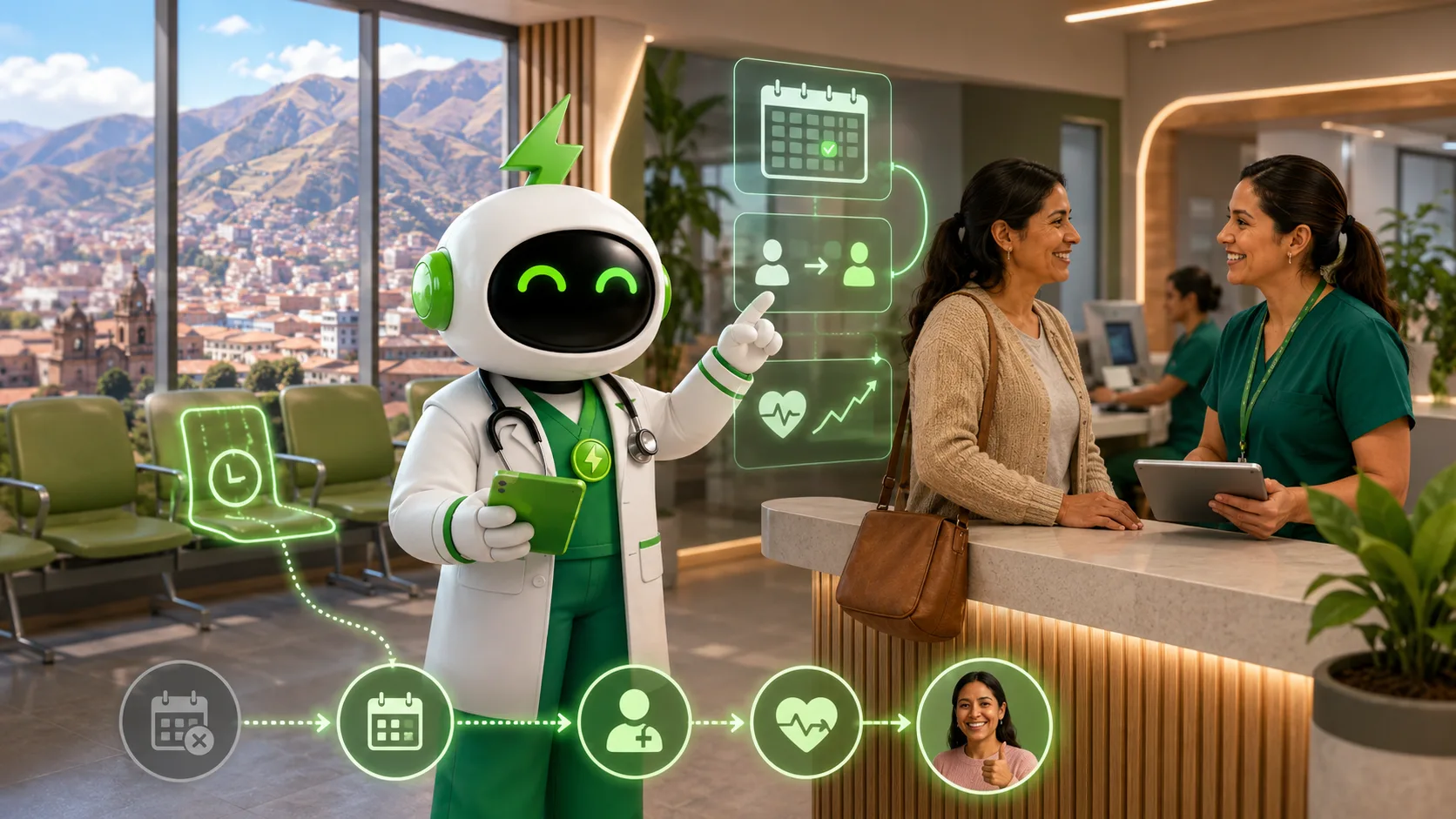
Missed medical appointments have become one of the silent problems in Peru's healthcare system. They do not always appear as a visible emergency room line, but they directly affect access: an unused appointment slot is a lost opportunity for another patient.
In April and May 2026, media outlets such as El Comercio, Diario Médico and Business Empresarial covered the impact of no-shows and the need to manage installed capacity more effectively.
The problem is not only demand
When an appointment is missed and not reassigned, the system loses clinical time, another patient remains on the waiting list and the institution becomes less efficient. The answer is not only to open more slots, but to confirm better, identify no-show risk and recover available spaces quickly.
Technology makes it possible to move from reactive management to preventive management. With digital medical scheduling, patients can confirm, cancel or reschedule through simpler channels. With automated campaigns and reminders, administrative teams reduce manual calls and save time for cases that truly need human support.
What changes when scheduling becomes intelligent
- Patients receive timely reminders through digital channels.
- Cancellations are detected earlier and can be released to other patients.
- Waiting lists can be activated faster.
- Teams can see where no-shows are concentrated.
- Institutions can measure occupancy, recovered slots and continuity of care.
There is also a financial impact. In private institutions, every lost slot can mean unrealized revenue and lower productivity. In public or mixed systems, it means clinical capacity that does not reach the person who needs it.
Better management, better access
For COCO Tech AI, reducing missed appointments means connecting scheduling, reminders, patient engagement campaigns and operational analytics. The goal is not to fill calendars at any cost, but to maintain continuity, traceability and a better patient experience.
The broader message is clear: improving healthcare access does not always start with building more. Often, it starts by managing every available slot better.
The operational dimension of no-shows
Figures reported by Peruvian media help frame the problem: more than 917,000 EsSalud appointments were reportedly lost between January and July 2025 due to no-shows, equivalent to thousands of daily slots that were not reassigned. Beyond the number, the data reveals a coordination failure.
A missed appointment is not only a patient who did not arrive. It may also mean idle specialist time, underused rooms, a waiting-list patient who could have been seen and an administrative team that finds out too late to act.
Where the chain breaks
- Late or missing confirmation before the appointment.
- Cancellations that do not automatically release the slot.
- Waiting lists without immediate digital activation.
- Outdated or scattered contact data.
- Lack of reporting by specialty, site or patient type.
The impact becomes worse when the institution cannot distinguish between a recoverable cancellation, a recurring no-show or a patient who needs additional support to complete care. Automation turns those signals into actions before the schedule loses value.
From simple reminders to slot recovery
The first step is often automated reminders. But the greater value appears when the system can confirm attendance, capture cancellations, offer the slot to another patient and record what happened. At that point, the schedule stops being a passive calendar and becomes a management tool.
COCO Tech AI connects that flow with patient engagement campaigns and digital channels. If a patient cancels, the institution can activate a waiting list. If a group has a high no-show probability, communication can be reinforced. If one site loses more slots than another, teams can intervene with data.
Why it matters for patients and finances
For patients, recovered appointments mean shorter waits and better continuity. For institutions, they mean higher productivity, better use of installed capacity and lower losses from unused clinical hours. In both cases, technology helps turn an invisible problem into a measurable operation.
What problem does Missed medical appointments in Peru: how technology can recover care capacity address?
How can it be applied in a clinic, hospital, or healthcare provider?
Which indicators should healthcare leaders track?
Do you want to improve patient flow?
See how COCO organizes queues, capacity, and care to reduce unnecessary waiting.
COCO in the press
What independent media have published on this topic.
- El TiempoClinics and hospitals grew appointment management over 24% using AI
- Diario ADNIn Colombia, under 50% of hospitals offer digital scheduling and results
- InfobaeHow AI and automation will transform clinics and hospitals in 2026
- Noticias RCNTrends that will transform clinics and hospitals in 2026
Related articles
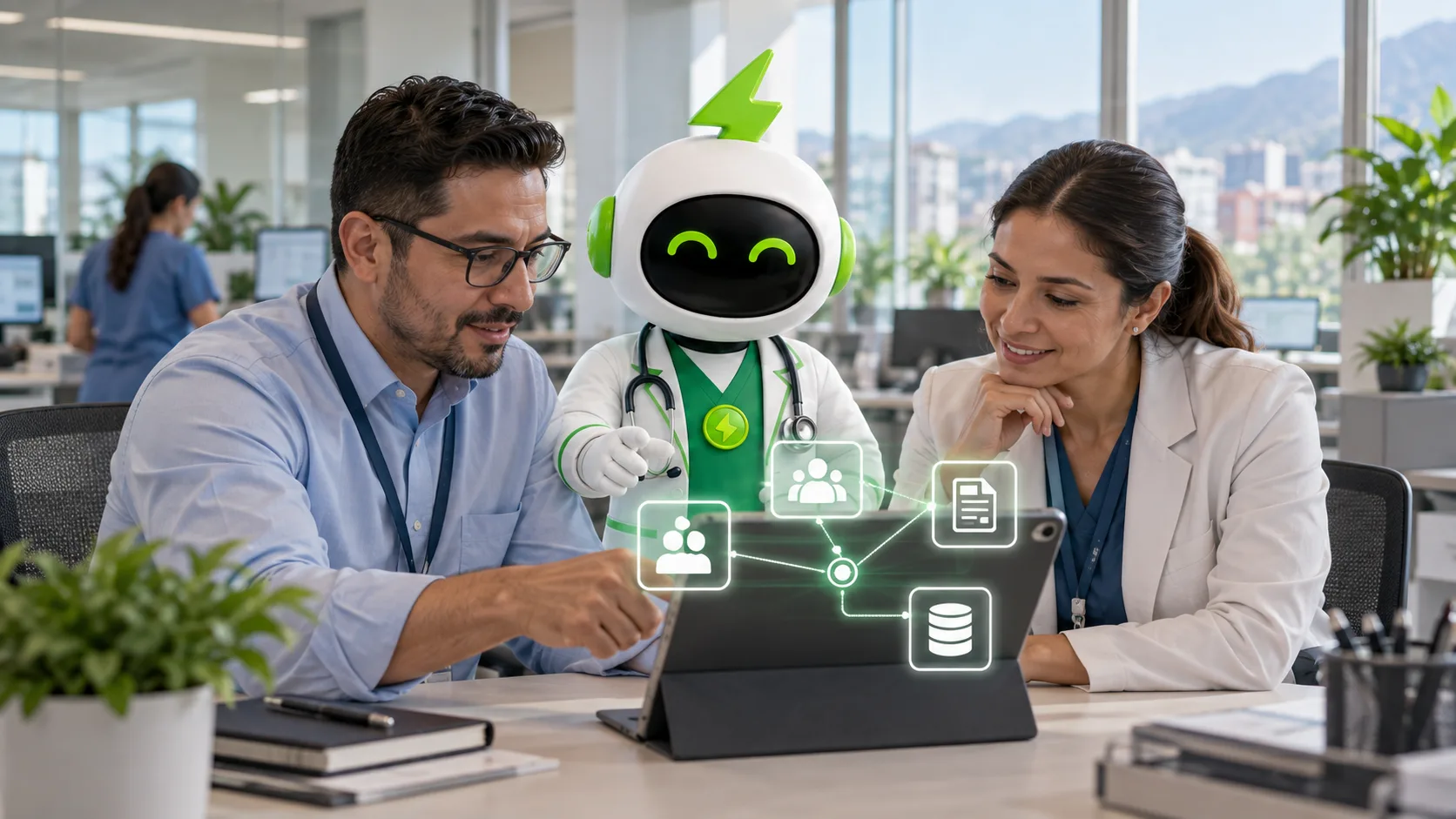
How to Connect Scheduling to an HIS Without Replacing It
A guide to connecting medical scheduling with an HIS, clarifying ownership, and improving access without replacing existing systems.
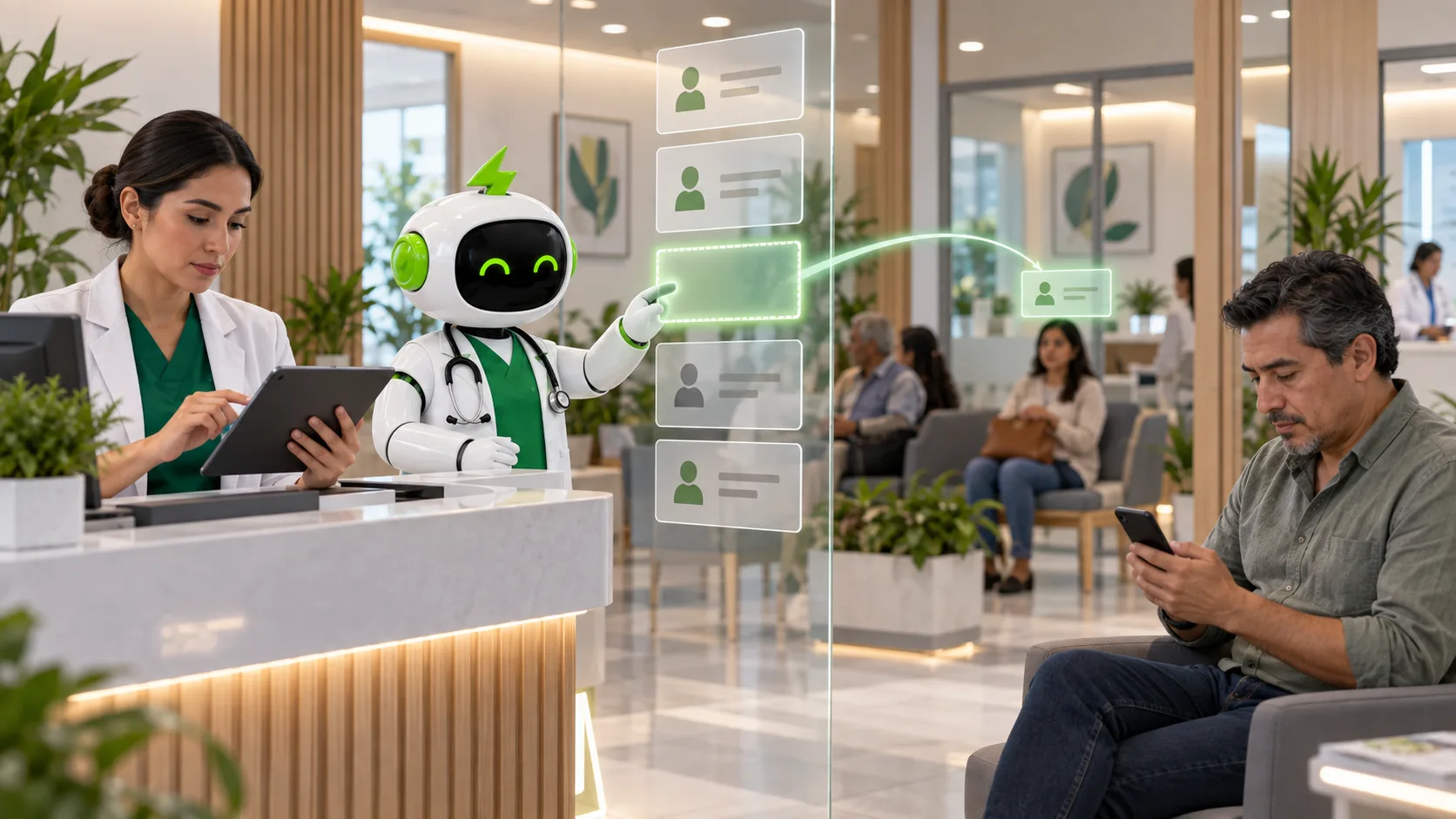
How to Reduce Medical No-Shows with Active Confirmation
Learn how active confirmation helps clinics reduce no-shows and recover appointments before clinical capacity is lost.
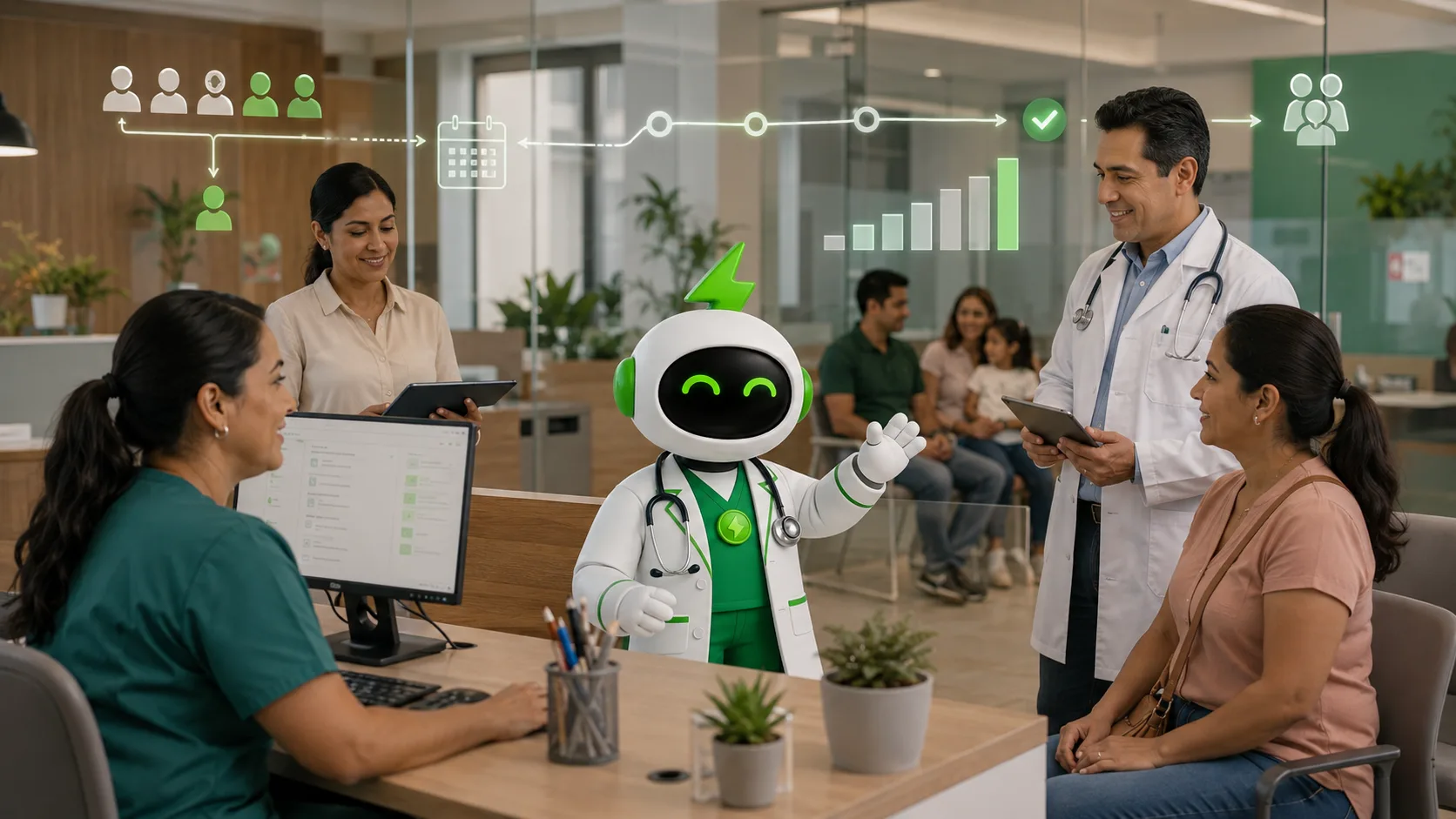
How Clinics Lose Revenue and How COCO Helps Recover It
The revenue leaks behind healthcare organizations and how COCO connects its solutions to recover appointments, capacity, and efficiency in LATAM.