Prepayment Before the Appointment: Effect on No-Shows
Charging before the visit works as a confirmation signal: what changes in no-shows, front-desk time and patient experience.
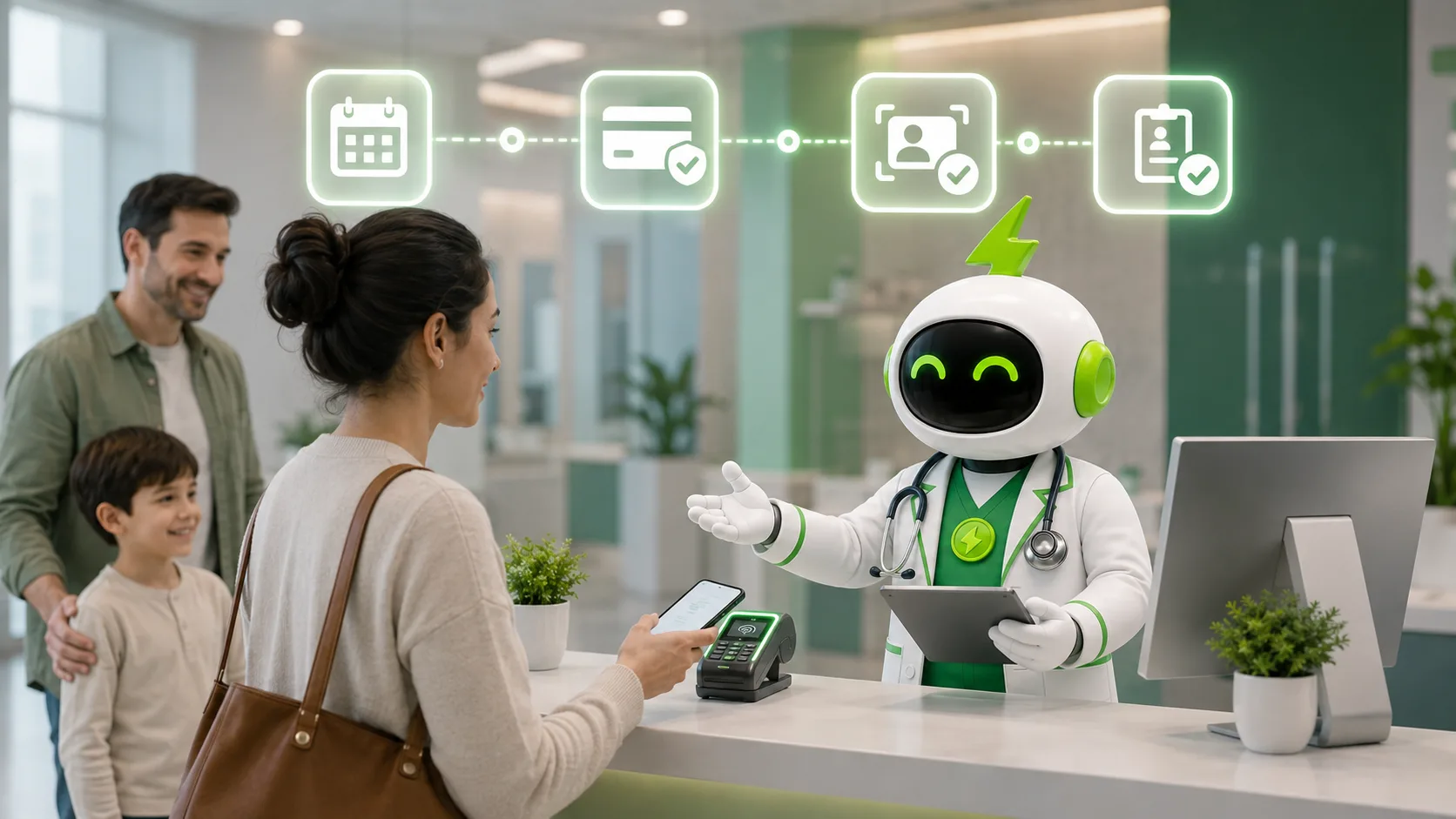
In many clinics, scheduling and payment still happen at different moments. A patient books through WhatsApp or another channel, arrives at the facility, waits to pay, and only then starts the care journey. This design adds friction at the front desk and leaves the appointment exposed to cancellations, no-shows, and manual reconciliation work.
COCO Pay connects prepaid payment with the WhatsApp scheduling flow. When a patient books with COCO Bot 2.0, the patient receives the service amount and a payment link. Once payment is completed, the appointment becomes paid and confirmed without a terminal, card reader, or additional administrative intervention.
Do you want to connect payment with scheduling?
Explore COCO Pay and connect prepaid collection with WhatsApp appointment confirmation.
Why payment should be part of scheduling
Separating scheduling from payment forces the institution to manage two conversations: one to find an available slot and another to collect payment. Connecting them gives the clinic earlier visibility into which appointments are confirmed, which remain pending, and which require follow-up.
- Less front-desk friction: patients can arrive with payment already completed.
- Clearer operations: admissions teams can see each appointment status.
- Lower no-show exposure: prepayment adds another confirmation step before care.
- Simpler reconciliation: the payment remains associated with the service and appointment.
How COCO Pay fits into the patient journey
- The patient requests and books an appointment through WhatsApp.
- COCO displays the service and its price.
- The patient receives the link and pays from a phone.
- The appointment changes to paid and confirmed.
- The institution can focus in-person operations on the care process.
The COCO Pay solution page describes this module as an integrated payment gateway for customers using COCO Bot 2.0. It is designed for institutions that want to connect access, confirmation, and collection in one flow.
What a clinic should evaluate before implementation
The decision should not be reduced to adding a payment button. Teams should review scheduling integration, status traceability, patient messaging, pending-payment handling, and how staff will see confirmed appointments.
Digital health works best when it solves a concrete operational need. In that context, the World Health Organization explains the role of digital health and PAHO's Digital Transformation Toolkit emphasize the importance of technology that strengthens access, efficiency, coordination, and quality of care.
You can also explore our medical scheduling software, our queue management solution, and our patient engagement campaigns.
When scheduling and payment are connected, the institution can move from chasing confirmations to operating with clearer information before the patient arrives. The goal is not only to collect earlier, but to make the administrative journey of care more predictable.
What is COCO Pay?
Does COCO Pay replace medical scheduling?
What can an institution measure?
COCO in the press
What independent media have published on this topic.
- PortafolioSoftware scheduling 140,000+ medical appointments a month wins Ingenio 2025 Award
- Valora AnalitikColombian medical scheduling software wins award
- LatinPymeSoftware scheduling 140,000+ appointments a month wins Ingenio 2025
- Enter.coStanford recognizes COCO Tecnologías, the startup using AI for appointment access
Related articles
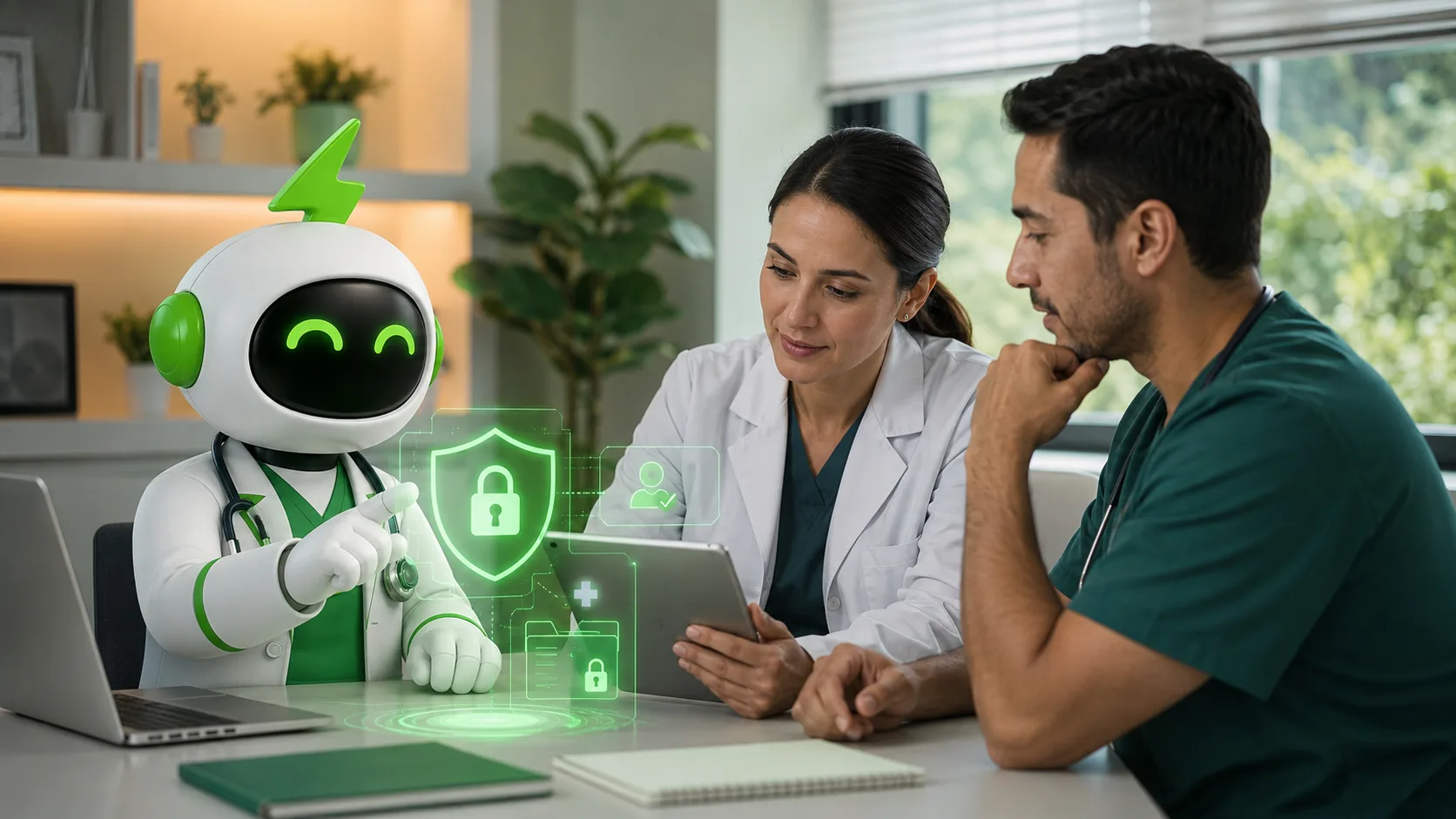
Healthcare data privacy and AI: automating without losing trust
Trust is part of the operation, healthcare automation cannot scale if patient data is not protected. A poorly segmented campaign, exposed clinical data or an integration without traceability affects more than efficiency. It affects trust.

917,000 Missed Medical Appointments in Peru: The Hidden Cost Draining Private Clinics
In Peru, over 917,000 medical appointments are lost every year, none reassigned. Learn how much no show rates are costing your institution and how AI can recover those revenues.

Digital Transformation in Healthcare: COCO Tech AI Facing the Operational Impact of Decree 0182 of 2026
"Revolutionizing healthcare with COCO Tech AI: Navigating Decree 0182's operational impact"