How COCO improves profitability for clinics and hospitals compared with point solutions
A clinic does not become more profitable just by seeing more patients. Profitability improves when the institution reduces no-shows, recovers demand, uses its installed capacity better and removes daily operational friction
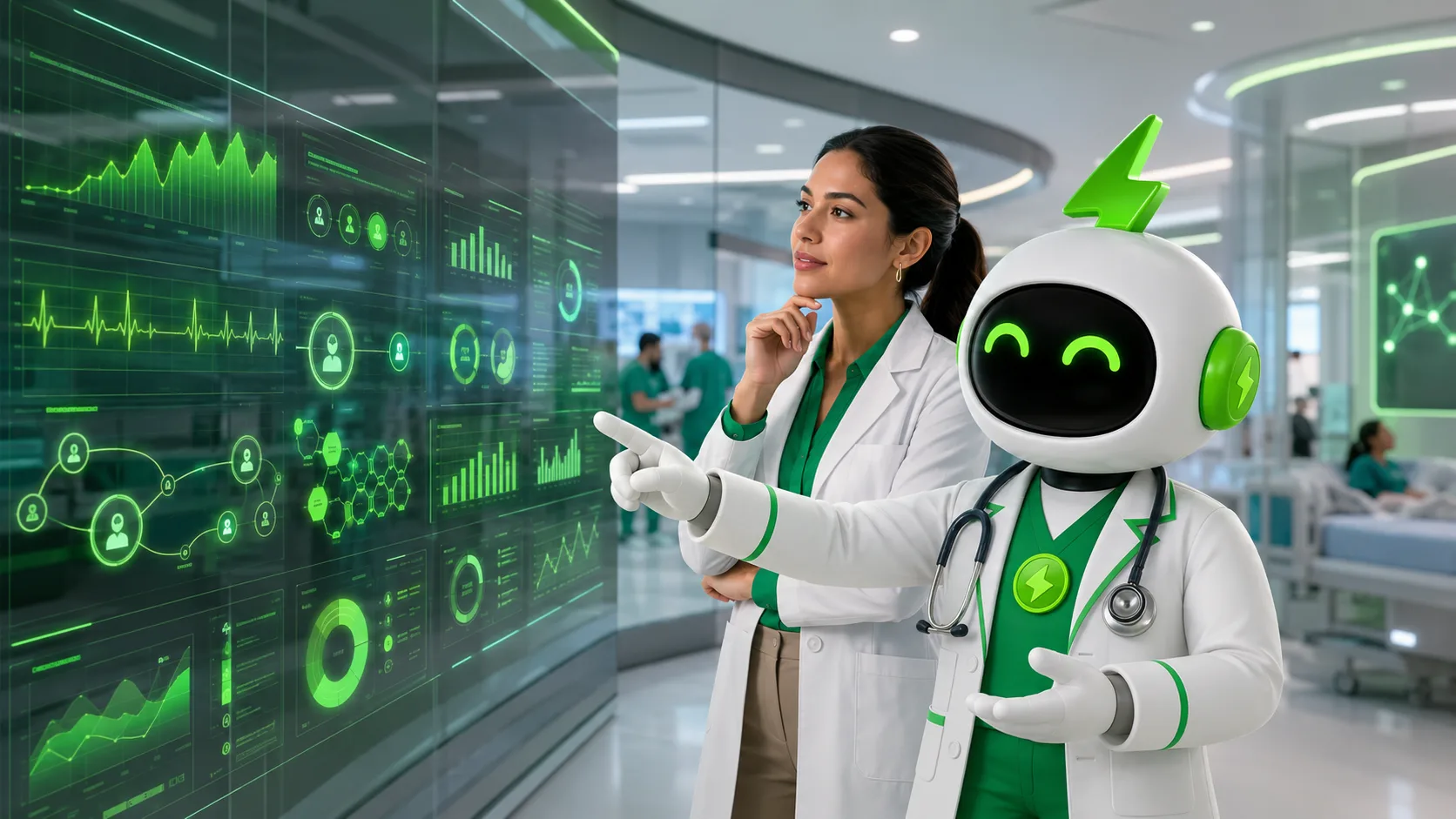
A clinic does not become more profitable just by seeing more patients. Profitability improves when the institution reduces no-shows, recovers demand, uses its installed capacity better and removes daily operational friction.
When scheduling lives in one tool, WhatsApp in another, queues in another, clinical documents in manual processes and surgery planning in spreadsheets, the operation loses control. The team works harder. The patient waits longer. The institution earns less than it could.
At COCO AI & E-HEALTH, we help clinics and hospitals in LATAM connect those points. We are a system of solutions designed to operate better, serve more patients and reduce revenue losses caused by inefficiency.
The problem is not lack of technology. It is lack of connection.
Many healthcare institutions already use digital tools. The problem is that those tools often work as disconnected pieces.
· A calendar that does not recover patients when someone cancels.
· A WhatsApp channel that still depends on administrative teams.
· A waiting room with low visibility into the real patient flow.
· An operating room with schedule, resource or confirmation conflicts.
· Clinical documents that are still reviewed and typed manually.
The result is clear: more operational load, more idle time and less revenue from the same installed capacity.
COCO connects the critical points of healthcare operations
COCO does not work as a single isolated tool. Our platform connects access, scheduling, care delivery, queues, surgery, documents and patient communication. That connection turns scattered processes into a more agile operation.
The outcome is not just digitization. It is more control over the institution’s real capacity.
1. Medical scheduling software to recover demand
COCO medical scheduling software centralizes and automates appointments: from patient request to attendance confirmation.
This helps reduce no-shows, improve schedule occupancy and free the team from repetitive work. The clinic depends less on the call center. The patient gains autonomy. The institution gains traceability.
A better scheduling flow allows the team to react earlier. If there are cancellations, waitlists or unmet demand, COCO helps move that demand into available slots.
2. Telemedicine to expand access without adding friction
COCO telemedicine enables remote care and digital medical appointment management through a technology platform.
This expands coverage, improves access and reduces barriers for patients who cannot always travel. It also helps the institution organize virtual consultations without creating disconnected workflows.
3. Queue management to organize the waiting room
The COCO queue management system helps manage waiting rooms with visual and audio alerts, clear calls and better organization of in-person flow.
When patients know when and where to go, care feels more organized. Administrative pressure drops. The institution gains control over time and experience.
4. Surgery management: every operating room should count
COCO surgery management software automates the surgical route from start to finish to reduce cancellations and increase institutional profitability.
Operating rooms are high-value resources. A poorly coordinated schedule, a pending authorization or an unconfirmed supply can affect revenue, experience and efficiency. COCO helps coordinate rooms, teams, staff and timing with greater visibility.
5. Induced demand to activate patients on time
COCO induced demand in healthcare helps manage patient populations and run WhatsApp, call and SMS campaigns for promotion, prevention and follow-up.
This does more than improve contactability. It helps recover no-show patients, increase adherence and move demand toward the services the institution needs to activate.
6. Clinical OCR to turn documents into useful data
COCO clinical OCR transforms PDFs and images into data that can support scheduling decisions without manual call center intervention.
Less typing means fewer errors, fewer reprocesses and more speed. For a clinic, this means less overloaded teams and more traceable processes.
COCO compared with point solutions
|
Need |
Point solution |
COCO |
|
Medical appointments |
A calendar or call center without active demand recovery. |
Medical scheduling software with self-service, confirmation and traceability. |
|
No-shows |
Manual reminders or campaigns without operational insight. |
Automated communication and induced demand to recover patients. |
|
Waiting rooms |
Manual calls, lines and low visibility into patient flow. |
Queue management system with visual and audio alerts to organize care. |
|
Virtual care |
Video tools disconnected from operations. |
Telemedicine connected to scheduling and institutional management. |
|
Surgeries |
Manual scheduling and limited resource visibility. |
Surgery management software to coordinate rooms, teams and surgical workflows. |
|
Clinical documents |
Manual data entry or generic OCR without healthcare context. |
Clinical OCR that converts PDFs and images into usable data for scheduling decisions. |
Why this impacts profitability
Profitability improves when the operation stops losing capacity to friction. COCO helps in six concrete areas:
· Higher medical schedule occupancy.
· Fewer no-shows and avoidable cancellations.
· More recovered patients through campaigns and follow-up.
· Better flow in waiting rooms.
· Better use of operating rooms and clinical resources.
· Less manual work in documents, validations and communication.
COCO does not replace the human operation. It strengthens it. It gives the team more visibility, fewer repetitive tasks and more capacity to focus on what moves the institution: better care, more patients served and stronger operational control.
Frequently asked questions
How can a clinic improve profitability with AI?
By reducing no-shows, recovering demand, automating repetitive work and using resources better. COCO helps connect those areas into one operational flow.
How is COCO different from traditional scheduling software?
COCO does not only create appointments. Its medical scheduling software connects self-service, confirmation, traceability, waitlists, contact channels and unmet demand.
Does COCO help reduce no-shows?
Yes. COCO supports no-show reduction with confirmations, reminders, self-service channels and induced demand campaigns.
Is COCO built for clinics and hospitals in LATAM?
Yes. COCO is designed for healthcare institutions in LATAM that need more efficiency, better access and lower losses from manual or disconnected processes.
Does COCO include clinical OCR?
Yes. COCO includes clinical OCR to digitize documents, extract data and reduce manual validation in processes that affect scheduling and operations.
Does COCO support surgical operations?
Yes. COCO offers surgery management software to improve coordination across rooms, resources, teams and surgical workflows.
Conclusion
Clinics and hospitals do not need more disconnected tools. They need a connected operation.
COCO helps turn fragmented processes into simpler, measurable and more profitable workflows. From medical scheduling software to surgery management, queues, telemedicine, induced demand and clinical OCR, our focus is clear: less friction, more patients served and better use of every resource.
That is the difference between digitizing tasks and operating with intelligence.
What problem does How COCO improves profitability for clinics and hospitals compared with point solutions address?
How can it be applied in a clinic, hospital, or healthcare provider?
Which indicators should healthcare leaders track?
Do you want to optimize medical scheduling?
See how COCO helps automate access, confirm appointments, and reduce operational workload.
COCO in the press
What independent media have published on this topic.
- El TiempoClinics and hospitals grew appointment management over 24% using AI
- Diario ADNIn Colombia, under 50% of hospitals offer digital scheduling and results
- InfobaeHow AI and automation will transform clinics and hospitals in 2026
- Noticias RCNTrends that will transform clinics and hospitals in 2026
Related articles
Medical Scheduling Software for Latin American Clinics
What medical scheduling software should solve when a clinic needs to connect access, availability, and care flow.
AI Referral and Authorization Automation for Healthcare Providers
A practical guide to automating referrals, orders and authorizations with AI while preserving traceability for healthcare providers.
FHIR and HL7 Interoperability in Colombia: A Practical Guide for Clinics
How to prepare data, processes and teams to connect electronic records, scheduling and operations through interoperability standards.