How AI surgical block optimization increases operating room profitability
An empty operating room is not just unused space. It is lost revenue, idle capacity and a patient who waits longer than needed
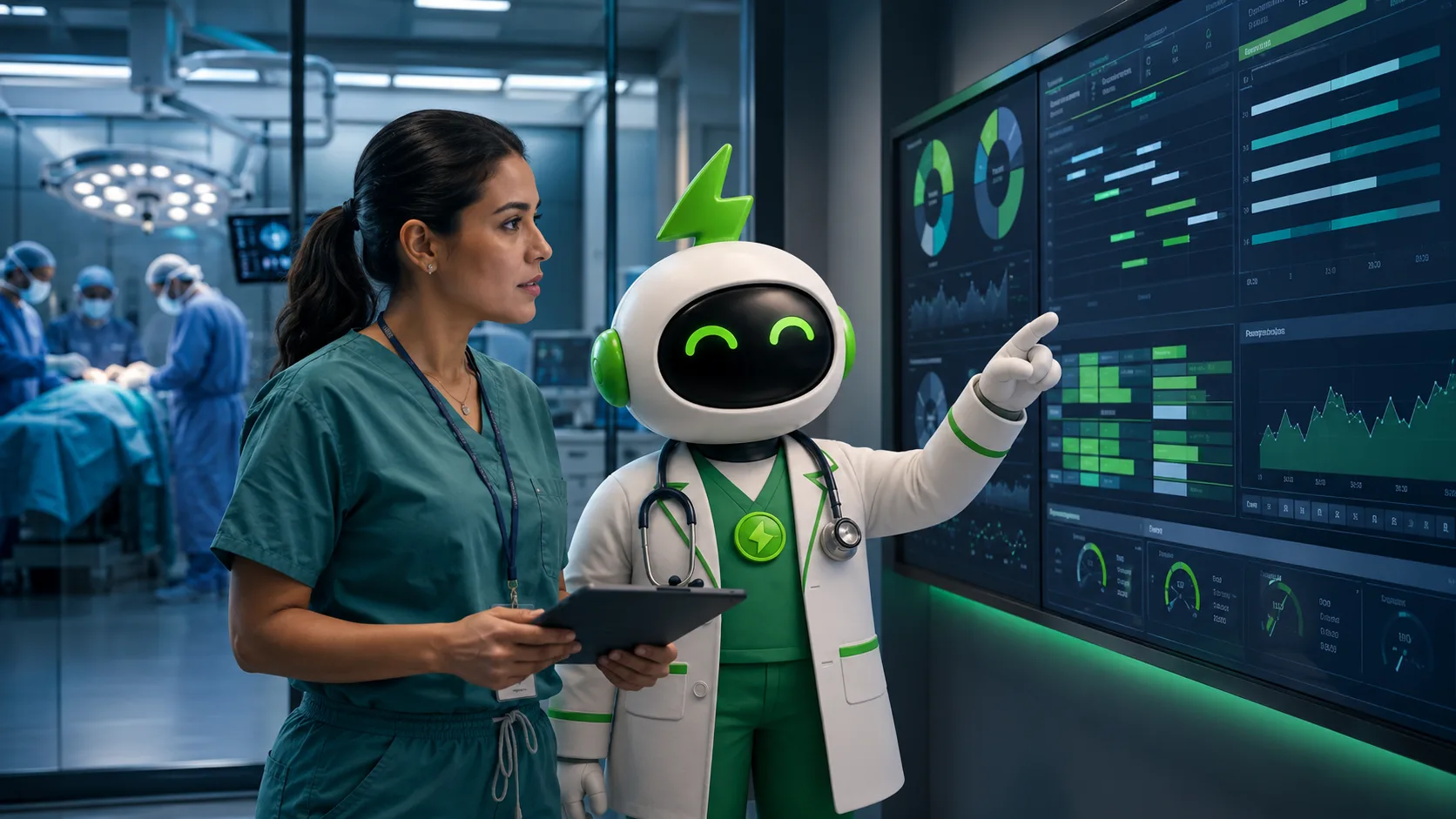
For clinics and hospitals, operating room profitability depends on precision. Rooms, surgeons, anesthesia, equipment, supplies, authorizations and schedules must move as one system. When each piece is managed separately, delays, cancellations and idle time appear.
At COCO, we help turn that operation into a clearer flow. Our surgical management software organizes rooms, coordinates resources and monitors utilization with data. The goal is simple: make every operating room minute more valuable.
The problem is not having more operating rooms. It is using them better
Many institutions already have rooms, specialists and demand. What they lack is visibility. A surgery can be delayed because an authorization is pending, a supply is not confirmed, a room is poorly assigned or the schedule is not updated in time.
· Reserved surgical blocks that remain underused.
· Cancellations that are not replaced fast enough.
· Manual coordination of teams, supplies and equipment.
· Turnover times that grow because the next case is not ready.
· Leaders making decisions without real-time data.
Research on surgery room scheduling shows that coordinating rooms, equipment, patients and surgeons is a complex operational problem. It also shows that optimization models can improve resource allocation and reduce waiting times. External reference on surgical scheduling optimization.
What surgical block optimization means
Surgical block optimization means organizing operating room time so each room is used with greater precision. It is not only about filling the schedule. It is about assigning the right procedure, to the right team, at the right time.
A well-managed surgical block helps define case order, room assignment, required resources and the response plan when something changes.
How COCO helps teams operate with more control
COCO connects surgical scheduling with real operations. We do not leave the schedule as a static file. We turn it into a live tool to coordinate rooms, teams, supplies and data.
· Operating room availability by room, time and team.
· Alerts to detect conflicts before they affect surgery.
· Coordination of supplies, equipment and surgical staff.
· Dashboards for occupancy, cancellations and productivity.
· Traceability to understand what happened and what can improve.
When surgery depends on previous documents, authorizations or test results, clinical OCR software can help read, validate and structure information. When the patient needs to confirm or reschedule, medical scheduling software helps close the loop without overloading the administrative team.
Less idle time. More productivity per room
Surgical profitability improves when the institution reduces three leaks: idle time, avoidable cancellations and administrative rework.
COCO helps anticipate those leaks. If a room becomes available, the team gets visibility to reassign capacity. If a resource is missing, the team sees it earlier. If a case changes, the operation can react with less friction.
Reactive surgical scheduling frameworks show that real-time response matters for keeping schedules feasible, increasing utilization and reducing waiting times. External reference on reactive surgical scheduling.
Why this impacts profitability
· Better use of rooms and installed capacity.
· Fewer cancellations caused by coordination gaps.
· More procedures completed with the same resources.
· Less manual work for administrative and surgical teams.
· Better data for financial and operational decisions.
AI does not replace clinical management. It makes it faster, clearer and more actionable. In operating rooms, that means less improvisation and more control over one of the most important units for financial performance.
How to start
The first step is not changing the entire operation. It is measuring where capacity is being lost: underused rooms, cancellations, turnover time, schedule conflicts and documentation delays.
From there, COCO helps the institution move in stages: visibility first, coordination next, automation after that. This improves the operation without slowing daily work.
FAQ
What is surgical management software?
It is a solution that helps schedule surgeries, coordinate operating rooms, organize resources and measure surgical operations with data.
How does AI help optimize operating rooms?
It helps detect conflicts, prioritize resources, improve room assignment and give visibility into occupancy, cancellations and idle time.
Does COCO integrate with existing systems?
Yes. COCO is designed to work with existing clinical and administrative systems, including HIS, ERP and CRM, depending on each institution's context.
Conclusion
Operating rooms do not need more complexity. They need a clearer operation. COCO helps clinics and hospitals in LATAM organize surgical blocks, reduce friction and increase the profitability of a critical healthcare business unit.
What problem does How AI surgical block optimization increases operating room profitability address?
How can it be applied in a clinic, hospital, or healthcare provider?
Which indicators should healthcare leaders track?
Do you want to optimize surgical operations?
See how COCO helps coordinate operating rooms, resources, and surgical scheduling.
COCO in the press
What independent media have published on this topic.
- El TiempoClinics and hospitals grew appointment management over 24% using AI
- PortafolioSoftware scheduling 140,000+ medical appointments a month wins Ingenio 2025 Award
- Valora AnalitikColombian medical scheduling software wins award
- LatinPymeSoftware scheduling 140,000+ appointments a month wins Ingenio 2025
Related articles

From Scheduling to Revenue: How COCO Pay Organizes Healthcare Collections
A guide for clinics and healthcare providers that want to connect scheduling, payment, confirmation, and reconciliation without adding administrative workload.

Health Data Privacy in Clinical OCR: Controls and Governance
Access rules, traceability, human review and governance: how to keep health data protected when documents pass through OCR and AI.
Clinical interoperability in LATAM: connecting scheduling, OCR and operations without adding friction
Interoperability is no longer just a technical project. It is an operational need. In healthcare, every minute lost between systems affects care. An unconfirmed appointment, an order waiting for manual validation or a schedule that does not update in time creates friction for patients and revenue leakage for providers.