24/7 Medical Appointment Automation: How to Reduce No-Shows and Recover Capacity
Every appointment that is not confirmed, canceled too late, or left unfilled creates two immediate problems: a patient waits longer, and the organization loses capacity and revenue. The issue is not always lack of demand. It is often an operation that cannot react fast enough
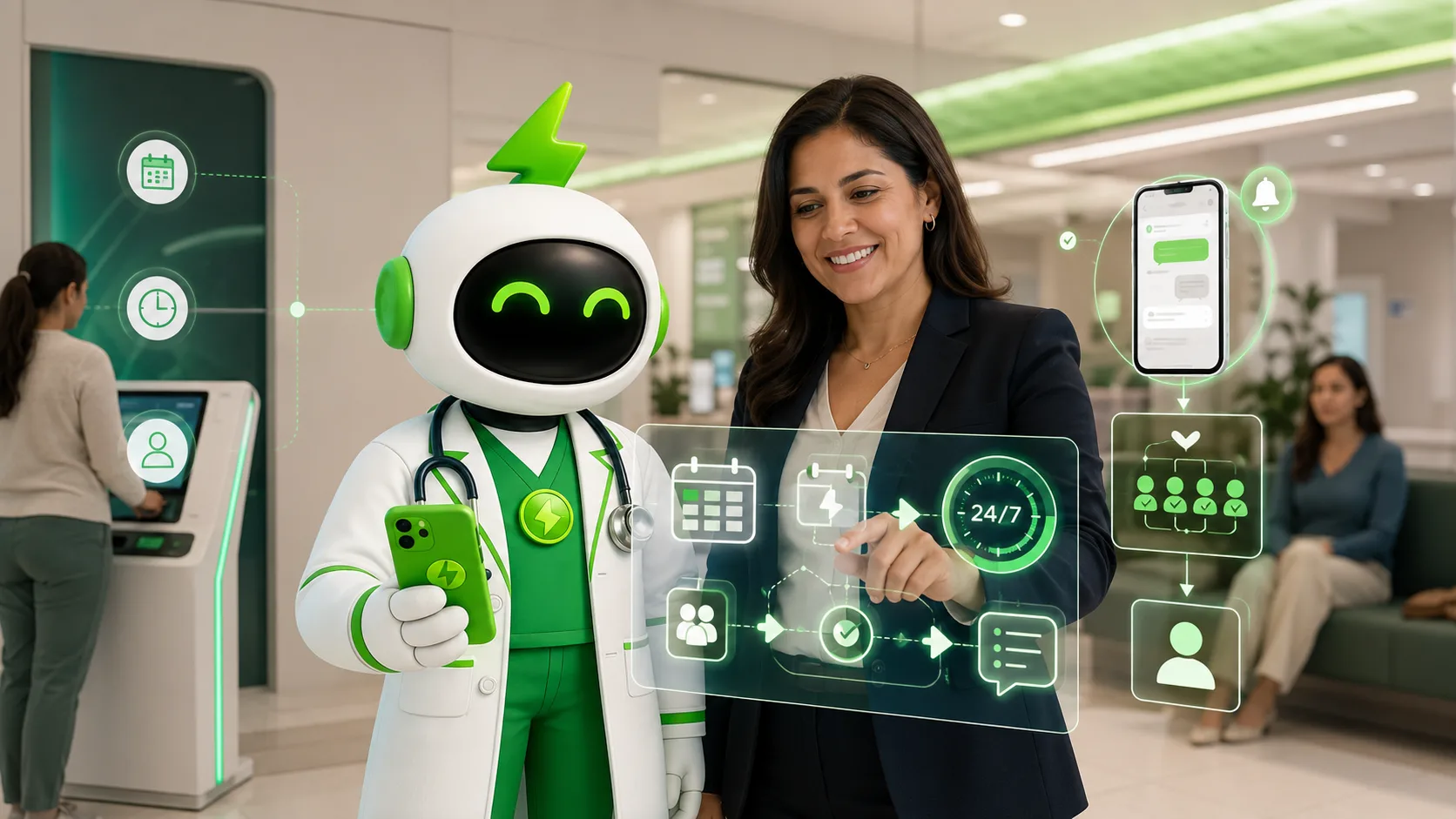
24/7 medical appointment automation changes that. It allows patients to book, confirm, reschedule, or cancel without depending on call center hours. It also helps recover released slots before they become lost capacity.
No-shows do not begin on the day of the appointment
A missed appointment is often the result of accumulated friction: the patient could not reach the clinic, the reminder arrived too late, rescheduling was difficult, or the organization did not act when a slot opened.
· Calls that go unanswered during peak demand.
· Manual confirmations sent too late.
· Cancellations that do not trigger a waitlist.
· Disconnected WhatsApp, web, and call center channels.
· Schedules without real-time operational visibility.
Reducing no-shows requires more than sending a message. It requires connecting the full appointment journey.
What 24/7 appointment automation actually means
It is not simply an online calendar. It is a continuous flow that supports the patient from the first request to the visit.
· Web and WhatsApp self-service for booking, canceling, and rescheduling.
· Availability and operational rule validation before assigning a slot.
· Multichannel reminders through WhatsApp, SMS, and phone calls.
· Automatic confirmation attempts without adding staff workload.
· Waitlist activation when a slot becomes available.
· End-to-end traceability and real-time metrics.
COCO brings these capabilities together in its medical scheduling software, built for clinics and hospitals that need higher occupancy with less operational friction.
1. Self-service removes friction at the first contact
Healthcare organizations lose opportunities when patients can only book during office hours. 24/7 self-service lets people schedule when it is convenient, through a familiar channel, without waiting on a call.
This does not replace the team. It frees staff from repetitive work so they can solve complex cases, support patients, and focus on higher-value activities.
2. Reminders work better when patients can act
A useful reminder does more than inform. It should let the patient confirm, cancel, or reschedule in the same flow. An early response gives the organization time to reorganize capacity.
Available evidence shows that mobile messaging can improve appointment attendance. The impact is stronger when reminders are connected to scheduling, waitlists, and automatic slot recovery.
External reference: Cochrane on mobile reminders and appointment attendance.
3. Recovering a canceled appointment matters more than recording it
When a patient cancels, time becomes critical. If the slot remains empty, productivity is lost and another patient keeps waiting. An intelligent waitlist identifies candidates, reaches out, and reassigns the appointment with full traceability.
This turns a cancellation into an access opportunity and reduces the manual burden of calling multiple patients to fill one slot.
For proactive reactivation and population outreach, COCO also offers patient engagement campaigns through WhatsApp, phone calls, and SMS.
4. Scheduling must connect with the rest of the operation
An isolated calendar creates more rework. Appointment management should integrate with medical records, administrative systems, communication channels, and internal workflows.
HL7 FHIR provides resources for appointments, participants, statuses, availability, and waitlists. It is a useful technical reference for clearer healthcare system integration.
Technical reference: HL7 FHIR Appointment.
5. Real-time metrics help teams act earlier
Automation does not end when the appointment is booked. Healthcare organizations need visibility into occupancy, confirmations, cancellations, no-shows, unmet demand, and response times.
· Confirmation rate by channel.
· Percentage of appointments recovered after cancellation.
· Average time from cancellation to reassignment.
· Occupancy by location, service, and provider.
· No-shows by appointment type and time slot.
· Patients who tried to book but found no availability.
These signals allow teams to intervene before the monthly report. Operations become proactive instead of reactive.
Security: automation should not expose patient data
Scheduling workflows handle sensitive information. Automation must include access controls, traceability, encryption, and clear rules about which data can travel through each channel.
Confidentiality, integrity, and availability are core information security principles. They are also essential when connecting scheduling, messaging, and clinical systems.
External references: ISO/IEC 27001 and HIPAA Security Rule.
How COCO connects the full appointment flow
At COCO, we help clinics and hospitals move from reactive scheduling to a continuous operation. Patients can self-serve. The organization confirms through multiple channels. Released slots are recovered. Teams see what is happening in real time.
· Healthcare-specific medical scheduling software.
· 24/7 web and WhatsApp self-service.
· Automatic multichannel confirmations.
· Unmet demand and intelligent waitlist management.
· Automatic recovery of released slots.
· Integration with HIS, ERP, and CRM platforms.
· Real-time occupancy, attendance, and operational analytics.
For virtual care, COCO can extend the same journey through its telemedicine platform, including digital booking and automated reminders.
Frequently asked questions
What is 24/7 medical appointment automation?
It is a connected flow that allows patients to book, confirm, cancel, reschedule, and recover appointments at any time using real availability and institutional rules.
How does it reduce no-shows?
It combines self-service, multichannel reminders, automatic confirmations, and simple options to cancel or reschedule before the appointment.
What happens when a patient cancels?
An intelligent waitlist can identify interested patients and reassign the slot before it remains unused.
Can it integrate with an EHR or HIS?
Yes. Integration reduces duplicate work and synchronizes patients, availability, statuses, and appointments with existing systems.
How is patient information protected?
Through access controls, encryption, traceability, and data-handling policies aligned with the channels and regulations involved.
Conclusion
Reducing no-shows does not depend on one reminder. It depends on an operation that can react before, during, and after every change in the schedule.
24/7 appointment automation improves access, recovers installed capacity, and reduces manual work. For a clinic or hospital, that means fuller schedules, a simpler patient experience, and a more profitable operation.
What problem does 24/7 Medical Appointment Automation: How to Reduce No-Shows and Recover Capacity address?
How can it be applied in a clinic, hospital, or healthcare provider?
Which indicators should healthcare leaders track?
Do you want to improve patient flow?
See how COCO organizes queues, capacity, and care to reduce unnecessary waiting.
COCO in the press
What independent media have published on this topic.
- El TiempoClinics and hospitals grew appointment management over 24% using AI
- Diario ADNIn Colombia, under 50% of hospitals offer digital scheduling and results
- InfobaeHow AI and automation will transform clinics and hospitals in 2026
- Noticias RCNTrends that will transform clinics and hospitals in 2026
Related articles
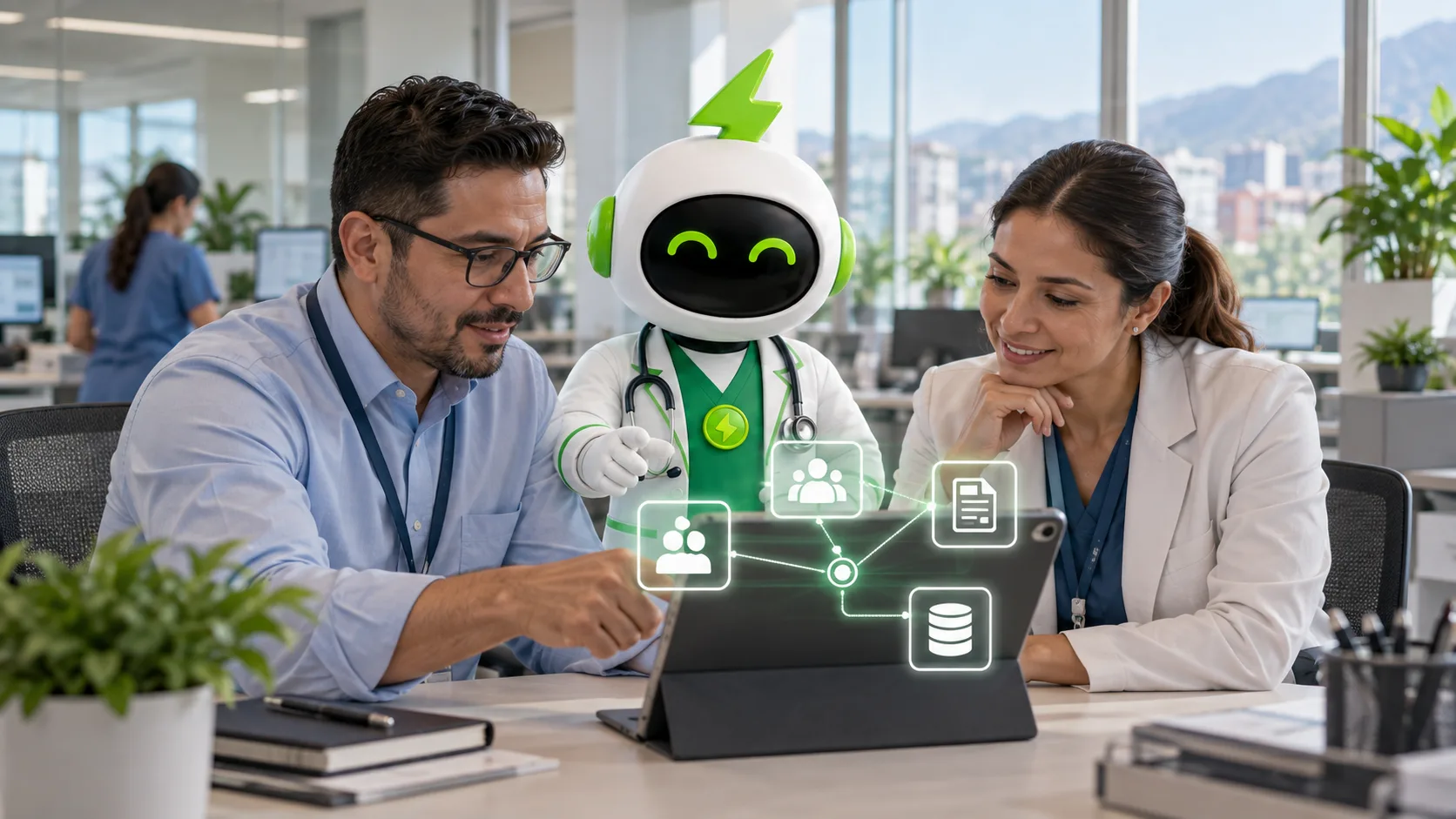
How to Connect Scheduling to an HIS Without Replacing It
A guide to connecting medical scheduling with an HIS, clarifying ownership, and improving access without replacing existing systems.
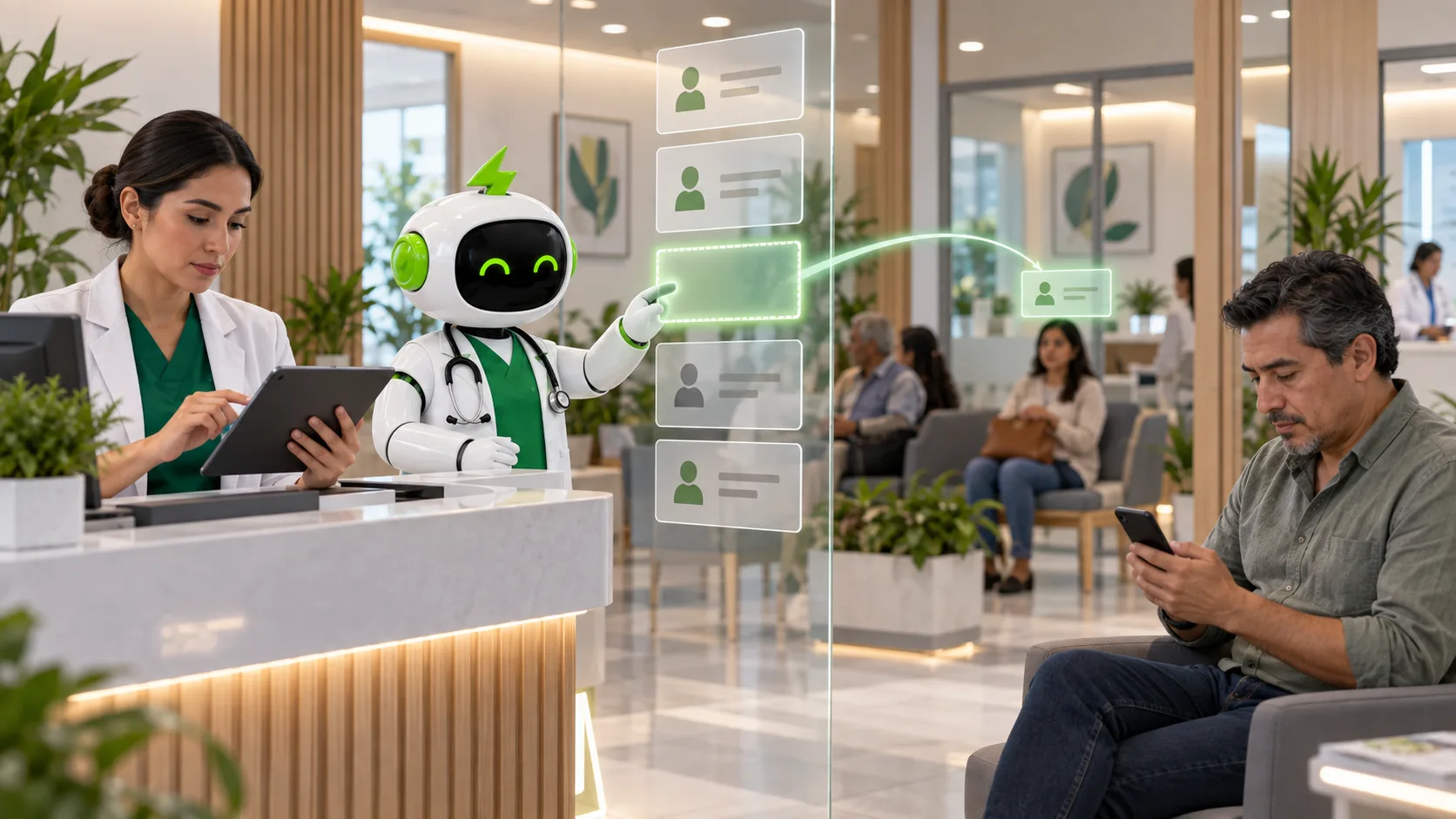
How to Reduce Medical No-Shows with Active Confirmation
Learn how active confirmation helps clinics reduce no-shows and recover appointments before clinical capacity is lost.
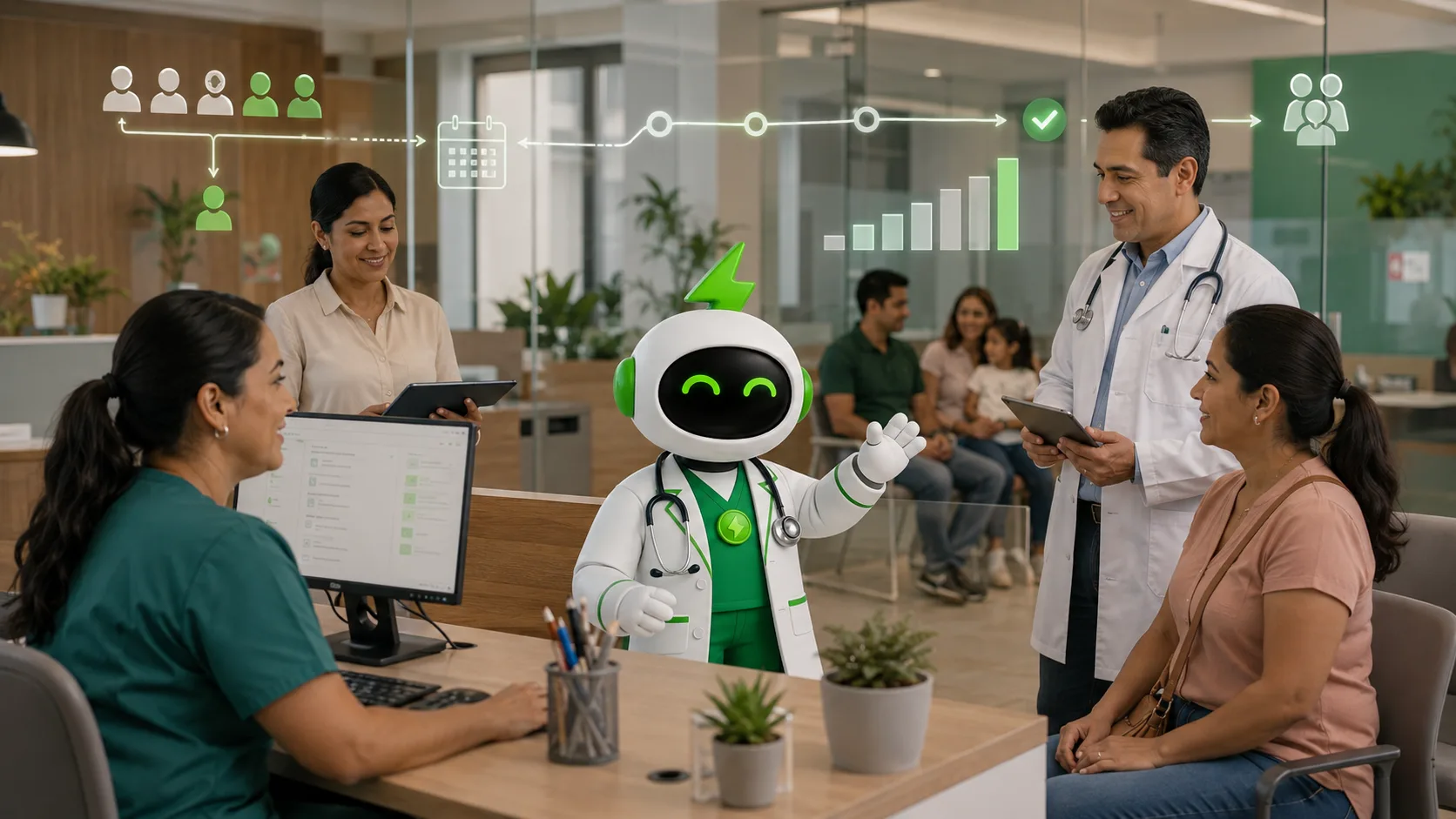
How Clinics Lose Revenue and How COCO Helps Recover It
The revenue leaks behind healthcare organizations and how COCO connects its solutions to recover appointments, capacity, and efficiency in LATAM.