Secure multichannel patient communication: automation with traceability
Patient communication cannot depend only on the call center. It also cannot live in scattered messages, spreadsheets or conversations without traceability
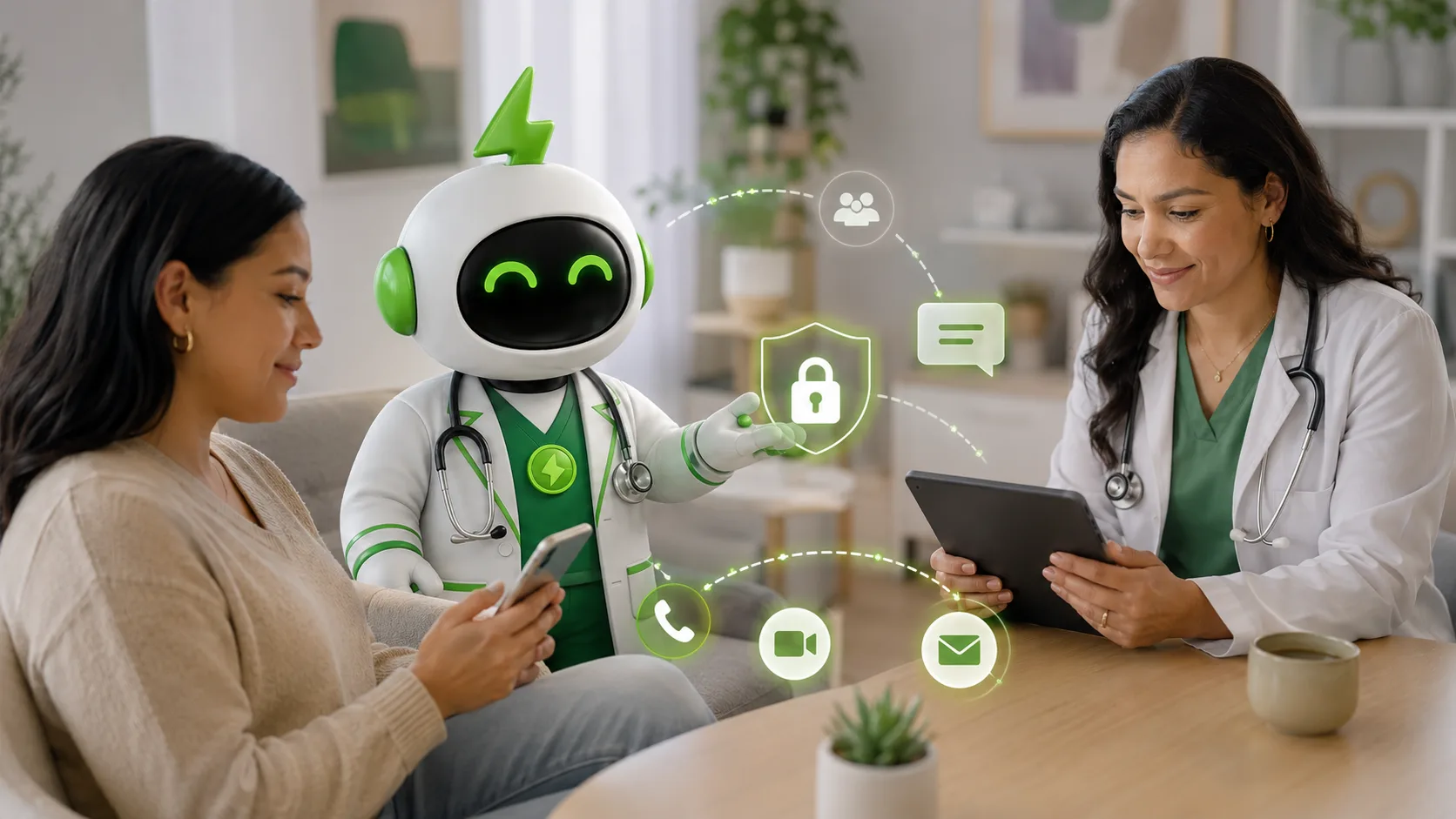
A clinic needs to respond fast, confirm appointments, send reminders, activate patients and follow up. But it also needs to protect data, integrate systems and know what happened in every interaction.
At COCO, we help make communication clearer and safer. Our medical scheduling software and patient engagement campaigns connect channels, data and operations to reduce no-shows and recover capacity.
The risk of automating without control
Message automation is not enough. An institution may send reminders through WhatsApp, SMS or calls, but if those messages are not connected to the HIS, the operation remains incomplete.
· The patient confirms, but the schedule is not updated.
· The team replies manually and loses traceability.
· The same patient receives duplicate messages.
· Information moves without clear access rules.
· Leaders cannot measure which channel works best.
Secure communication needs three layers: integration, control and measurement. Without them, automation creates more noise instead of reducing it.
What secure patient communication needs
A multichannel healthcare strategy must protect both the patient experience and the institution. Sending messages is not enough. Teams need to know who is contacted, through which channel, with what information, under what permission and with what result.
· Consent and clear contact rules.
· Integration with scheduling, HIS or CRM systems.
· Traceability by patient, service and channel.
· Protection of clinical and administrative data.
· Reports to measure attendance, confirmation and demand recovery.
Standards such as HL7 FHIR help structure clinical information exchange. Frameworks such as the HIPAA Security Rule, ISO/IEC 27001 and SOC strengthen the conversation around security, controls and trust in healthcare technology services.
How COCO connects channels, data and operations
COCO does not work like an isolated message blast. We work across the patient journey: contact, confirmation, rescheduling, attendance and follow-up.
· Automatic reminders through WhatsApp, SMS and calls.
· Confirmation and rescheduling with traceability.
· Campaigns to activate patients and recover demand.
· Integration with existing systems to update the operation.
· Real-time metrics to understand what is working.
The telemedicine platform and queue management system complete the experience when care happens through virtual channels or physical locations. The goal is to help patients move forward with less friction while the institution keeps control.
Security that also improves operations
Security should not feel like a blocker. When it is well implemented, it helps teams work better. It defines permissions, organizes data, reduces duplication and makes decisions auditable.
COCO works with a clear logic: the right data, in the right system, for the right team. That makes automation possible without losing control.
Where the impact appears
· Fewer no-shows through timely reminders.
· More confirmed appointments without overloading the call center.
· More patients recovered from lists and campaigns.
· Less rework from disconnected data.
· More leadership confidence through traceable reports.
WHO's global strategy on digital health reinforces the need for technology to improve access, efficiency and responsible use of data. External reference: WHO global digital health strategy.
FAQ
What is multichannel patient communication?
It is the coordination of channels such as WhatsApp, SMS, calls, web and telemedicine to contact patients with traceability and clear operational rules.
Why does security matter in medical reminders?
Because reminders may be connected to personal data, appointments, services and care status. The institution must protect that information and control who can access it.
Can COCO support patient campaigns?
Yes. COCO helps activate patients, recover demand, confirm appointments and measure results through campaigns connected to the operation.
Conclusion
Patient communication must be fast, but also secure. COCO helps clinics and hospitals automate outreach, reduce no-shows and recover demand without losing traceability, integration or control over data.
What problem does Secure multichannel patient communication: automation with traceability address?
How can it be applied in a clinic, hospital, or healthcare provider?
Which indicators should healthcare leaders track?
Do you want to optimize medical scheduling?
See how COCO helps automate access, confirm appointments, and reduce operational workload.
COCO in the press
What independent media have published on this topic.
Related articles
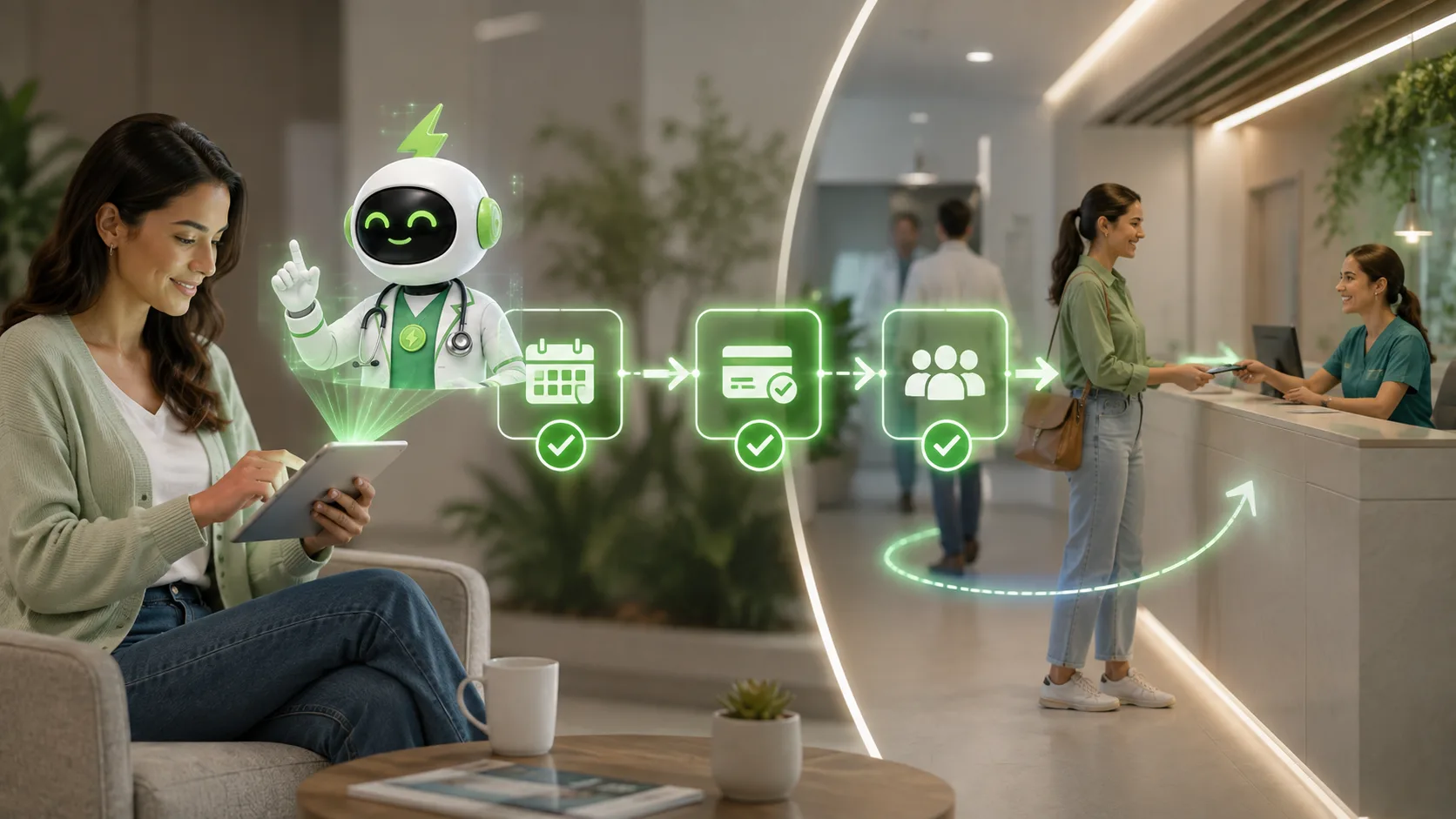
From Scheduling to Revenue: How COCO Pay Organizes Healthcare Collections
A guide for clinics and healthcare providers that want to connect scheduling, payment, confirmation, and reconciliation without adding administrative workload.
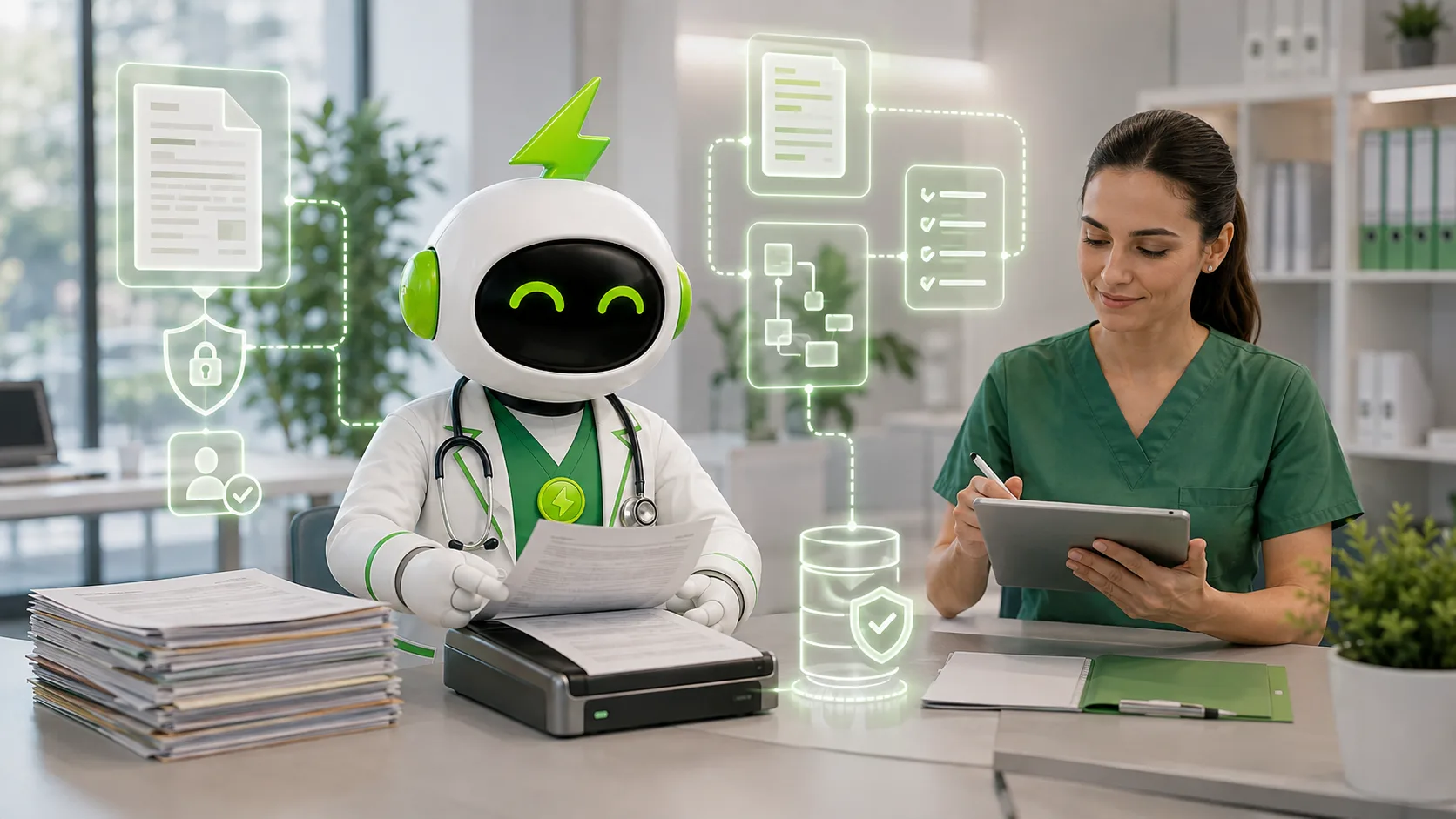
Health Data Privacy in Clinical OCR: Controls and Governance
Access rules, traceability, human review and governance: how to keep health data protected when documents pass through OCR and AI.
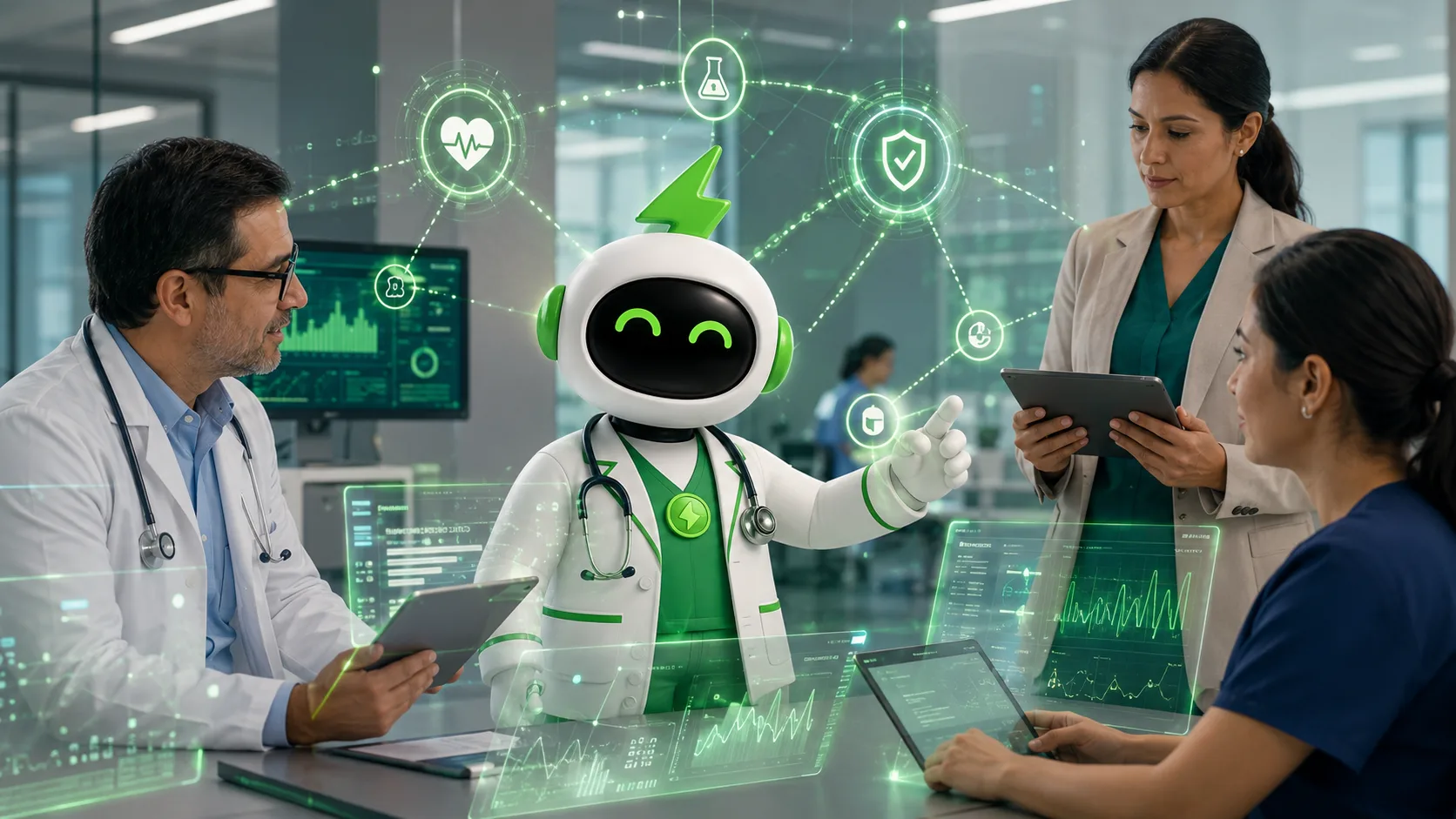
Clinical interoperability in LATAM: connecting scheduling, OCR and operations without adding friction
Interoperability is no longer just a technical project. It is an operational need. In healthcare, every minute lost between systems affects care. An unconfirmed appointment, an order waiting for manual validation or a schedule that does not update in time creates friction for patients and revenue leakage for providers.