What is telemedicine and how it works in clinics and hospitals in Colombia
What telemedicine is, its types (synchronous, asynchronous, telemonitoring), the legal framework of Resolution 2654, and how it integrates into a clinic's scheduling flow.
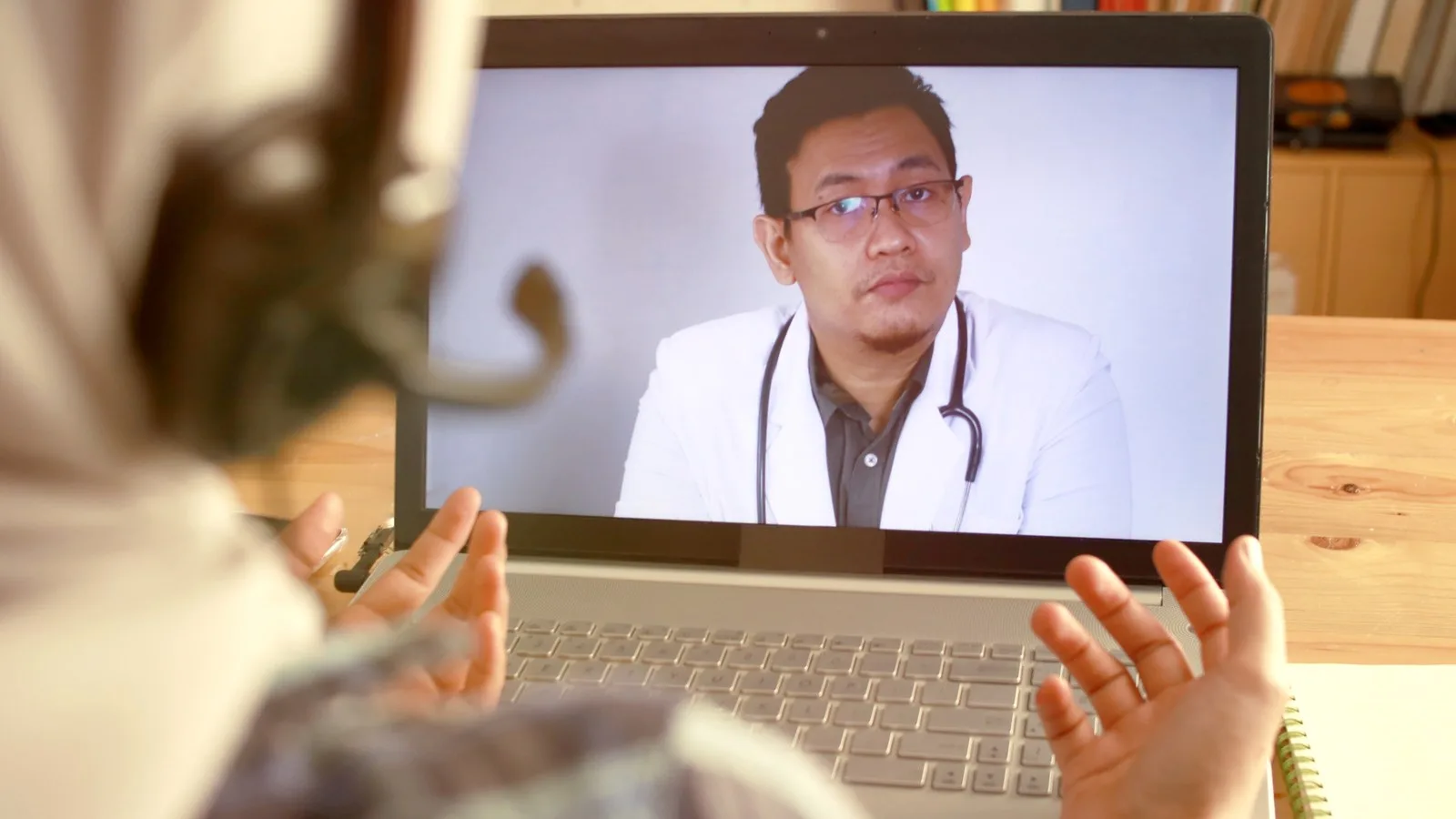
Telemedicine is the delivery of health services at a distance, using information and communication technologies to connect physicians with patients and, in some cases, professionals with each other. The definition is short. What changes between improvised telemedicine and a serious clinical operation is everything else: the flow, the integration with scheduling, regulatory compliance, and the connection with the rest of the operation. For a clinic or hospital in Colombia, understanding these pieces well is what separates adopting a tool from implementing a service that truly extends care capacity.
Telemedicine, in clinical and operational terms
In clinical terms, telemedicine is the performance of care acts, consultations, monitoring, interconsultation, without patient and professional being in the same physical place. In operational terms, it is a care model that requires technological infrastructure, defined protocols, patient authorizations, and proper recording in the clinical record, just like any in-person care.
The essential difference from an in-person consultation is not the medium: it is the organization. A WhatsApp call or an email message do not constitute telemedicine in the Colombian regulatory sense. For telemedicine to work as a recognized care service, it requires a licensed platform, a scheduling process similar to in-person care, structured clinical recording, and compliance with the sector's regulatory framework.
Legal framework of telemedicine in Colombia: Resolution 2654 and related regulations
In Colombia, telemedicine is regulated mainly by Resolution 2654 of 2019 of the Ministry of Health, which establishes the general provisions for the delivery of health services through telemedicine. Together with complementary regulations, this framework defines several key points any institution must understand before implementing:
- Recognized modalities. The regulation distinguishes between tele-guidance, tele-support, interactive (synchronous) telemedicine, non-interactive (asynchronous) telemedicine, and telemonitoring. Each modality has specific requirements.
- Service licensing. The institution must have specific licensing for the telemedicine services it offers, within the Single Licensing System. Having licensing for in-person consultation is not enough.
- Platforms and connection. The platform used must meet security, reliability, and availability requirements. The regulation requires the connection to support audio and video of sufficient quality for the consultation and to allow proper clinical recording.
- Patient consent. The patient must grant specific consent for telemedicine care, distinct from the general consent for care.
- Processing of sensitive data. All clinical information generated in a telemedicine consultation falls into the sensitive-data category regulated by Law 1581 of 2012, overseen by the Superintendence of Industry and Commerce.
Before implementing telemedicine, it is advisable to verify the updated version of Resolution 2654 and subsequent regulations with the institution's legal team or regulatory advisor, since the framework is updated periodically.
The three main types of telemedicine and when each one fits
Synchronous (interactive) telemedicine
It is the best-known modality: patient and physician connect in real time by videoconference. It works well for follow-up visits, second opinions, assessment of non-urgent symptoms, mental health, and many medical specialties that do not require an extensive physical exam.
The operational flow is similar to an in-person consultation: appointment scheduling, confirmation, connection at the indicated time, care, clinical recording, prescription, and referral if applicable. The difference is that the patient is at home or at another connected care center.
Asynchronous (non-interactive) telemedicine
In this modality, patient and professional do not coincide in time. The patient sends information, images, symptom descriptions, test results, and the professional responds within a defined timeframe. It is useful for interconsultation between specialists, image assessment, results follow-up, and cases where immediacy is not critical.
Operationally it requires clear response-time protocols, recording of the interactions, and continuity assurance in case of emergencies detected during the asynchronous assessment.
Telemonitoring (remote monitoring)
It applies especially to chronic patients whose follow-up is done through devices that transmit clinical data, glucometers, blood-pressure monitors, cardiac monitors, oximeters, to a platform that analyzes them and allows early intervention when values fall out of range. It is a modality with special value for diseases such as diabetes, hypertension, COPD, and heart failure.
Telemonitoring requires coordination with the scheduling of in-person or virtual appointments when the data indicates a need for intervention, which connects this modality with the rest of the clinical operation.
How a telemedicine flow works in a clinic operating with COCO
A serious telemedicine service is not an isolated tool: it is an integral part of the care flow. When a telemedicine platform is well designed, patient and physician go through a flow that is structurally equivalent to the in-person one, with technology adapted for distance.
The typical flow has six steps:
- Request and scheduling. The patient requests the appointment through the same channels as for in-person consultation. The system verifies availability, the appropriate modality (synchronous or asynchronous), and schedules the slot.
- Confirmation and preparation. Automated reminders, sending of the connection link, verification of informed consent for telemedicine, and preparation of prior clinical information.
- Connection to the consultation. At the scheduled time, patient and physician connect through the platform. Identity and connection quality are verified and care begins.
- Clinical care. A structured consultation recorded in the electronic health record, exactly as in person. If a prescription is required, an electronic prescription with regulatory validity is generated.
- Closing and follow-up. Recommendations are delivered, controls are scheduled if applicable, and the appointment is closed with complete records.
- Continuity of care. If the telemedicine consultation indicates a need for in-person care, emergencies, or complementary studies, the system automatically schedules the continuity without the patient having to repeat the entry process.
At COCO we operate telemedicine as one more modality of intelligent scheduling, not as a separate system. The patient enters the same engine that manages in-person consultation, virtual slots are predicted and recovered with the same AI logic, and information flows without duplication between modalities.
The operational and financial impact of well-implemented telemedicine
Well-implemented telemedicine produces four operational effects leadership can measure. We present them over an applied scenario: a mid-complexity Colombian clinic that incorporates synchronous telemedicine for 30% of its outpatient follow-up visits.
- Capacity expansion without building. Virtual consultations do not occupy physical consulting rooms. A clinic that allocates 30% of follow-up demand to teleconsultation frees rooms for first consultations or procedures. Effective capacity rises without infrastructure investment.
- No-show reduction in virtual consultations. Attendance at teleconsultation tends to be higher than in person, especially for patients who must travel from afar. No-show reductions of 4 to 8 percentage points in the virtual modality are common.
- Greater geographic coverage. Patients who live far from the care center access the service without travel. For clinics with a regional vocation, this opens demand that was previously not serviceable.
- Cost-of-access optimization. The operating cost per teleconsultation is usually lower than in person, mainly due to less use of physical infrastructure and greater physician scheduling capacity.
In financial terms, a clinic with 2,000 monthly appointments that incorporates synchronous telemedicine for 30% of its follow-up visits can add effective capacity equivalent to several physical consulting rooms with no associated investment, which represents tens of millions of pesos a month in additional potential revenue.
Frequently asked questions
What is the difference between telemedicine and telehealth?
Telehealth is a broader concept that covers all health services delivered at a distance, including health education, professional training, and promotion and prevention. Telemedicine refers specifically to the delivery of care services (consultation, monitoring, interconsultation) mediated by technology. All telemedicine is telehealth; not all telehealth is telemedicine.
Does a WhatsApp consultation count as telemedicine?
No, in the Colombian regulatory sense. Telemedicine requires licensed platforms, structured clinical recording, specific informed consent, and compliance with the regulatory framework. A WhatsApp conversation can be useful for resolving specific doubts or tele-guidance, but it does not constitute a care act recognized as telemedicine.
Can telemedicine completely replace the in-person consultation?
No, nor should it try to. Telemedicine extends care capacity and resolves consultations where the physical exam is not essential. There are consultations, procedures, and examinations that require physical presence. The correct integration combines both modalities according to clinical criteria, not as substitutes for one another.
How is the patient's identity validated in a telemedicine consultation?
Through protocols that combine identity-document verification, platform authentication, and visual validation during the synchronous consultation. Serious platforms include these steps as a standard part of the flow, not as optional settings.
Telemedicine, well implemented, stops being a parallel service and becomes part of the institution's core care flow. At COCO we support Colombian clinics and hospitals making that integration: telemedicine as a modality of the same scheduling engine, with compliance with Resolution 2654 and structured clinical protocols. If you want to see how telemedicine would be incorporated into your institution's flow without creating operational duplication, book a conversation through our telemedicine platform.
What problem does What is telemedicine and how it works in clinics and hospitals in Colombia address?
How can it be applied in a clinic, hospital, or healthcare provider?
Which indicators should healthcare leaders track?
Do you want to expand care through telemedicine?
See how COCO connects remote care with a more organized clinical operation.
COCO in the press
What independent media have published on this topic.
- Diario ADNIn Colombia, under 50% of hospitals offer digital scheduling and results
- PortafolioSoftware scheduling 140,000+ medical appointments a month wins Ingenio 2025 Award
- Valora AnalitikColombian medical scheduling software wins award
- LatinPymeSoftware scheduling 140,000+ appointments a month wins Ingenio 2025
Related articles
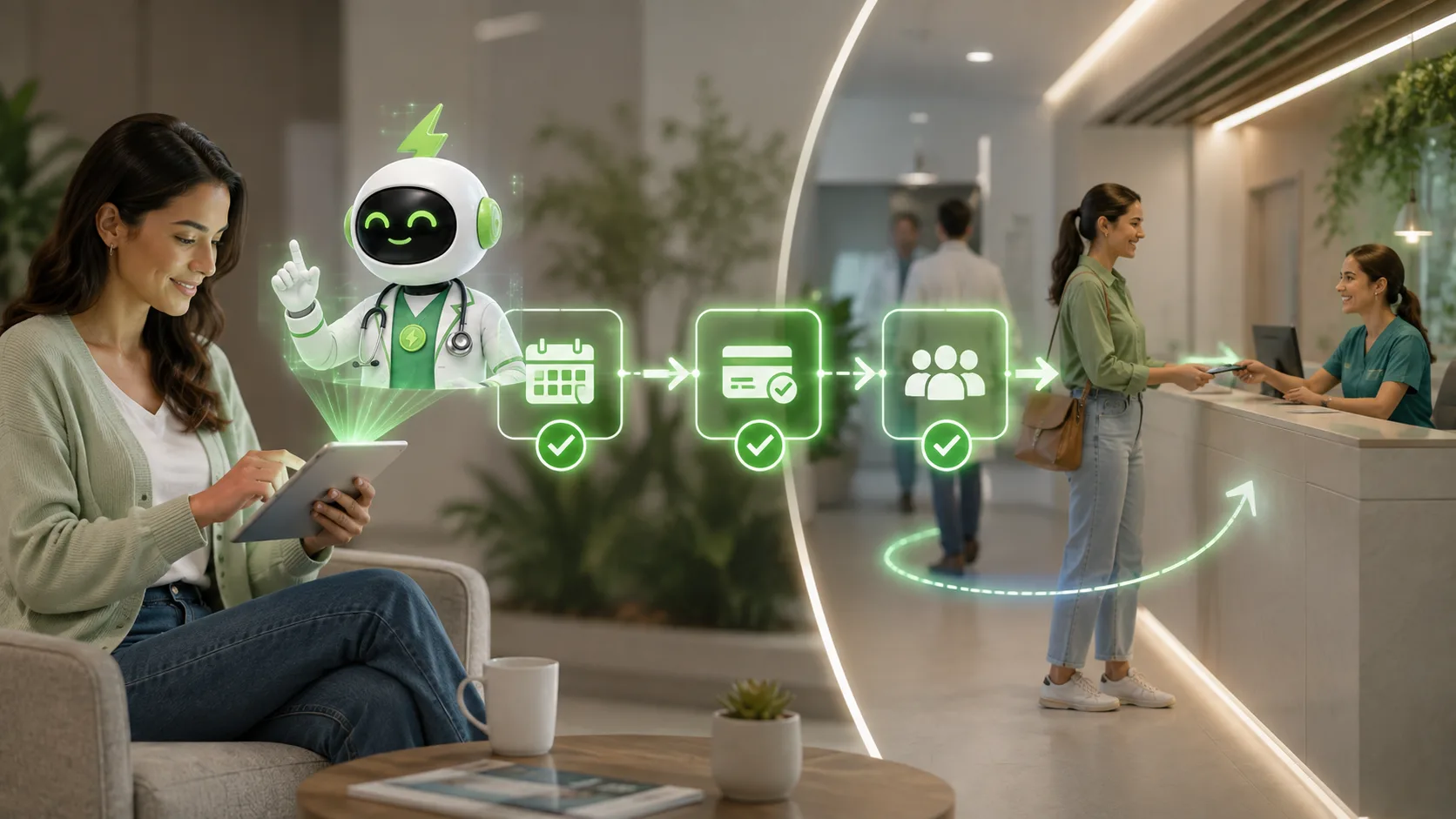
From Scheduling to Revenue: How COCO Pay Organizes Healthcare Collections
A guide for clinics and healthcare providers that want to connect scheduling, payment, confirmation, and reconciliation without adding administrative workload.
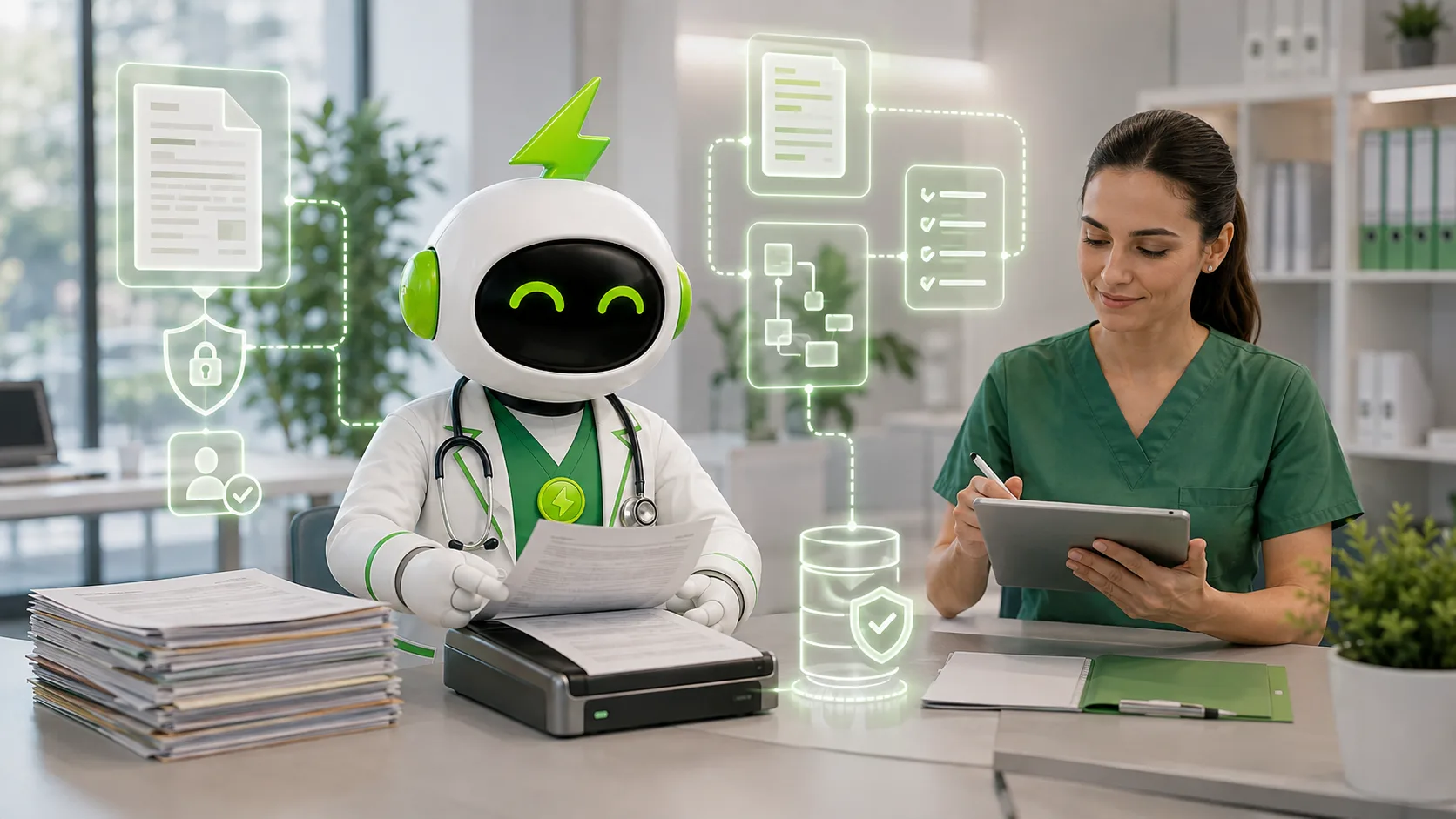
Health Data Privacy in Clinical OCR: Controls and Governance
Access rules, traceability, human review and governance: how to keep health data protected when documents pass through OCR and AI.
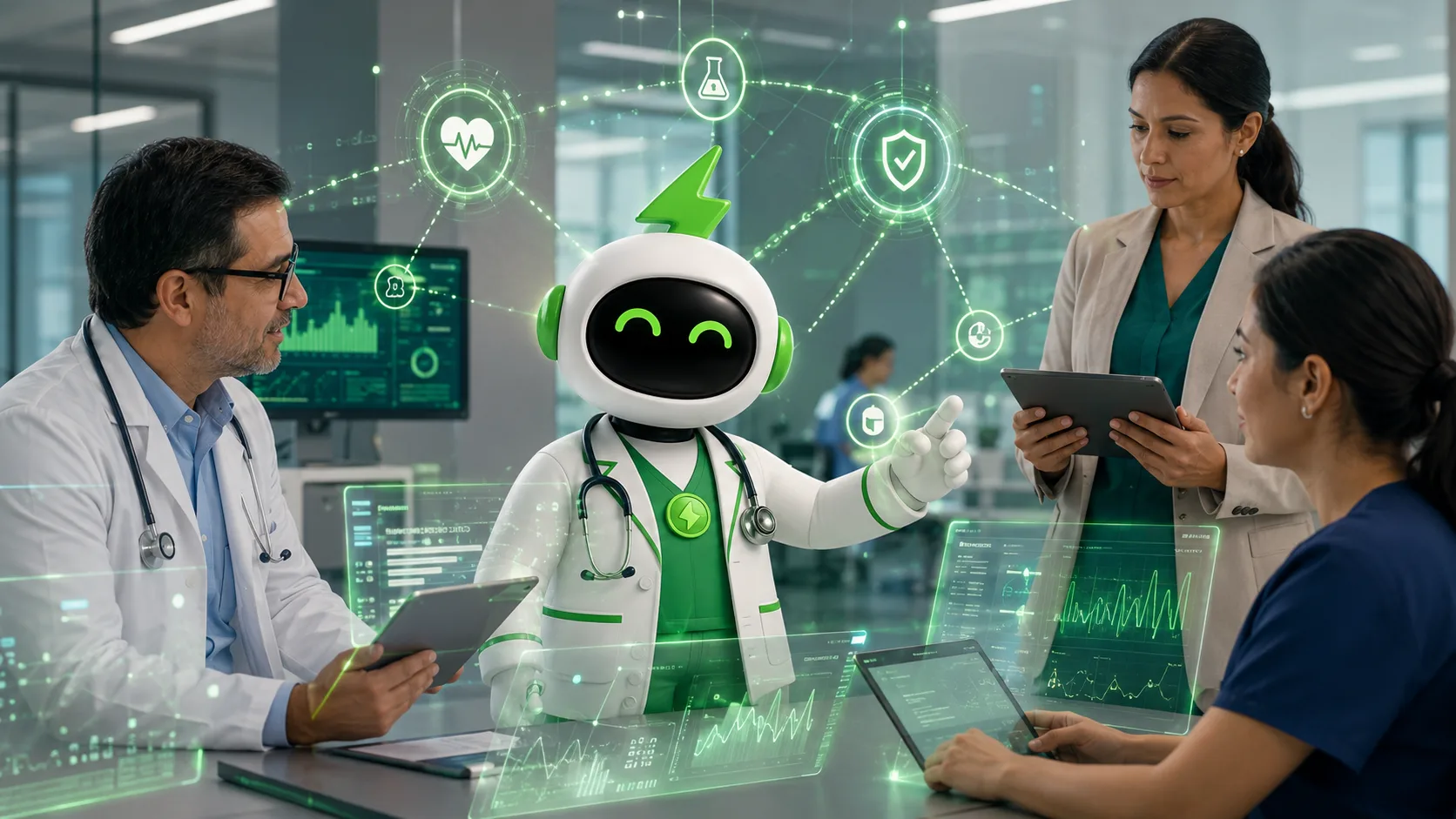
Clinical interoperability in LATAM: connecting scheduling, OCR and operations without adding friction
Interoperability is no longer just a technical project. It is an operational need. In healthcare, every minute lost between systems affects care. An unconfirmed appointment, an order waiting for manual validation or a schedule that does not update in time creates friction for patients and revenue leakage for providers.