Screenings and prevention in Peru: technology to help more patients complete their care journey
Preventive campaigns need more than medical slots: they require outreach, confirmation, attendance and measurable follow-up.
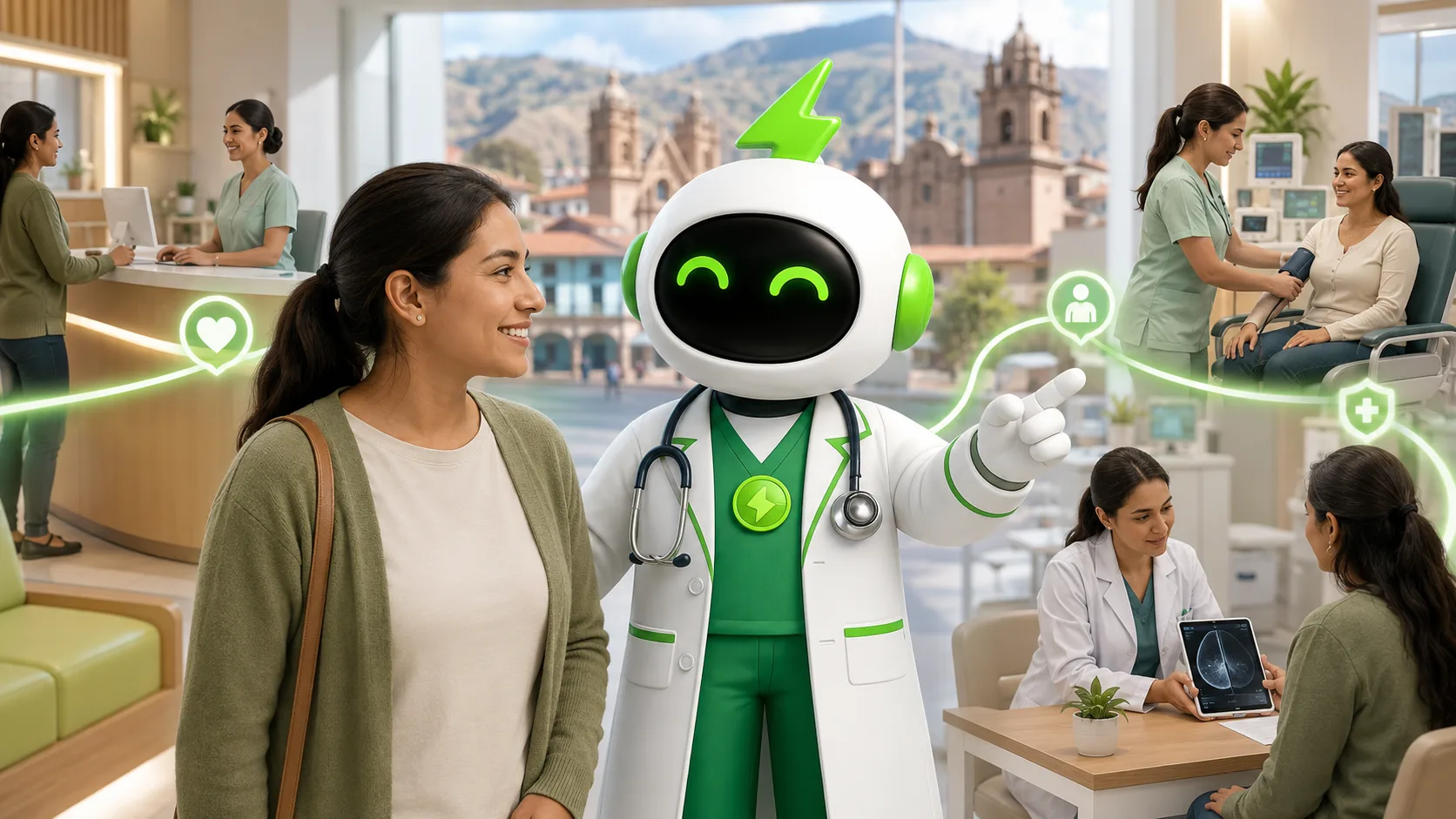
Prevention in healthcare depends on more than medical availability. For a screening campaign to have impact, patients must be identified, invited, confirmed, seen and followed over time. If one of those steps fails, the campaign loses reach.
In June 2026, media outlets such as Diario Correo, NTEVE and PressPeru highlighted late disease detection and the role of technology in strengthening preventive campaigns.
The challenge is completing the process
In preventive campaigns, many institutions can design the medical offer but face obstacles when contacting patients, reducing no-shows and ensuring continuity. Scattered records, manual calls and lack of follow-up mean that part of the invited population never reaches the evaluation.
Patient engagement campaigns help organize that journey. With automation, an institution can segment risk groups, send reminders, confirm attendance, reschedule missed visits and measure results by site, campaign or service.
Prevention with follow-up
- Invite patients by age, risk, previous diagnosis or active campaign.
- Automate reminders through WhatsApp, SMS, email or voice.
- Confirm attendance before preventive appointments.
- Reschedule patients who did not attend or complete the process.
- Measure contact, attendance and continuity rates.
Regional experience shows that a preventive campaign does not depend only on the medical act. It also depends on the operation that happens before and after the appointment. When that operation is digital, teams can focus on clinical decisions and on supporting patients who need more guidance.
From isolated campaigns to sustainable programs
For COCO Tech AI, prevention becomes stronger when campaigns stop being isolated efforts and become measurable programs. With operational data, institutions can know which patients were contacted, who confirmed, who did not attend and what actions are needed to close the gap.
Technology does not replace medical prevention. It makes prevention more reachable. In a system with high chronic disease burden and late diagnoses, every patient who completes a screening on time represents a real opportunity to change the prognosis.
From invitation to outcome
A preventive campaign is not measured only by how many messages were sent. It is measured by how many people were contacted, how many confirmed, how many attended, how many completed the screening and how many received follow-up. That chain requires coordination.
The June media coverage highlighted concerning figures around late cancer detection, comorbidities in adults and childhood anemia. Although each clinical problem requires its own strategy, they share one operational challenge: getting patients to preventive evaluations on time.
Why many preventive campaigns fail
- Incomplete databases or no segmentation by risk.
- Manual outreach that is difficult to scale.
- Patients who do not confirm or forget the appointment.
- Absences without timely recovery or rescheduling.
- Limited visibility into results by site, service or population group.
When the operation does not measure those points, institutions may assume that the problem is lack of patient interest. In reality, there is often a barrier around contact, timing, reminders or ease of rescheduling.
Automation to expand reach
Automation makes it possible to combine segmentation, personalized messages, reminders, confirmations and follow-up. In preventive campaigns, this helps teams avoid depending exclusively on manual calls and focus on higher-risk patients or cases that require human support.
COCO Tech AI can support these programs by connecting patient engagement, scheduling, reminders and reporting. A campaign does not end when an invitation is sent: it continues until attendance is confirmed, operational results are recorded and patients who did not complete the process are recovered.
Sustainable prevention
The final goal is to turn isolated campaigns into sustainable programs. To do that, institutions need to know what worked, which channel performed best, where no-shows were concentrated and which groups require reinforcement. Technology provides that traceability.
In prevention, every step matters. A timely reminder, simple rescheduling or a well-managed follow-up list can be the difference between early detection and a late diagnosis.
What problem does Screenings and prevention in Peru: technology to help more patients complete their care journey address?
How can it be applied in a clinic, hospital, or healthcare provider?
Which indicators should healthcare leaders track?
Do you want to activate patients and recover capacity?
See how COCO helps reach patients, fill available slots, and support continuity of care.
COCO in the press
What independent media have published on this topic.
- El TiempoClinics and hospitals grew appointment management over 24% using AI
- El ColombianoCOCO Tecnologías brings its AI to Costa Rica for cervical cancer prevention
- Blu RadioColombian AI technology reaches Costa Rica to prevent women's cancer
- PortafolioSoftware scheduling 140,000+ medical appointments a month wins Ingenio 2025 Award
Related articles
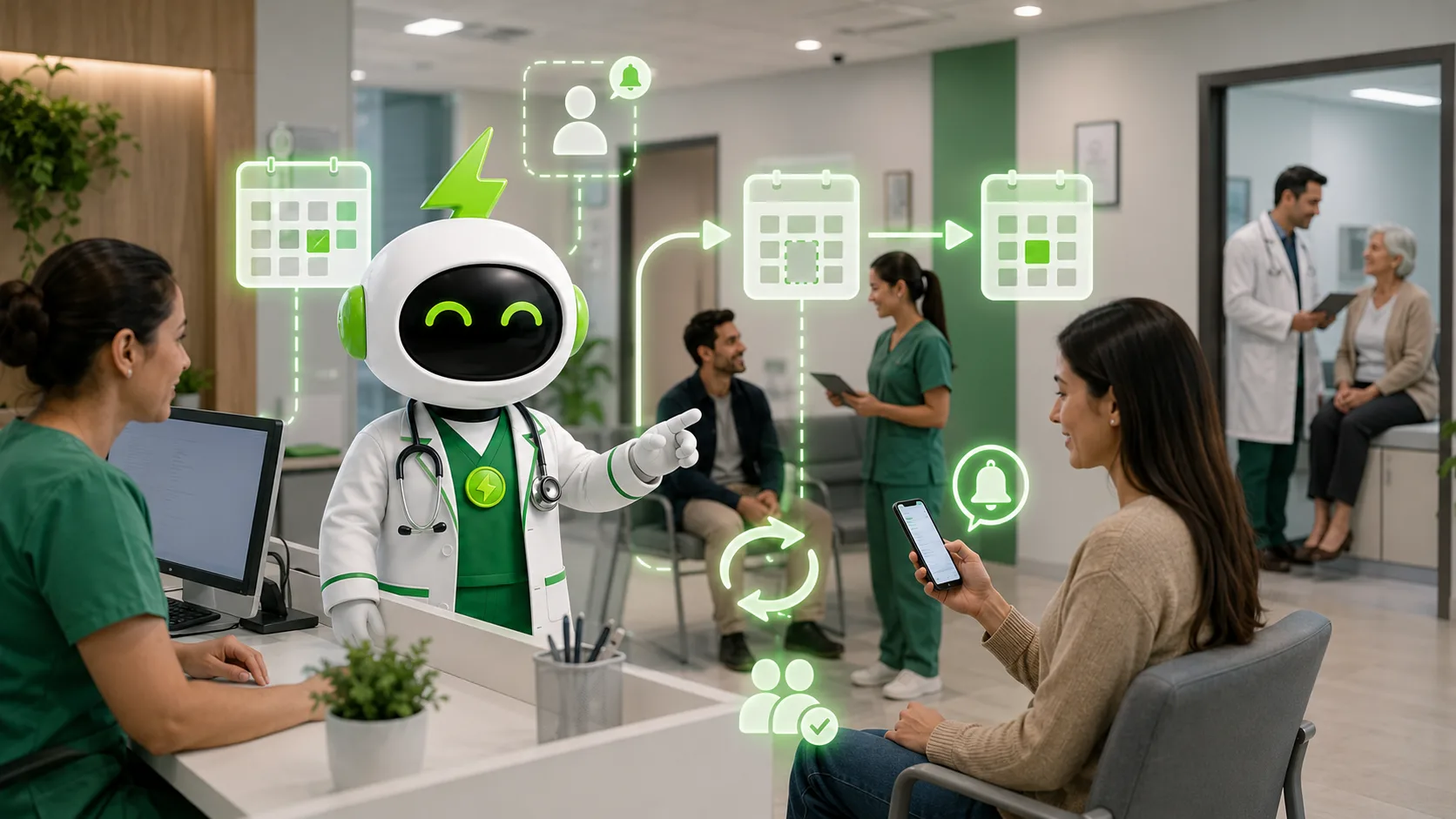
Medical Scheduling Software for Latin American Clinics
What medical scheduling software should solve when a clinic needs to connect access, availability, and care flow.
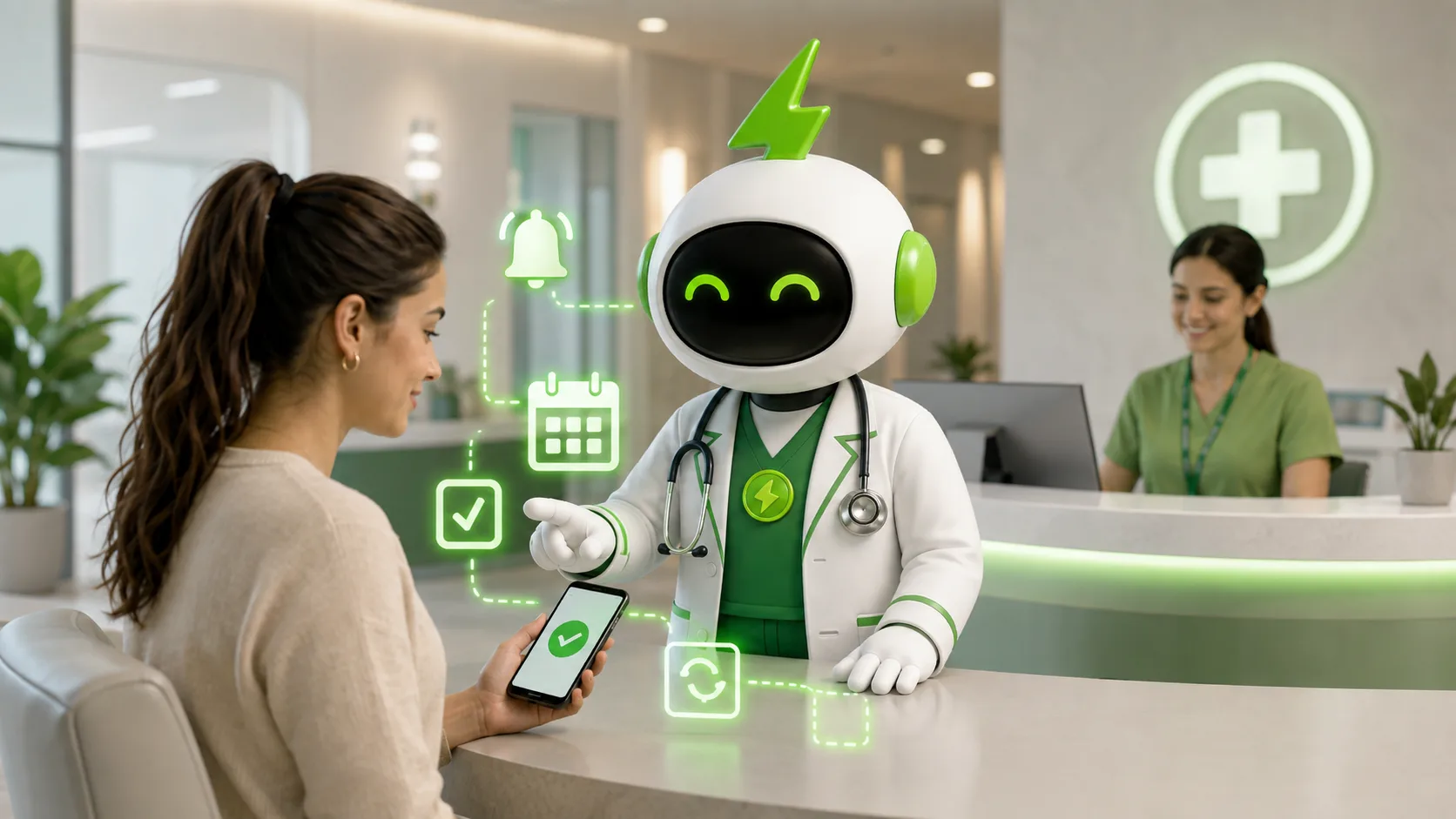
AI Referral and Authorization Automation for Healthcare Providers
A practical guide to automating referrals, orders and authorizations with AI while preserving traceability for healthcare providers.
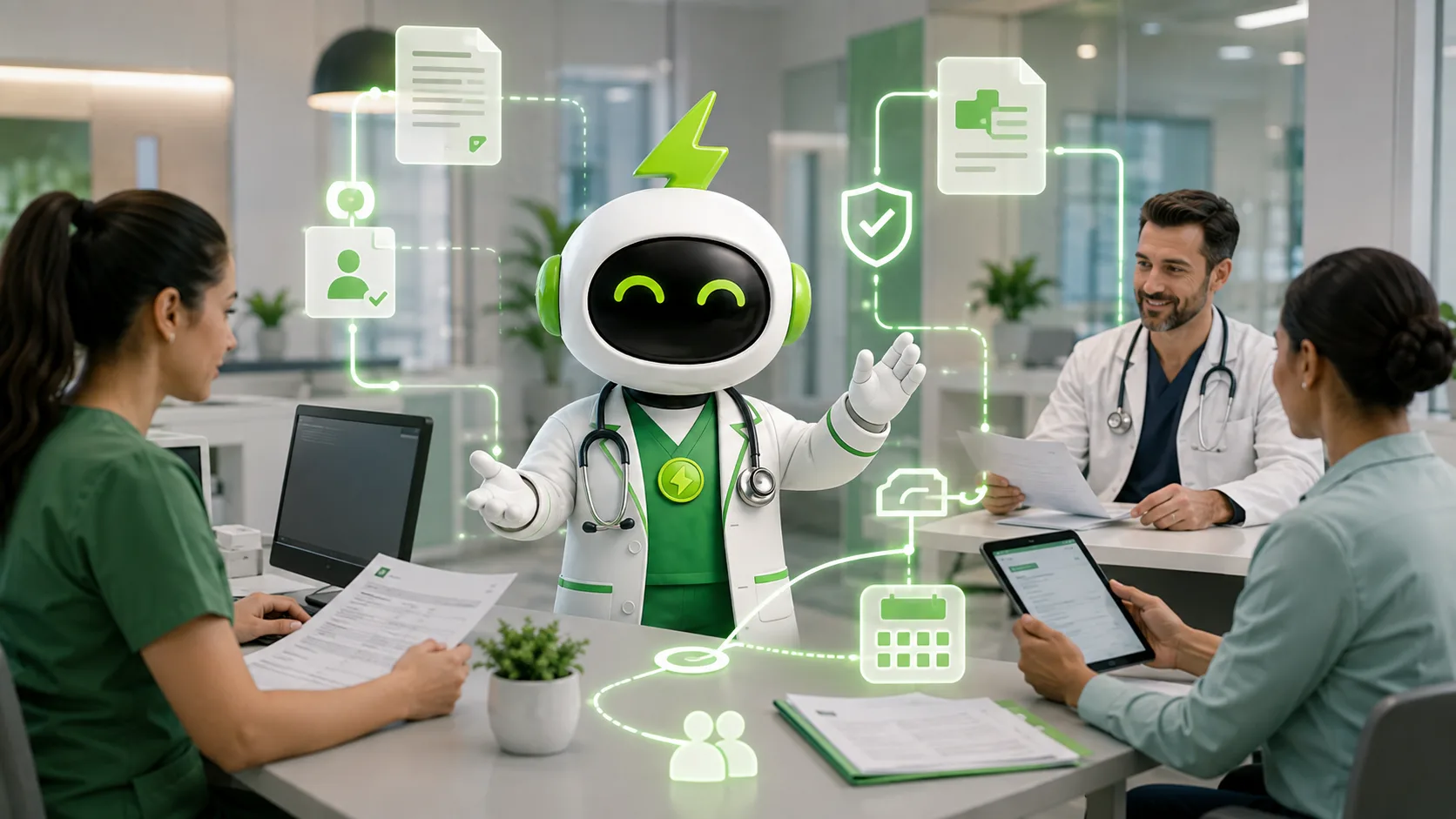
FHIR and HL7 Interoperability in Colombia: A Practical Guide for Clinics
How to prepare data, processes and teams to connect electronic records, scheduling and operations through interoperability standards.