Digital health gains ground in Peru: how healthtech can ease healthcare bottlenecks
Digital health in Peru is moving from isolated pilots to solutions that connect appointments, waiting rooms, operating rooms, clinical documents and patient communication.
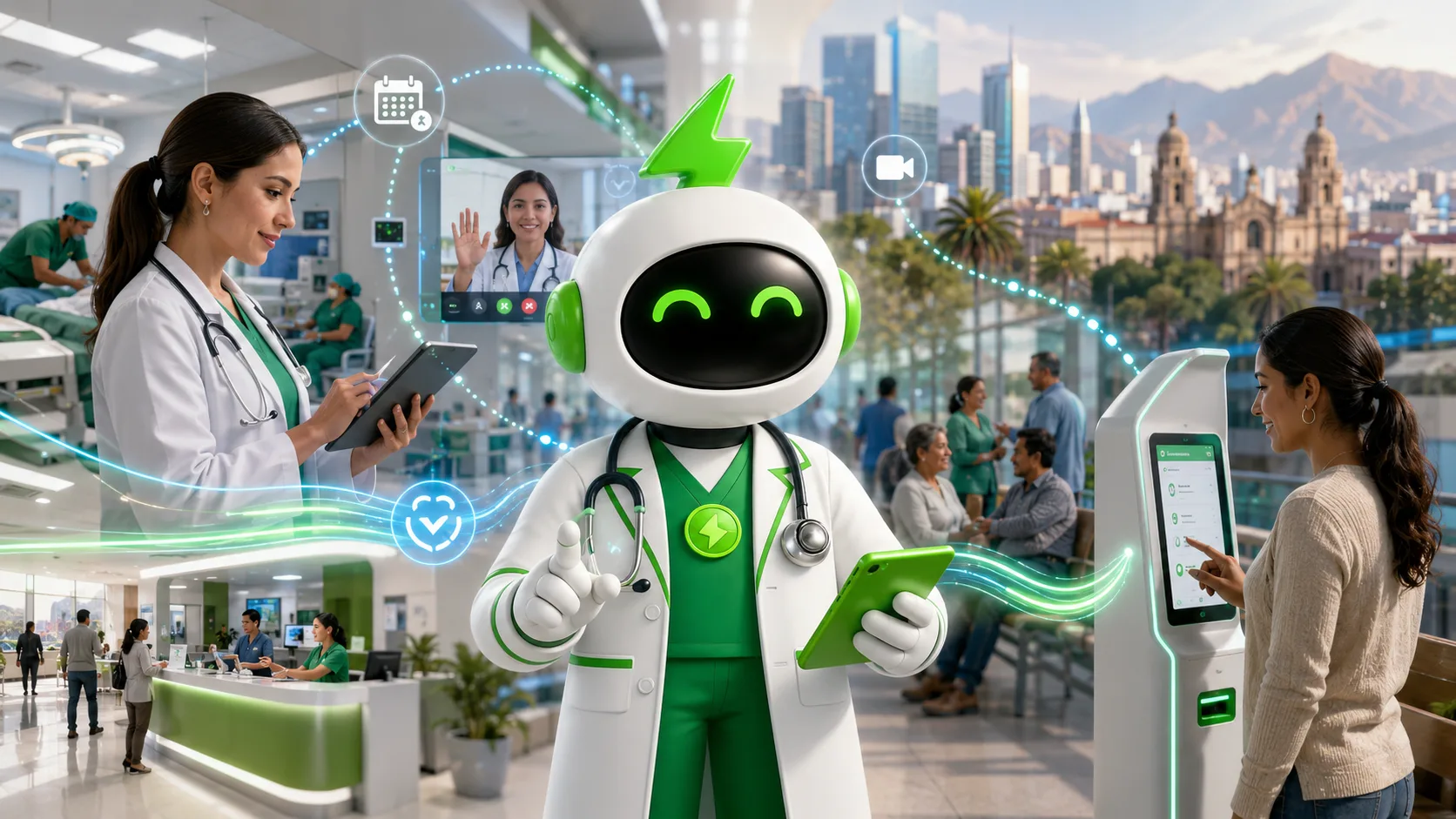
Digital health in Peru is no longer a future-facing conversation. In April 2026, Peruvian media highlighted the rise of healthtech companies as a practical response to bottlenecks affecting clinics, hospitals and public healthcare systems.
The goal is not to replace medical staff or shorten consultations at the expense of quality. The challenge is to coordinate existing capacity more effectively: schedules, confirmations, waiting rooms, operating rooms, clinical documents and patient communication.
More efficiency without expanding infrastructure
According to Infobae Peru, artificial intelligence and automation can help increase assigned appointments and improve operational returns for healthcare institutions. The opportunity is to use technology to make better use of resources that often already exist but remain fragmented.
Solutions such as COCO's medical scheduling software open digital channels, automate confirmations and reduce repetitive operational work. Patients experience a clearer care journey, while administrative teams depend less on scattered manual processes.
Processes that healthtech can transform
- Medical appointment scheduling and slot reassignment.
- Reminders, confirmations and multichannel patient communication.
- Waiting room and queue management in high-volume sites.
- Clinical document digitization through OCR.
- Operating room scheduling and installed capacity coordination.
Digital transformation in healthcare must be gradual, measurable and patient-centered. For COCO Tech AI, the value is not in adding one more tool, but in connecting processes that usually operate separately: scheduling, patient communication, demand management, in-site flow and operational analytics.
A regional conversation
COCO brings regional experience across thousands of care workflows and supports healthcare institutions that want to improve access, continuity and efficiency. In Peru, where appointment pressure and waiting times remain significant, digital health offers a way forward that does not depend only on new buildings or physical expansion.
The next step for clinics, hospitals and healthcare networks is to move from isolated initiatives to connected operating models. When scheduling, communication and operations work together, patient experience improves and institutions gain better visibility for decision-making.
Why this topic gained momentum in 2026
The media interest did not appear in isolation. PR reports from April to June 2026 show coverage in outlets such as Infobae, El Comercio, Diario Médico, El Peruano and Correo, with a shared conversation: healthcare systems need better access and efficiency without relying only on new infrastructure.
In that context, COCO Tech AI appears within a broader regional trend: healthcare institutions looking to organize demand, recover lost capacity, reduce administrative workload and offer simpler digital journeys for patients.
Five areas where digital health creates value
- Access: digital channels to request, confirm or reschedule appointments without depending only on phone calls.
- Capacity: better use of rooms, professionals, operating rooms and available time slots.
- Continuity: reminders and follow-up to reduce abandonment across the care journey.
- Documentation: clinical OCR to reduce manual validation and speed up authorizations.
- Management: operational analytics to detect bottlenecks by site, service or time slot.
Infobae highlighted the growth of the Latin American healthtech market and the potential operational impact of automation on assigned appointments and return on investment. For clinics and hospitals, that matters because it turns digitalization into a management decision, not just an innovation project.
What clinics should review before digitalizing
Digitalization does not mean buying fragmented technology. Before choosing a solution, an institution should review how many channels it uses to schedule appointments, how many slots are lost, what percentage of patients confirm, how long authorizations take and how visible the operation is for leadership.
When those answers are scattered, teams operate by intuition. When they are connected in one platform, the institution can prioritize actions: recover slots, reinforce a site, automate preventive campaigns or reorganize waiting-room flow.
COCO's role in the conversation
COCO Tech AI is not limited to a digital calendar. Its approach connects scheduling, reminders, patient engagement, queue management, surgical management, clinical OCR and reporting. That integrated vision matters for Peru because many access gaps are explained by disconnected operations.
What problem does Digital health gains ground in Peru: how healthtech can ease healthcare bottlenecks address?
How can it be applied in a clinic, hospital, or healthcare provider?
Which indicators should healthcare leaders track?
Do you want to optimize medical scheduling?
See how COCO helps automate access, confirm appointments, and reduce operational workload.
COCO in the press
What independent media have published on this topic.
- El TiempoClinics and hospitals grew appointment management over 24% using AI
- Diario ADNIn Colombia, under 50% of hospitals offer digital scheduling and results
- InfobaeHow AI and automation will transform clinics and hospitals in 2026
- Noticias RCNTrends that will transform clinics and hospitals in 2026
Related articles
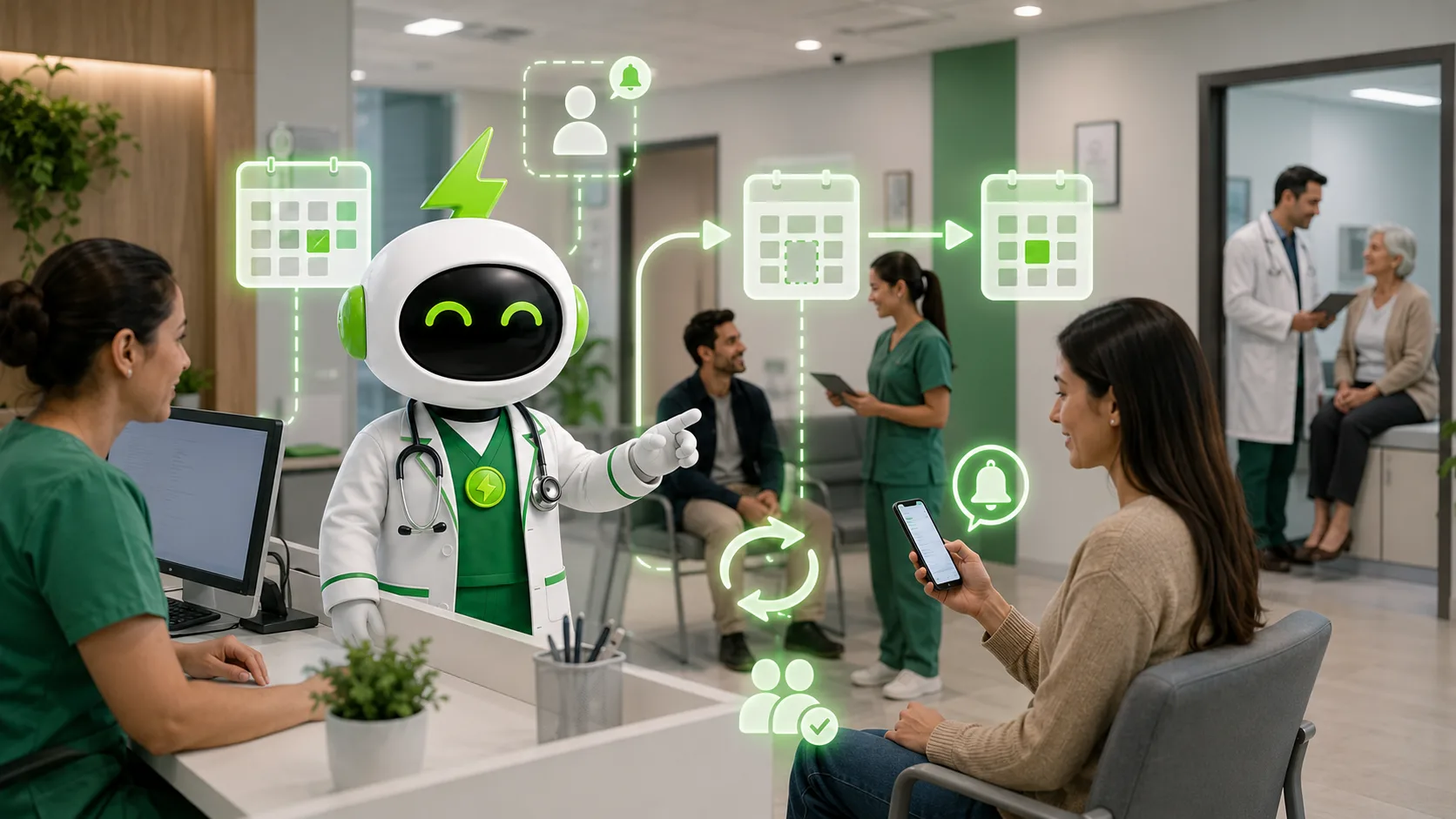
Medical Scheduling Software for Latin American Clinics
What medical scheduling software should solve when a clinic needs to connect access, availability, and care flow.
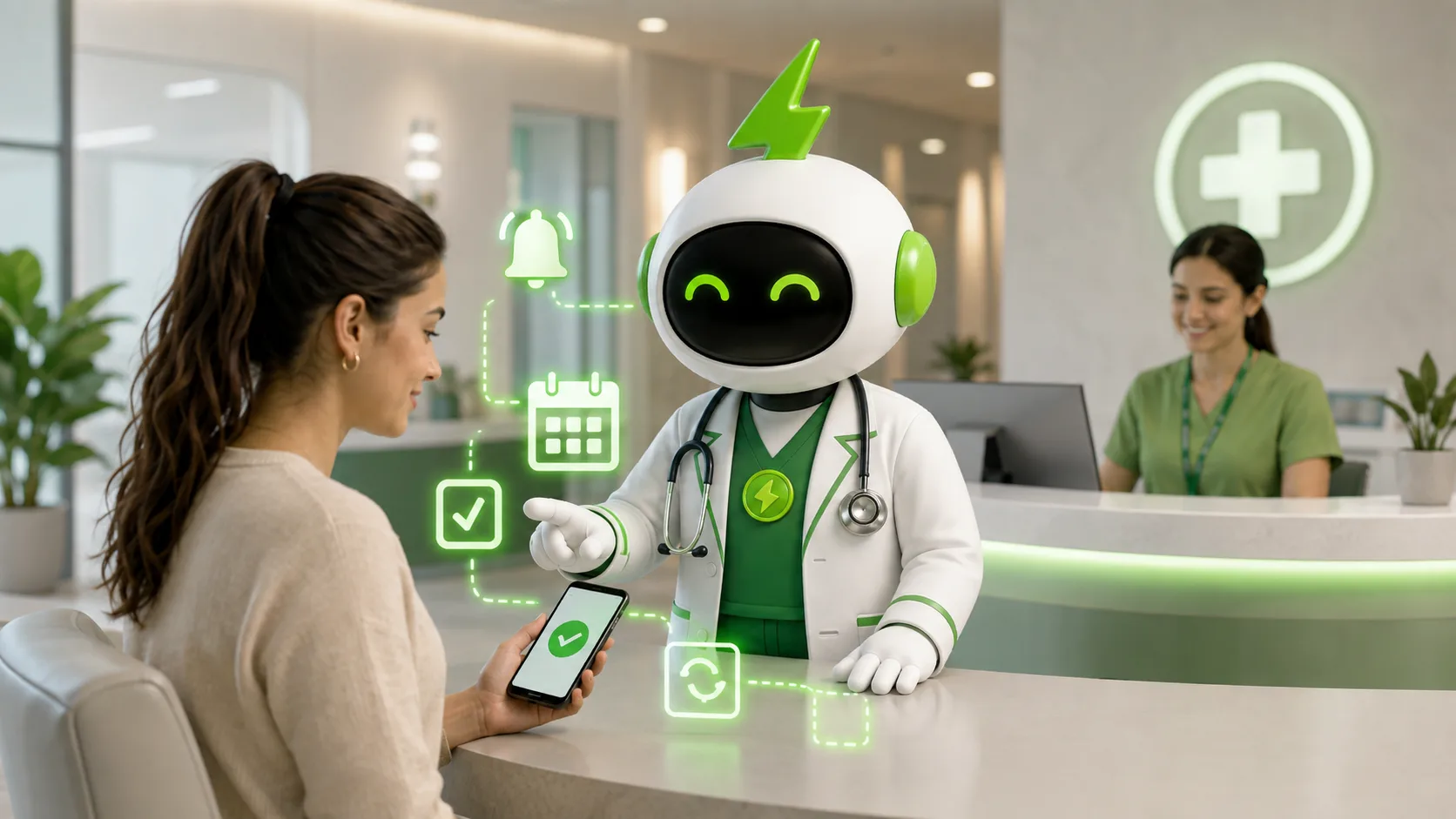
AI Referral and Authorization Automation for Healthcare Providers
A practical guide to automating referrals, orders and authorizations with AI while preserving traceability for healthcare providers.
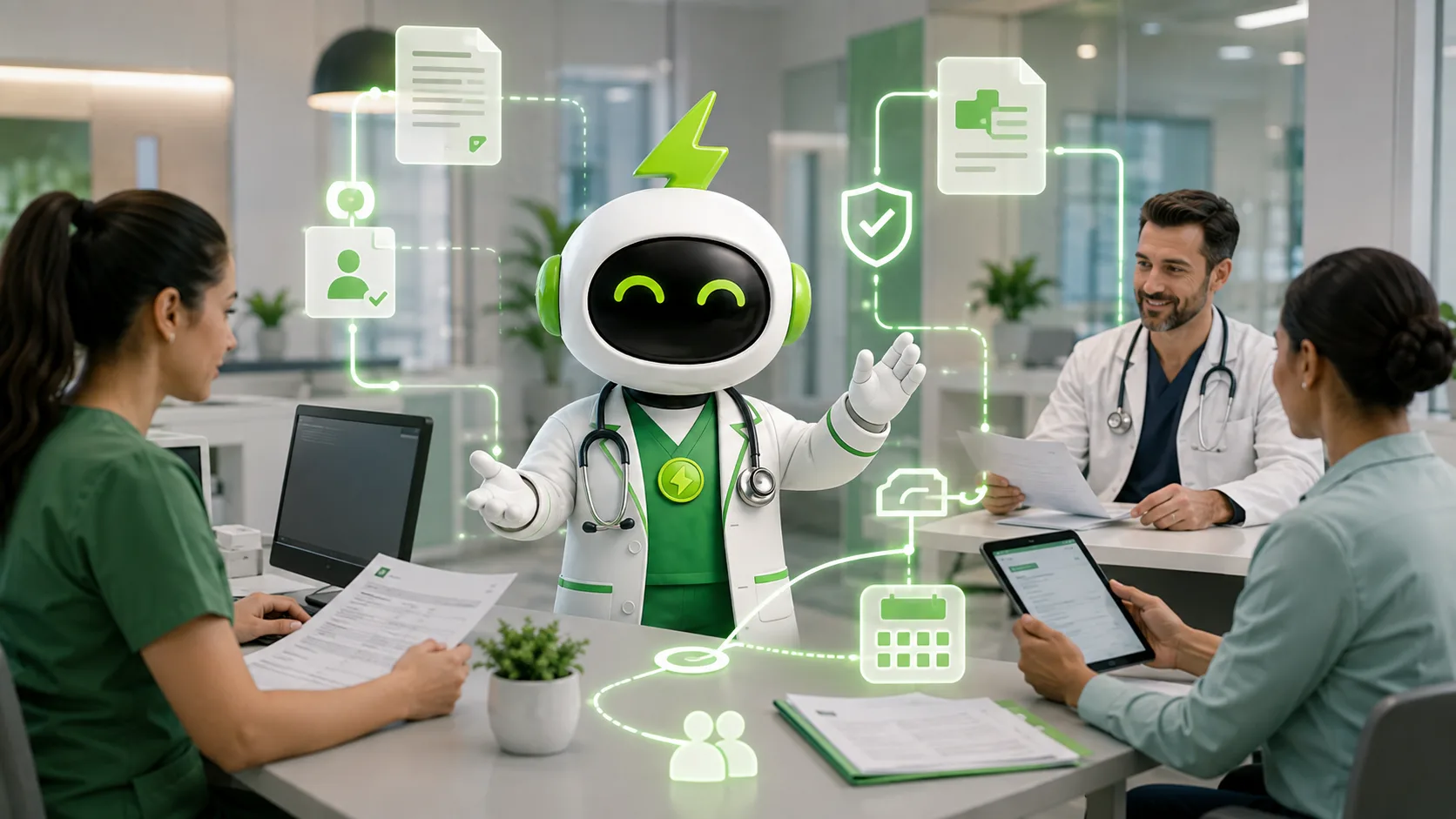
FHIR and HL7 Interoperability in Colombia: A Practical Guide for Clinics
How to prepare data, processes and teams to connect electronic records, scheduling and operations through interoperability standards.