Clinical interoperability in LATAM: connecting scheduling, OCR and operations without adding friction
Interoperability is no longer just a technical project. It is an operational need. In healthcare, every minute lost between systems affects care. An unconfirmed appointment, an order waiting for manual validation or a schedule that does not update in time creates friction for patients and revenue leakage for providers.
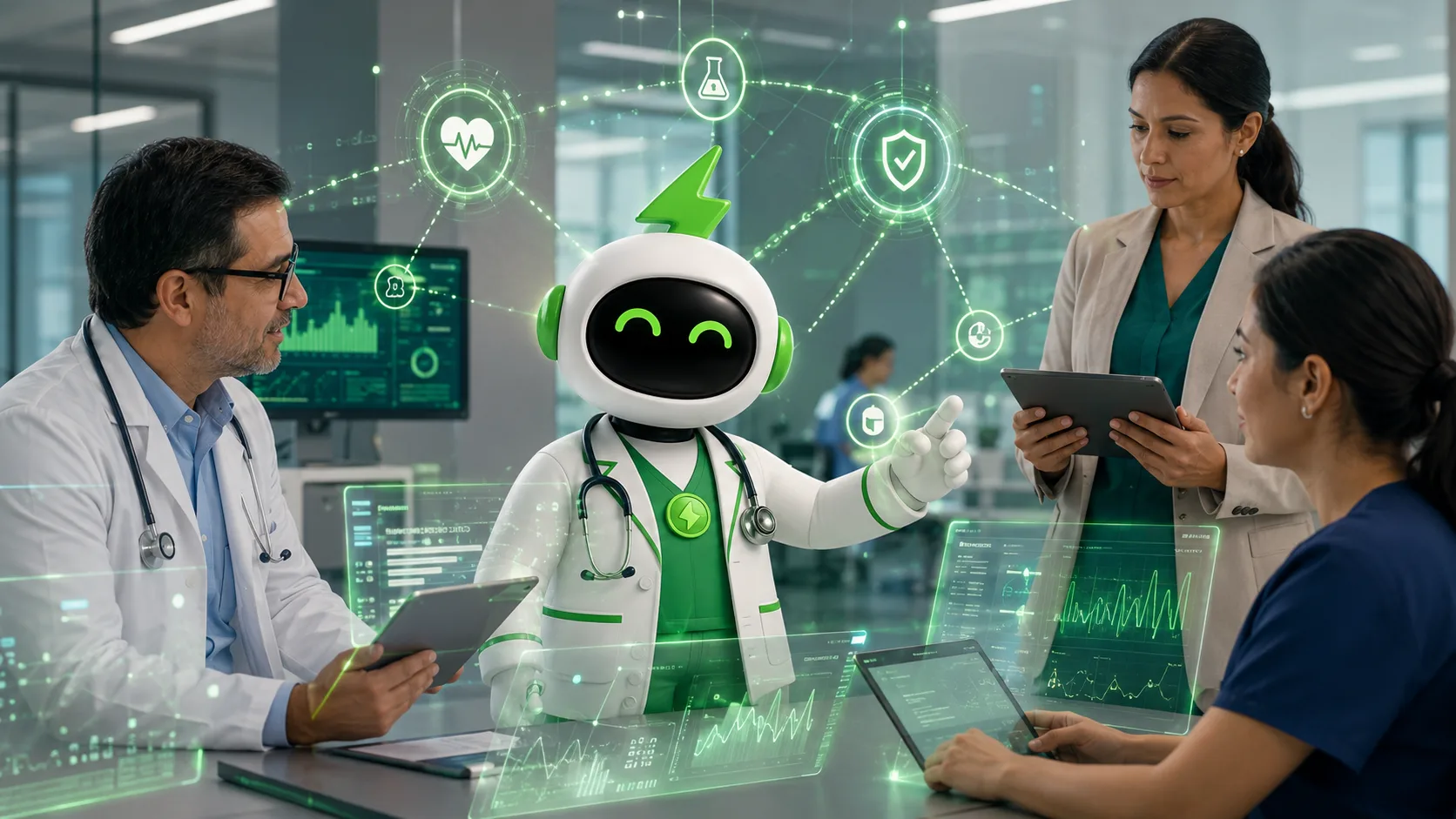
Clinical interoperability allows information to move across systems without relying on phone calls, spreadsheets or manual validation. The point is not to replace every system. The point is to connect what already exists so the operation can respond faster.
Where operations break when systems do not talk to each other
· The patient books in one channel, but availability lives in another system.
· Medical orders arrive as PDFs or images and need manual validation.
· Cancellations do not automatically activate the waitlist.
· Administrative teams work with late reports.
· Clinical and operational teams do not see the same data in real time.
What clinics need to connect
A healthcare institution does not need more screens. It needs connected flows. Useful interoperability connects data, rules and action.
· Patients: identity, contact information, interaction history and request status.
· Scheduling: availability, confirmation, cancellation, waitlist and unmet demand.
· Documents: orders, authorizations, results and automated validations.
· Channels: WhatsApp, calls, SMS, web, patient portal and call center.
· Operations: occupancy, no-shows, response times and traceability.
How COCO approaches interoperability from daily operations
COCO connects medical scheduling software, clinical OCR software, patient engagement campaigns, the queue management system and the telemedicine platform so clinics and hospitals can reduce friction behind patient care.
The difference is that COCO does not only move data. COCO triggers action: appointment confirmations, slot recovery, document validation, status updates and operational visibility.
HL7/FHIR as a common language for healthcare systems
FHIR, developed by HL7, is a standard for exchanging healthcare information in a structured way. For scheduling flows, the HL7 FHIR Appointment resource helps represent bookings, participants, time slots, status and responses.
COCO should be understood as an operational layer that can work alongside HL7 FHIR, HIS, ERP and CRM integrations, and each institution’s internal rules.
What a clinic gains when scheduling, documents and patients are connected
· Less rework from duplicated information.
· Fewer no-shows through connected confirmations and reminders.
· Higher schedule occupancy through waitlist and automatic reassignment.
· Faster validations with clinical OCR.
· Better visibility into operational flow.
· A simpler and more reliable patient experience.
FAQ
· What is clinical interoperability? The ability to connect systems, data and processes so information moves with traceability and less rework.
· Does COCO replace the HIS? No. COCO integrates with existing systems to improve the operation behind care.
· What can COCO connect? Scheduling, clinical documents, campaigns, queues, telemedicine, confirmations and operational reporting.
· Why does FHIR matter? It helps structure healthcare data through common resources for better exchange across systems.
What problem does Clinical interoperability in LATAM: connecting scheduling, OCR and operations without adding friction address?
How can it be applied in a clinic, hospital, or healthcare provider?
Which indicators should healthcare leaders track?
Do you want to turn clinical documents into useful data?
See how COCO transforms healthcare documents into actionable information for your organization.
COCO in the press
What independent media have published on this topic.
- El TiempoClinics and hospitals grew appointment management over 24% using AI
- Diario ADNIn Colombia, under 50% of hospitals offer digital scheduling and results
- InfobaeHow AI and automation will transform clinics and hospitals in 2026
- Noticias RCNTrends that will transform clinics and hospitals in 2026
Related articles
From Scheduling to Revenue: How COCO Pay Organizes Healthcare Collections
A guide for clinics and healthcare providers that want to connect scheduling, payment, confirmation, and reconciliation without adding administrative workload.
Health Data Privacy in Clinical OCR: Controls and Governance
Access rules, traceability, human review and governance: how to keep health data protected when documents pass through OCR and AI.
Secure multichannel patient communication: automation with traceability
Patient communication cannot depend only on the call center. It also cannot live in scattered messages, spreadsheets or conversations without traceability