Clinical interoperability and data security: how to connect healthcare operations without losing control
A clinic can have many systems and still operate with limited visibility. Scheduling in one place. Medical records in another. Call center activity somewhere else. Reports in a different tool. The result is clear: more rework, more waiting, and less control
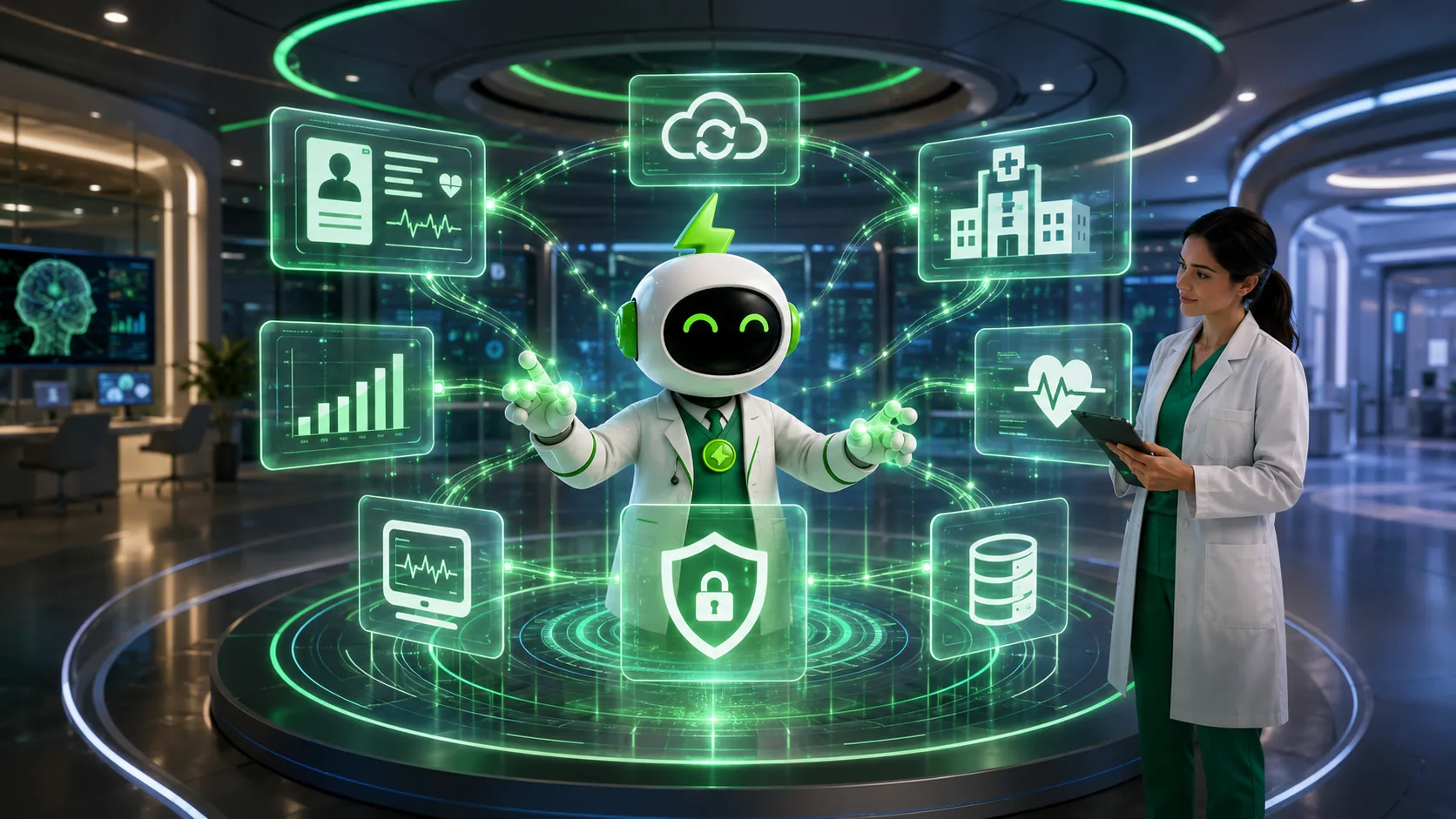
Short answer: Require authentication for every connection, least-privilege permissions, encryption in transit and at rest, secure credential management, and protected audit logs. Before integrating medical scheduling software, request evidence of these controls, access revocation tests, and documented responsibilities. HL7 FHIR supports data exchange but does not, by itself, guarantee security.
Digital transformation in healthcare is not about adding more software. It is about connecting the operation. With reliable data. With security. With traceability. With decisions that arrive on time.
At COCO AI & E-Health, we help clinics, hospitals, and healthcare providers connect care processes, scheduling, patients, and operational data without interrupting daily work.
The problem is not having data. It is having disconnected data
Many institutions already have valuable information. But that information lives in isolated systems. When the team needs to act, it loses time searching, validating, or repeating data.
· The patient books through one channel, but the information does not arrive complete in the core system.
· Appointment confirmation is not reflected in time.
· The call center validates data that already exists in another platform.
· Reports arrive late and do not explain where the friction is.
· Teams make decisions with partial information.
Interoperability solves that. It allows systems to talk to each other. And when systems talk, the institution operates with less noise.
What clinical interoperability means in real operations
Clinical interoperability is not a technical word to hide complexity. It is an operational capability. It means systems can exchange useful information to improve care, reduce friction, and accelerate decisions.
COCO connects with the institution’s operation to support processes such as medical scheduling software, appointment confirmation, patient management, availability, queues, and administrative data.
The institution keeps its systems. COCO connects the experience and automates the points where the most time is lost.
Clinical data security: trust by design
In healthcare, connecting data requires responsibility. It is not enough to move information. It must be protected. Access must be controlled. Traceability must be clear. Standards and regulations matter.
That is why security should be supported by recognized standards and frameworks such as HL7 FHIR, ISO/IEC 27001, HIPAA, and local data protection regulations such as Colombia’s Law 1581 of 2012.
COCO understands that clinical information is sensitive. The goal is not only to automate. The goal is to automate with governance, security, and control.
Where efficiency improves when data flows
· Scheduling: fewer errors when creating, checking, or confirming appointments.
· Patients: better traceability from first contact to follow-up.
· Queues: clearer flow in waiting rooms and care points.
· Documents: less manual typing with clinical OCR.
· Leadership: faster decisions with updated operational data.
· Compliance: more control over who accesses data, what moves, and how it is recorded.
COCO compared with isolated integrations
An isolated integration connects two systems. COCO is designed to connect the operational flow. That difference matters.
It is not about connecting for the sake of connecting. It is about making each integration reduce a specific friction: appointments that are not confirmed, patients who do not receive information, documents that are validated by hand, or indicators that arrive too late.
When interoperability is designed from the operation, technology stops being a burden. It becomes an advantage.
FAQ
What is clinical interoperability?
It is the ability to connect healthcare systems so information can flow securely, usefully, and with traceability.
Why does it matter for clinics and hospitals?
Because it reduces rework, improves patient experience, and supports decisions with more reliable data.
Does COCO replace existing systems?
Not necessarily. COCO can integrate with existing systems to improve operations without stopping daily work.
How is interoperability connected to security?
The more data is connected, the more important it is to control access, protect information, and maintain traceability.
Conclusion
An institution’s digital maturity is not measured by how many systems it has. It is measured by how well those systems work together.
With COCO, clinics and hospitals can connect data, protect sensitive information, and operate with more clarity. No rigidity. No added friction. Technology that works for care.
What problem does Clinical interoperability and data security: how to connect healthcare operations without losing control address?
How can it be applied in a clinic, hospital, or healthcare provider?
Which indicators should healthcare leaders track?
Do you want to optimize medical scheduling?
See how COCO helps automate access, confirm appointments, and reduce operational workload.
Frequently asked questions
How should connections between healthcare platforms be authenticated?
Require a distinct identity for each integration rather than personal accounts or shared credentials. Evaluate client authentication using certificates or OAuth 2.0 mechanisms appropriate for service-to-service connections. Verify certificate validation, token expiration, and credential revocation. Request tests demonstrating that connections using invalid or expired credentials are rejected.
What should a clinical data exchange audit record?
Record the service or user identity, synchronized timestamp, source and destination systems, operation performed, reference to the affected resource, and outcome, including errors and denied access. Use correlation identifiers to reconstruct exchanges. Avoid logging unnecessary clinical content or secrets; require tamper protection, restricted access, and a retention policy aligned with applicable obligations.
How should integration account permissions be limited?
Assign separate service accounts for each integration and environment, allowing only necessary resources and operations. Separate read, create, update, and delete permissions; deny unauthorized actions by default. A scheduling integration should not access complete clinical records unless needed. Require periodic access reviews, named owners, and tests showing that operations outside the authorized scope are rejected.
What should be reviewed for encryption and credential management?
Verify TLS with current secure settings and certificate validation for data in transit, plus encryption at rest that includes backups. Review who manages encryption keys and how access is controlled. Require secrets to be stored outside code and logs in a credential manager, with documented ownership and procedures for rotation, revocation, and response to exposure.
COCO in the press
What independent media have published on this topic.
- Diario ADNIn Colombia, under 50% of hospitals offer digital scheduling and results
- PortafolioSoftware scheduling 140,000+ medical appointments a month wins Ingenio 2025 Award
- Valora AnalitikColombian medical scheduling software wins award
- LatinPymeSoftware scheduling 140,000+ appointments a month wins Ingenio 2025
Related articles
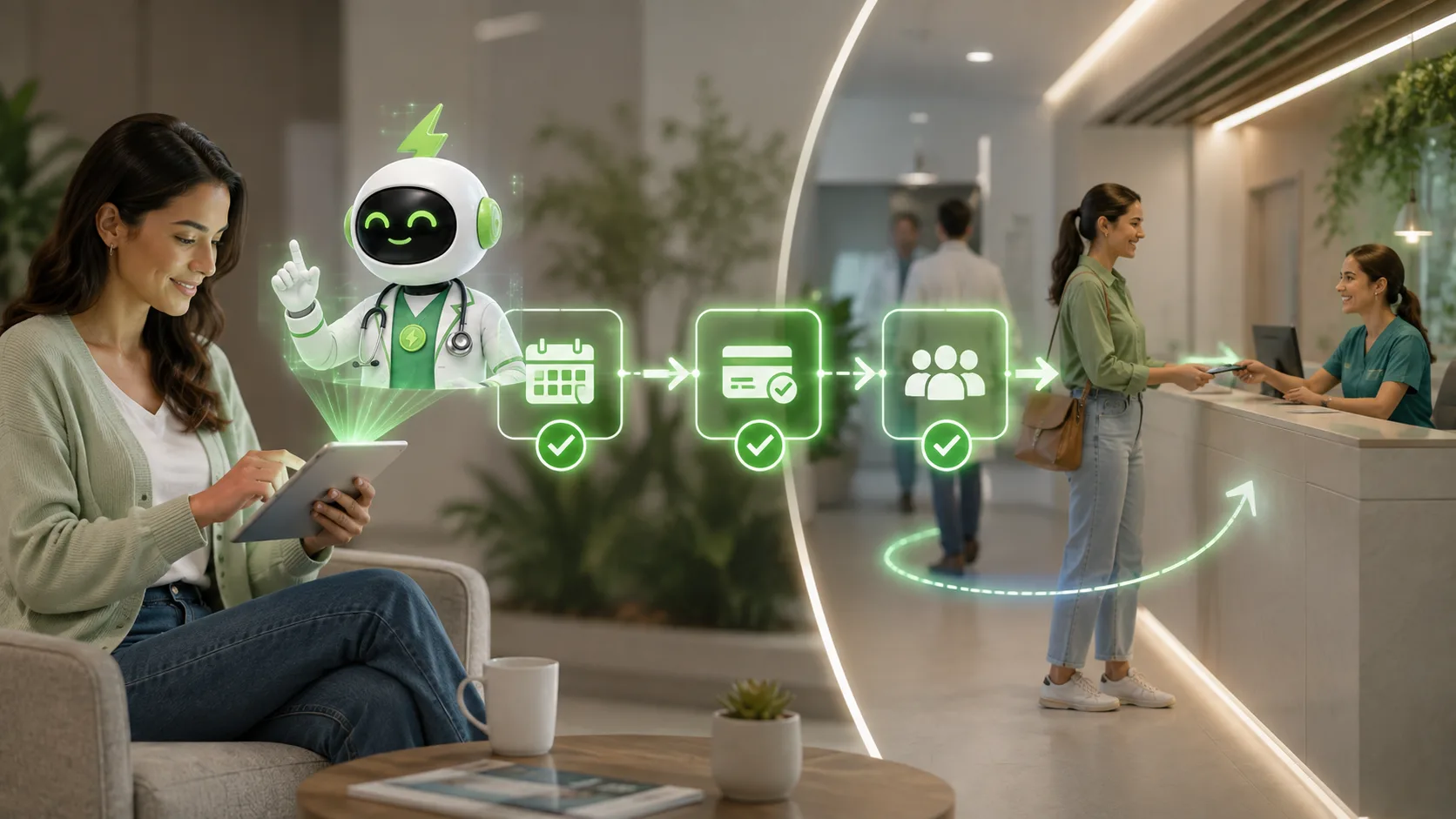
From Scheduling to Revenue: How COCO Pay Organizes Healthcare Collections
A guide for clinics and healthcare providers that want to connect scheduling, payment, confirmation, and reconciliation without adding administrative workload.
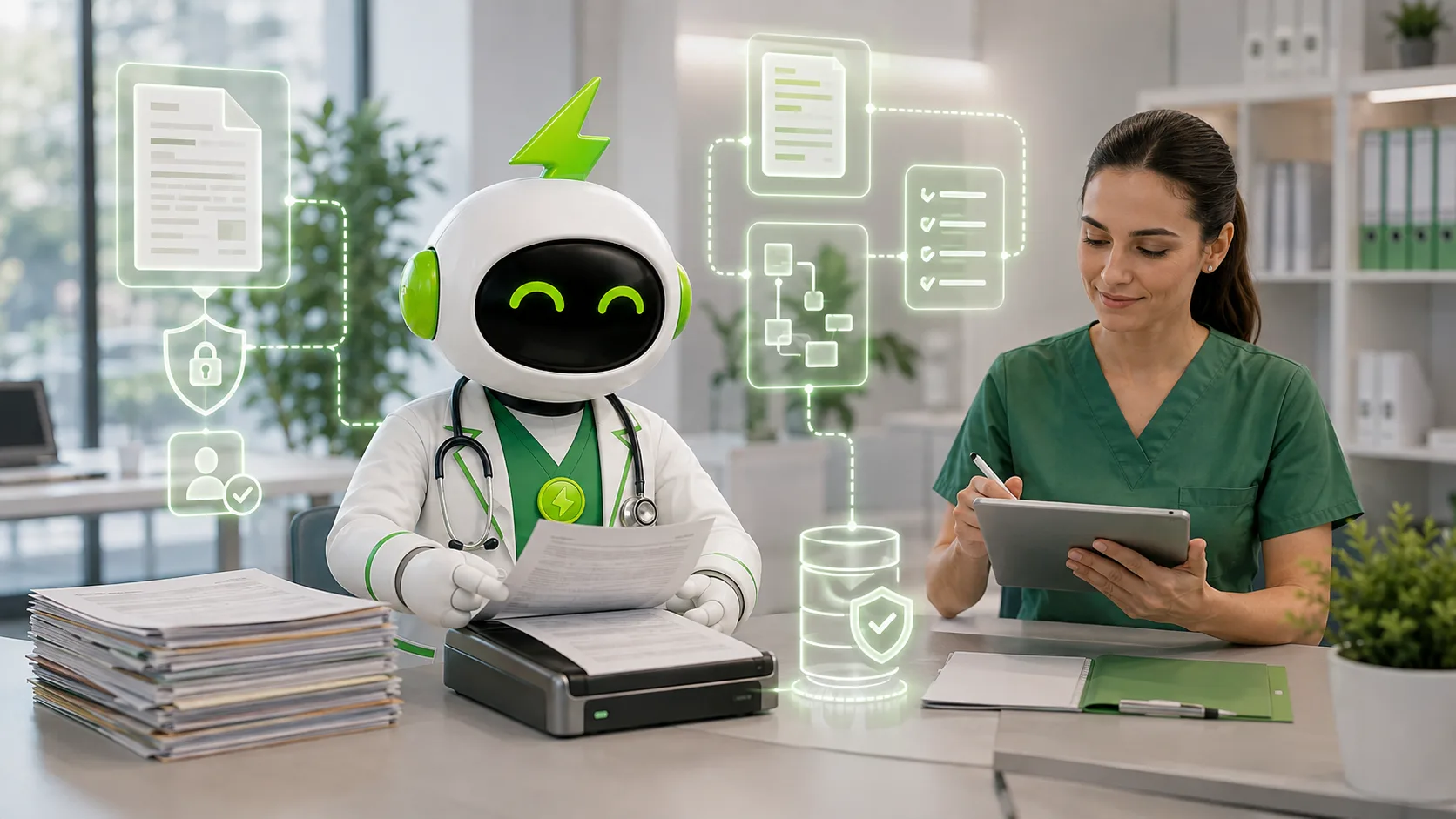
Health Data Privacy in Clinical OCR: Controls and Governance
Access rules, traceability, human review and governance: how to keep health data protected when documents pass through OCR and AI.
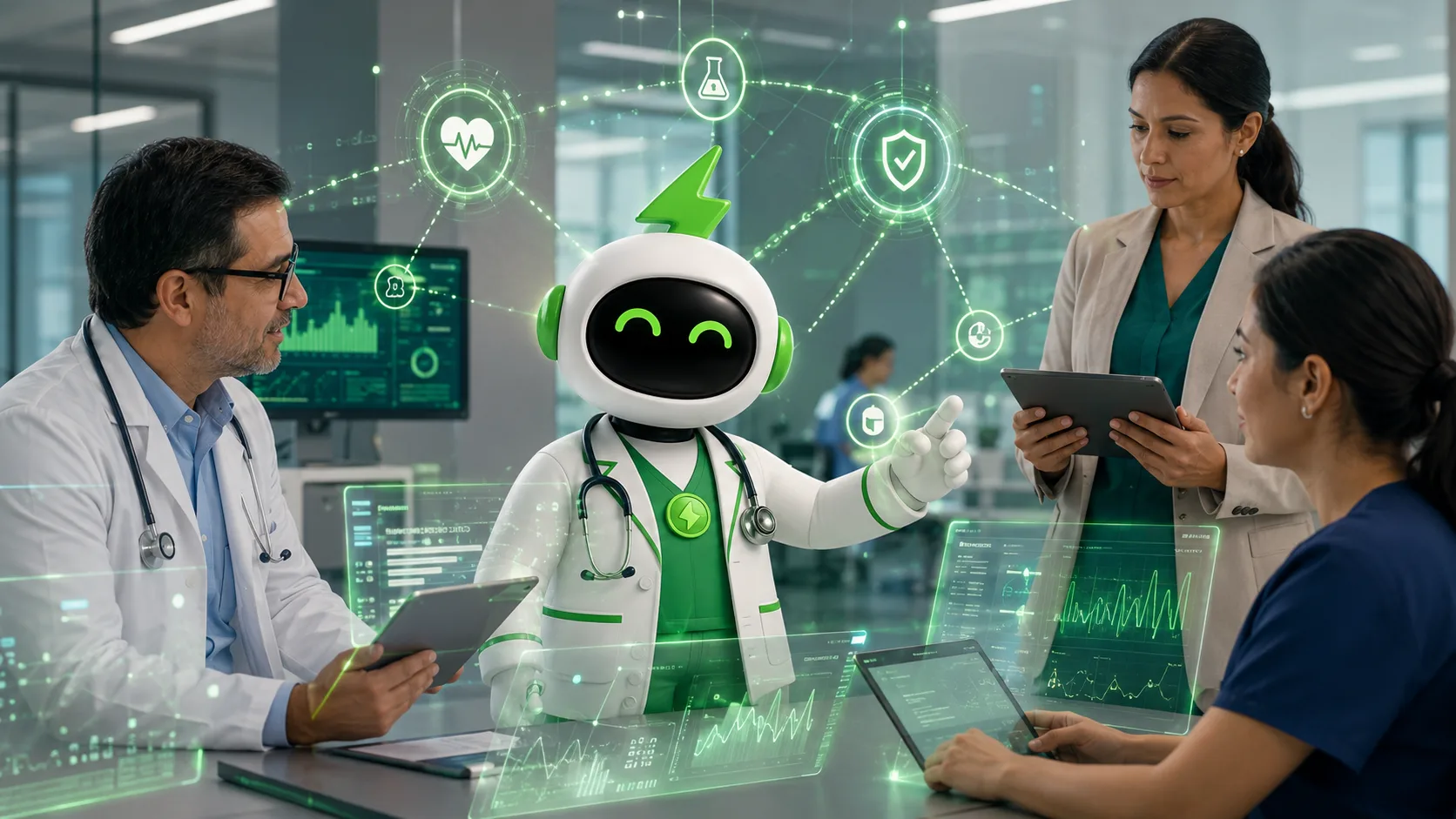
Clinical interoperability in LATAM: connecting scheduling, OCR and operations without adding friction
Interoperability is no longer just a technical project. It is an operational need. In healthcare, every minute lost between systems affects care. An unconfirmed appointment, an order waiting for manual validation or a schedule that does not update in time creates friction for patients and revenue leakage for providers.