Hospital Management
How to Connect Scheduling to an HIS Without Replacing It
A guide to connecting medical scheduling with an HIS, clarifying ownership, and improving access without replacing existing systems.
11 Sep 2026
We use cookies to improve your experience and analyze traffic. More info
Articles, trends and news from the healthcare sector
A guide to connecting medical scheduling with an HIS, clarifying ownership, and improving access without replacing existing systems.
A practical guide to multichannel appointment reminders that increase responses, reduce no-shows, and lower administrative workload.
Learn how to connect scheduling, confirmation, waiting, and care to reduce friction and improve patient flow.
Learn how active confirmation helps clinics reduce no-shows and recover appointments before clinical capacity is lost.
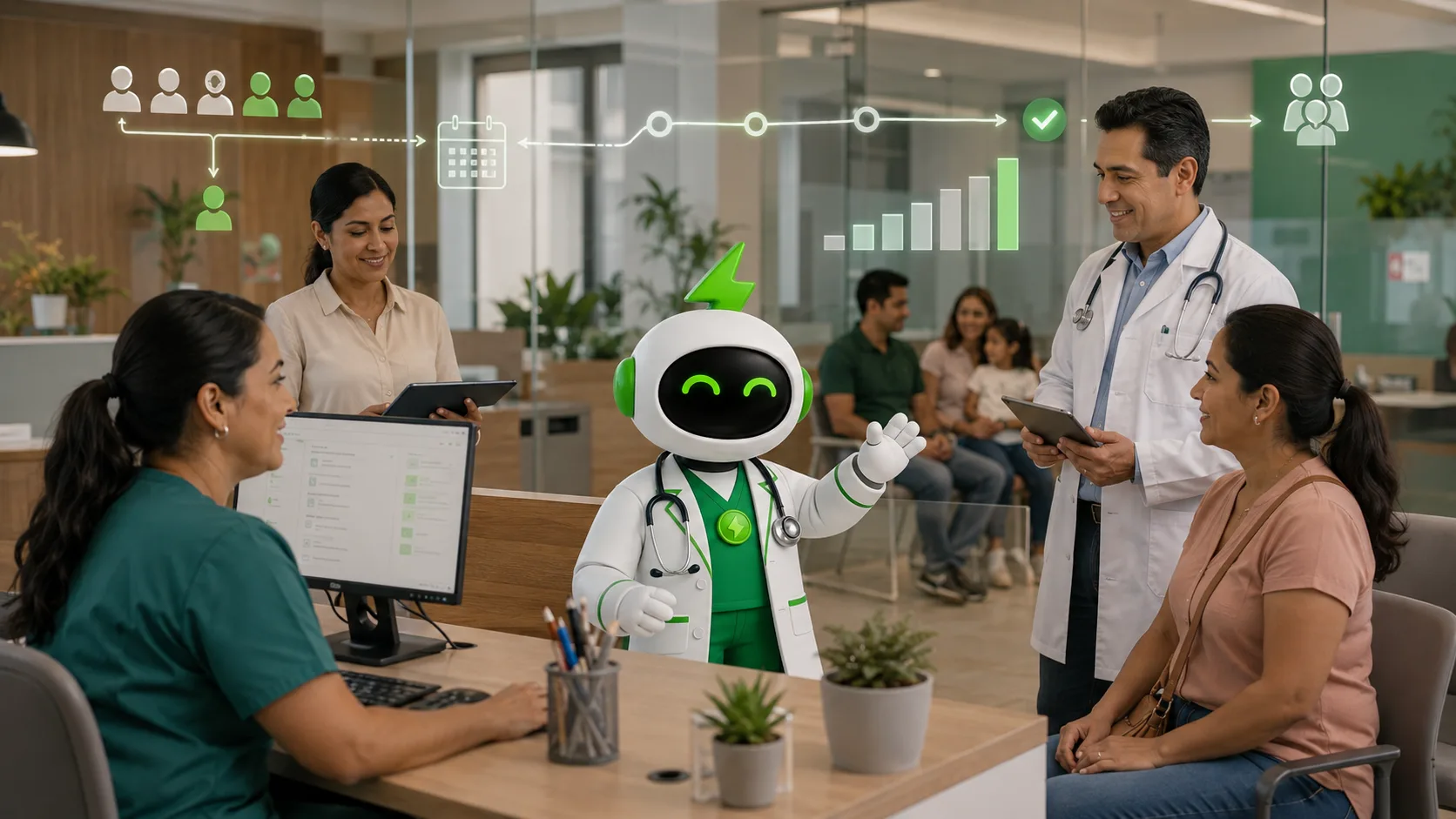
The revenue leaks behind healthcare organizations and how COCO connects its solutions to recover appointments, capacity, and efficiency in LATAM.

A clear comparison to choose the software that best helps a LATAM clinic or healthcare organization grow with COCO.
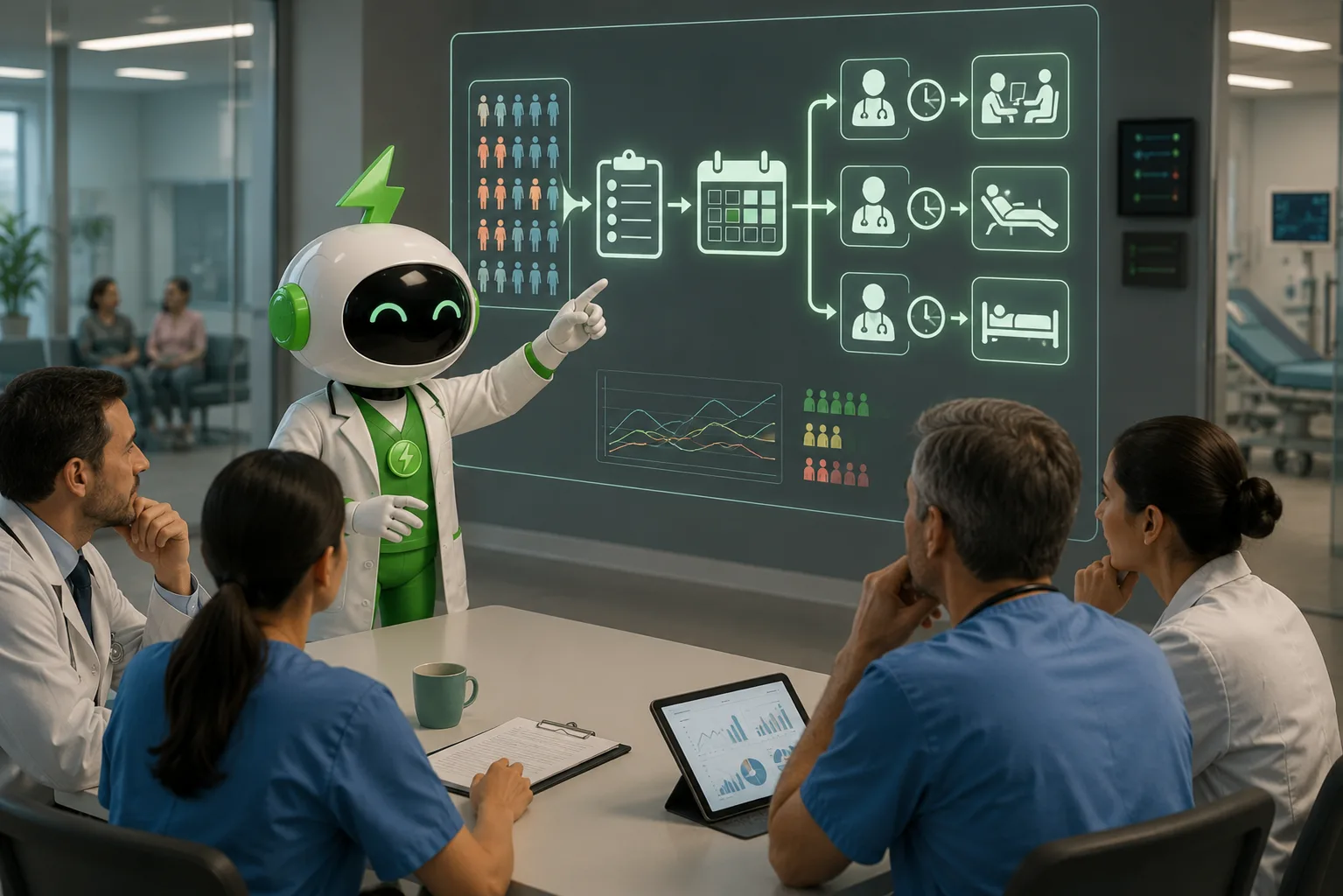
How to connect waitlists, scheduling, and patient engagement to turn pending demand into completed care for clinics and healthcare providers.
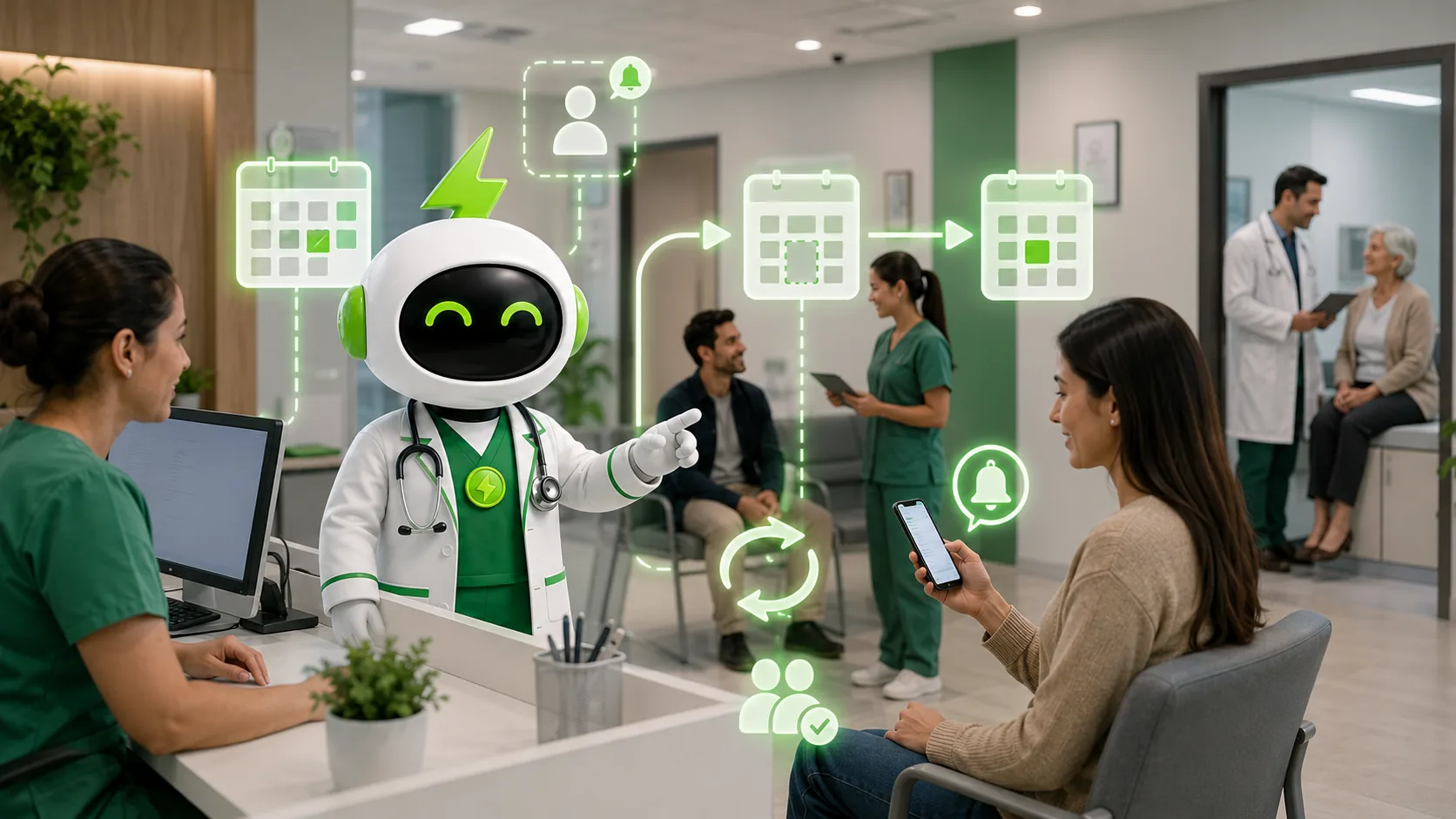
What happens in the minutes after a cancellation: detection, patient priority, WhatsApp offer and a refilled slot the same day.
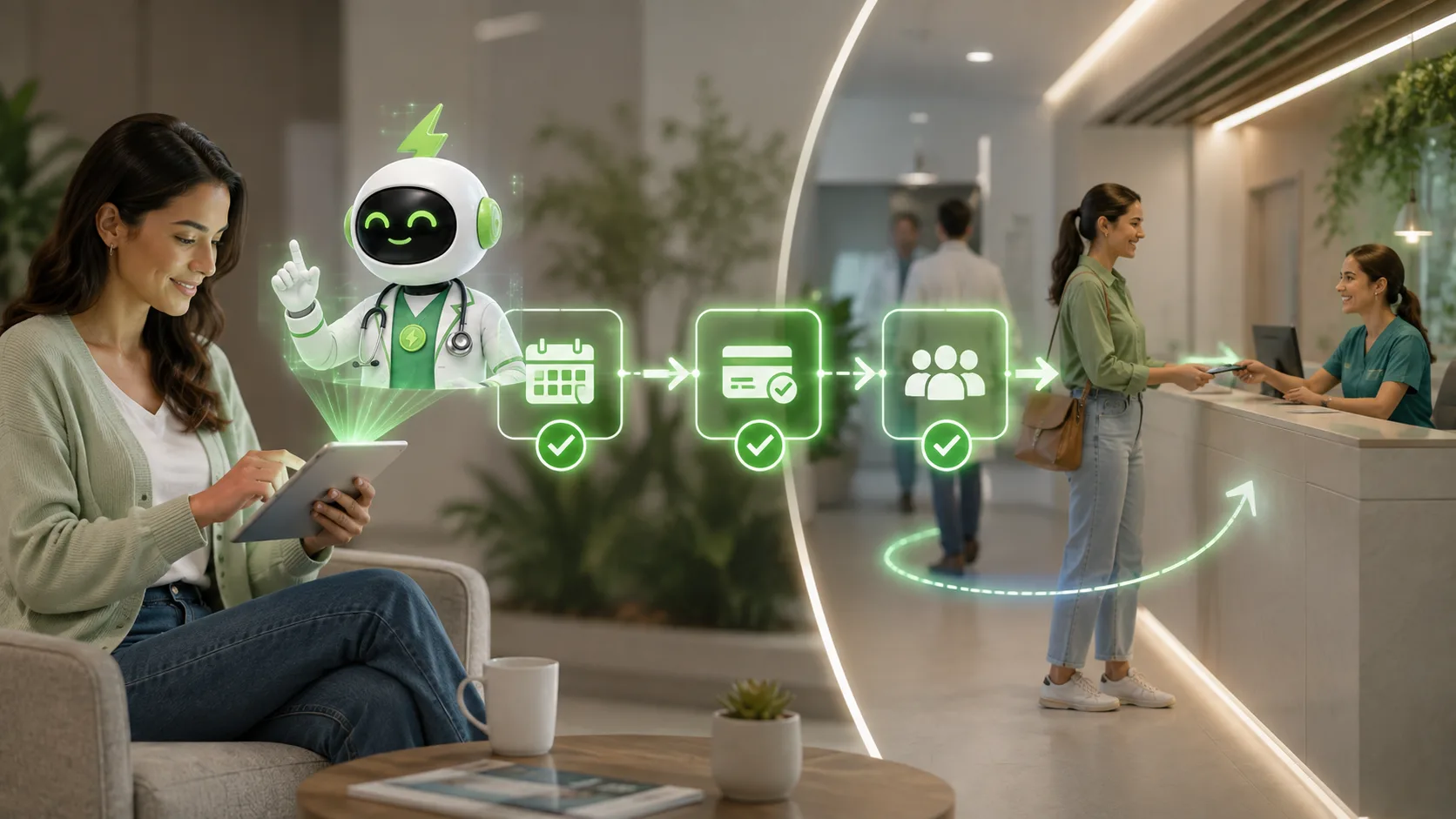
A guide for clinics and healthcare providers that want to connect scheduling, payment, confirmation, and reconciliation without adding administrative workload.
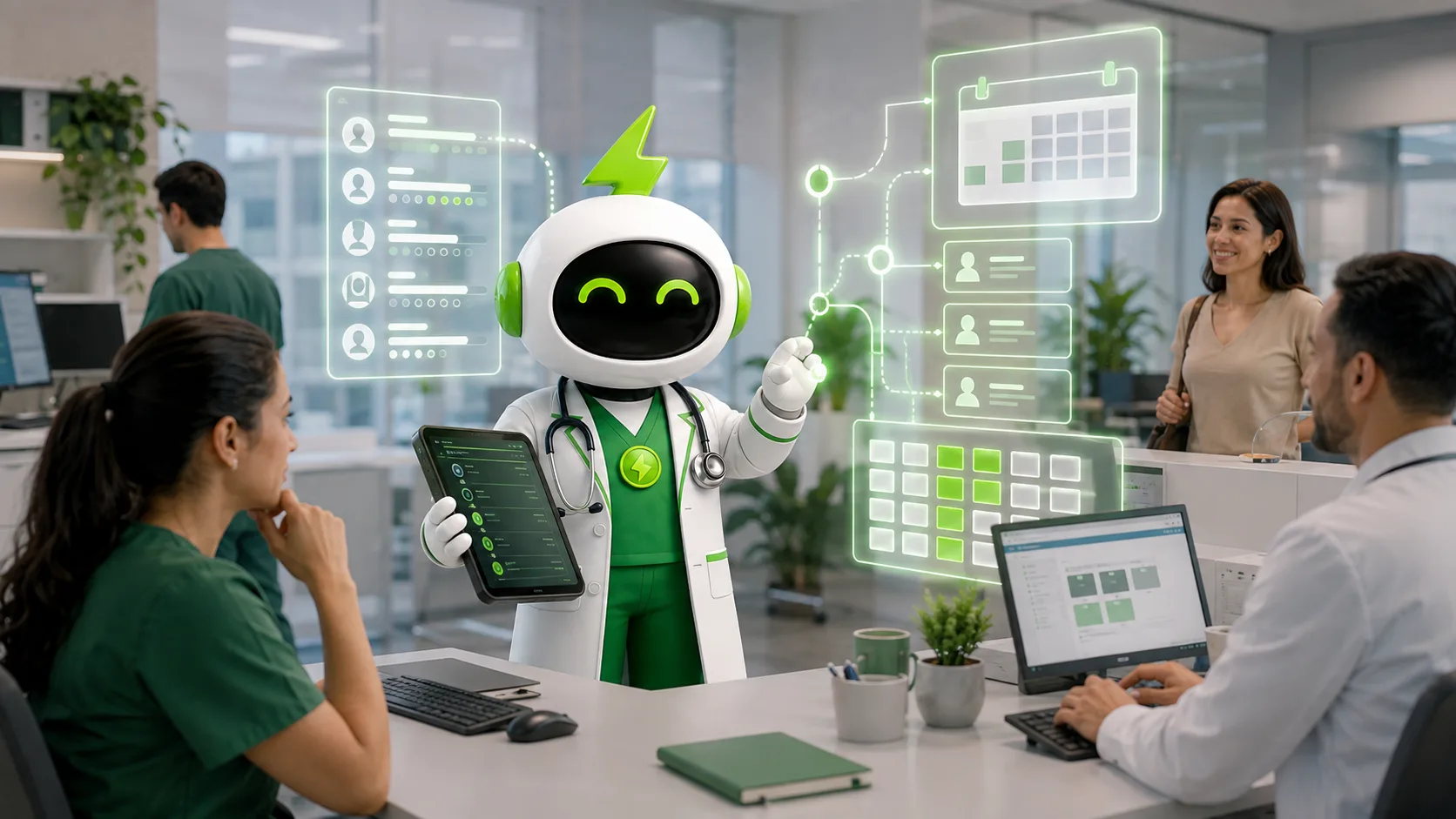
A task-by-task look at the front desk: what automation absorbs, what stays human and how staff time is reused.
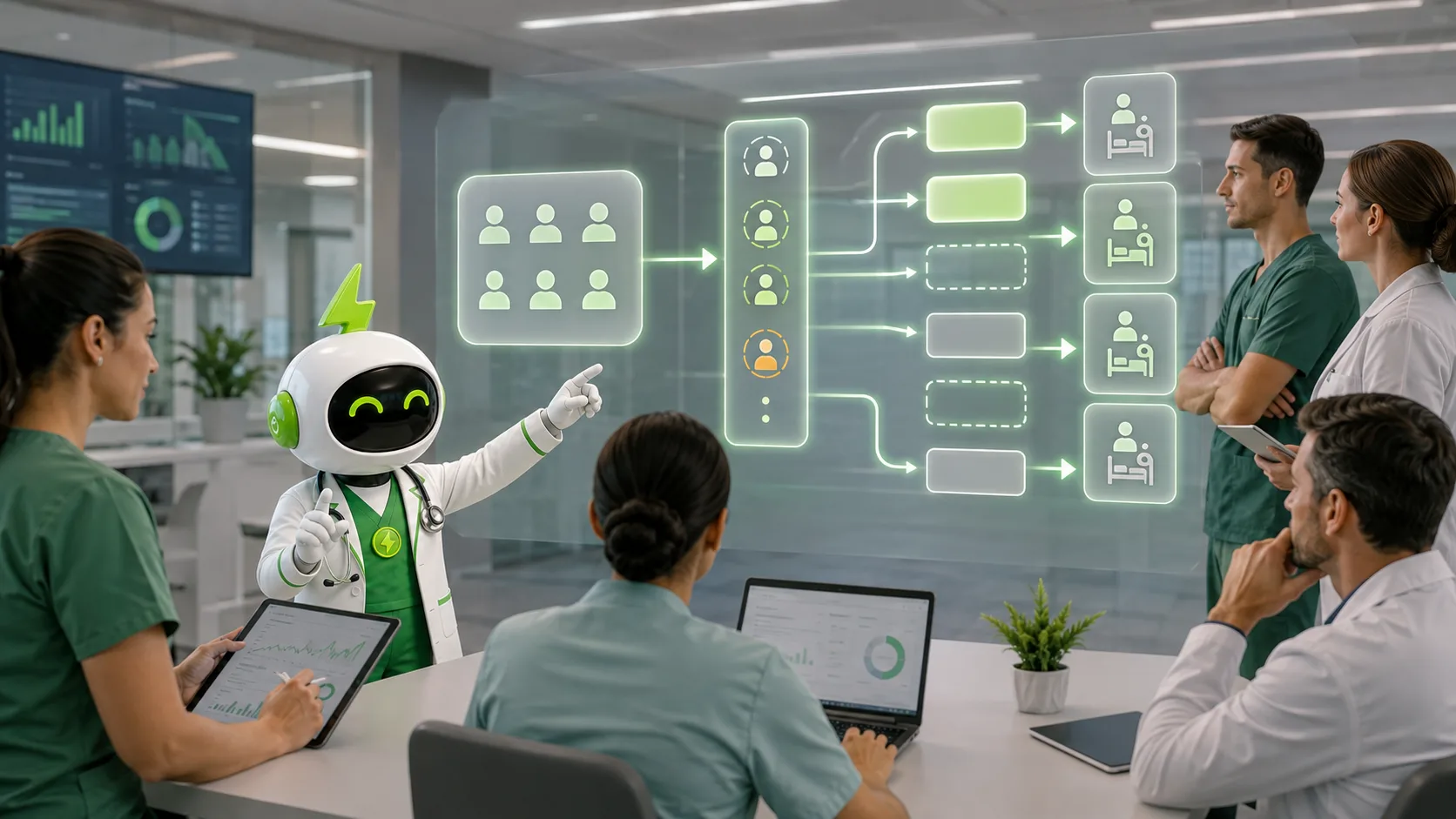
A guide for Latin American healthcare organizations to connect confirmation, communication, and slot recovery without losing patient context.
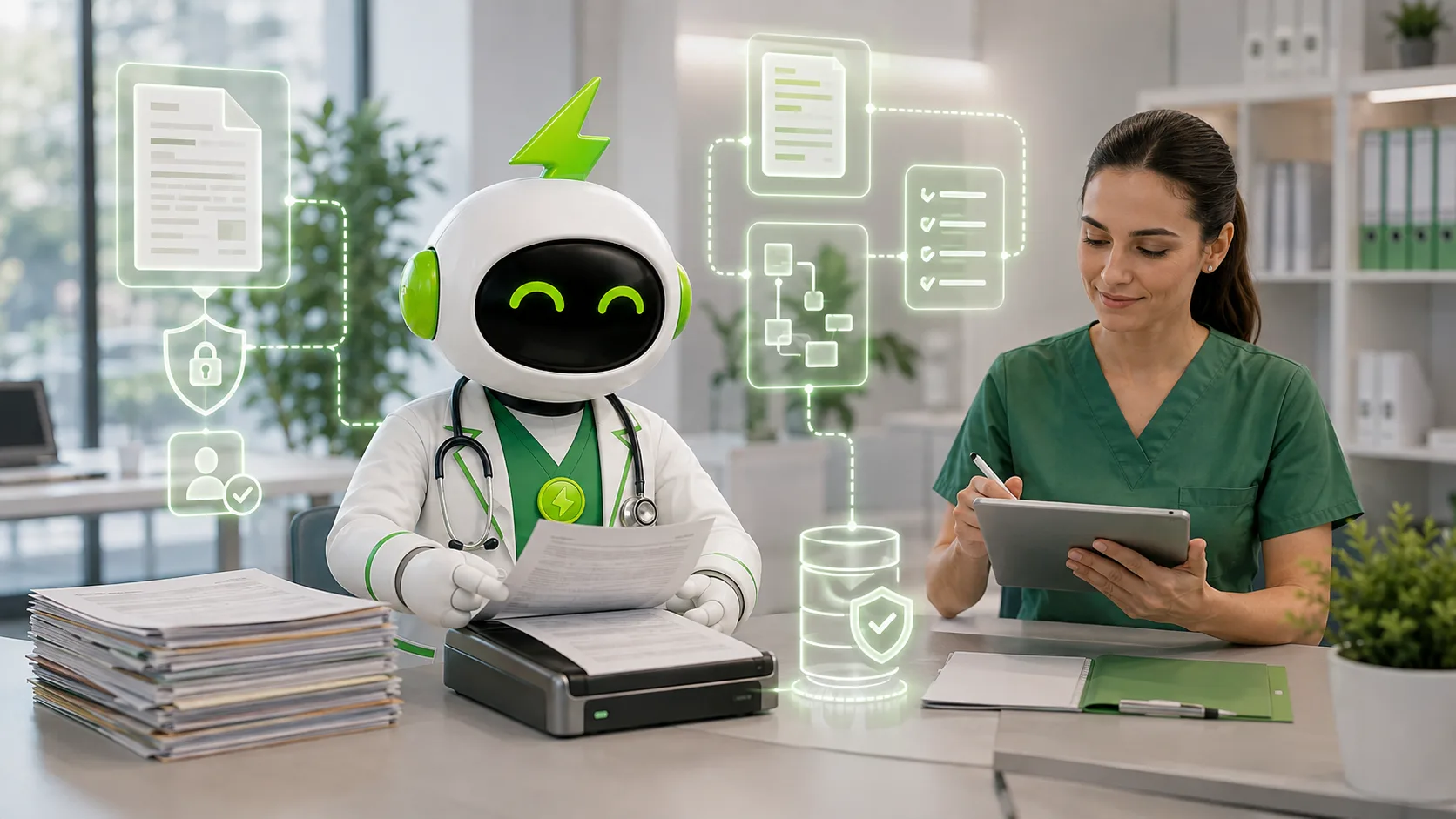
Access rules, traceability, human review and governance: how to keep health data protected when documents pass through OCR and AI.
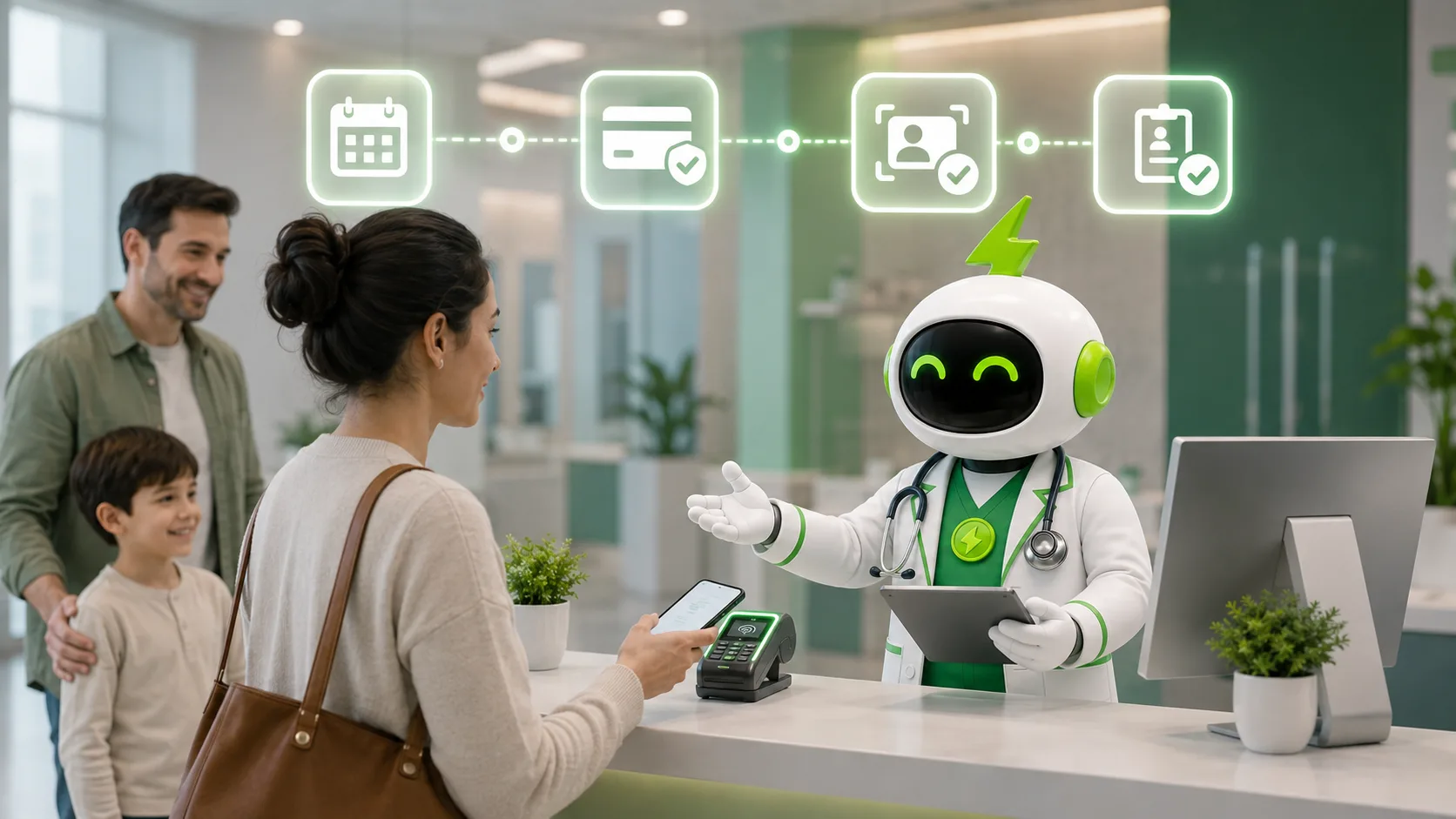
Charging before the visit works as a confirmation signal: what changes in no-shows, front-desk time and patient experience.
What medical scheduling software should solve when a clinic needs to connect access, availability, and care flow.
A practical guide to automating referrals, orders and authorizations with AI while preserving traceability for healthcare providers.
How to prepare data, processes and teams to connect electronic records, scheduling and operations through interoperability standards.
A practical setup guide: when to send, on which channel, with which template, how many retries and what to do with replies.
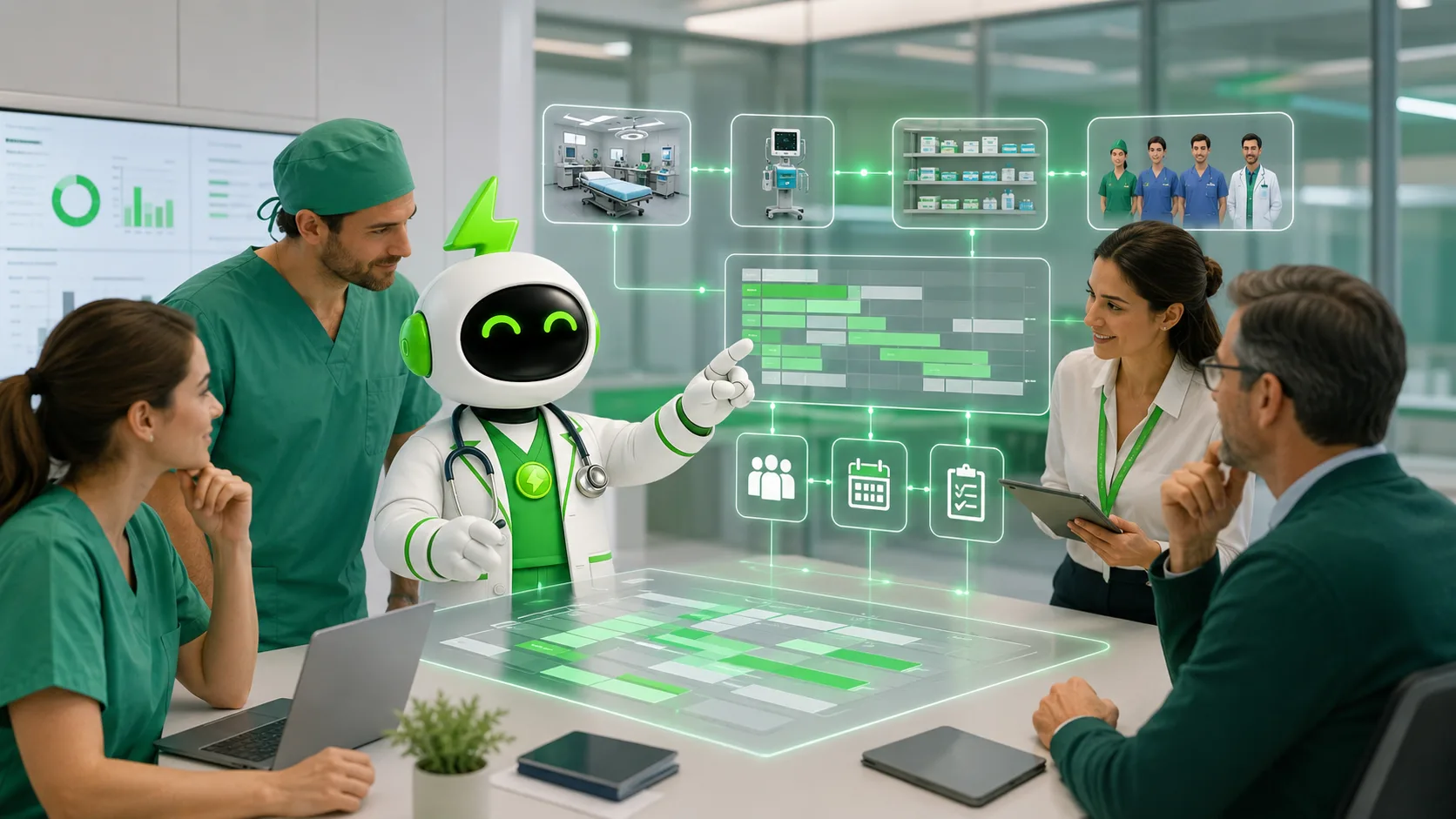
What clinics and hospitals should evaluate when comparing software for operating rooms, surgical blocks, equipment and perioperative follow-up.
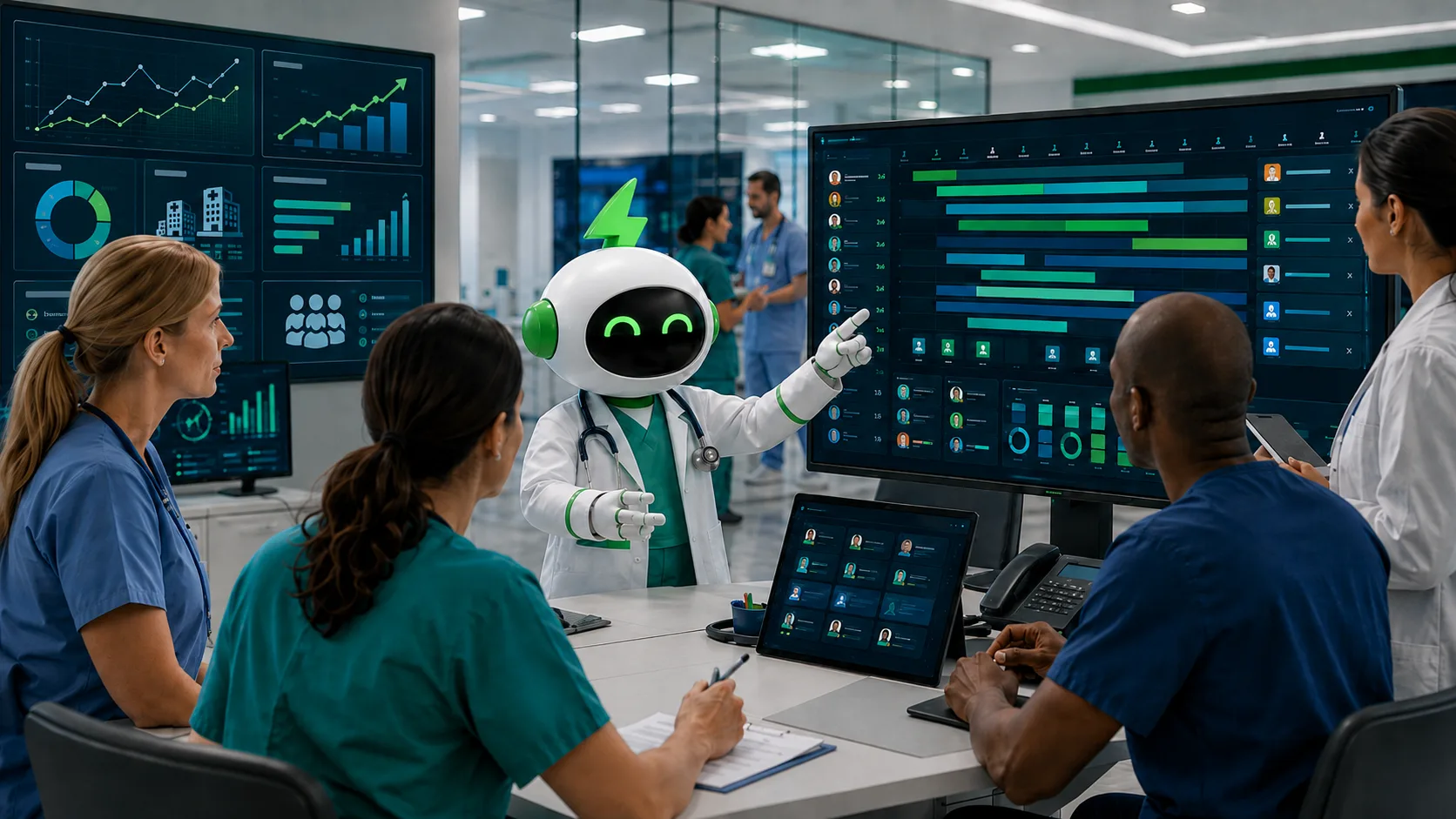
A guide for clinics and hospitals that need to coordinate medical staff, demand, coverage, shifts and operational changes with data.
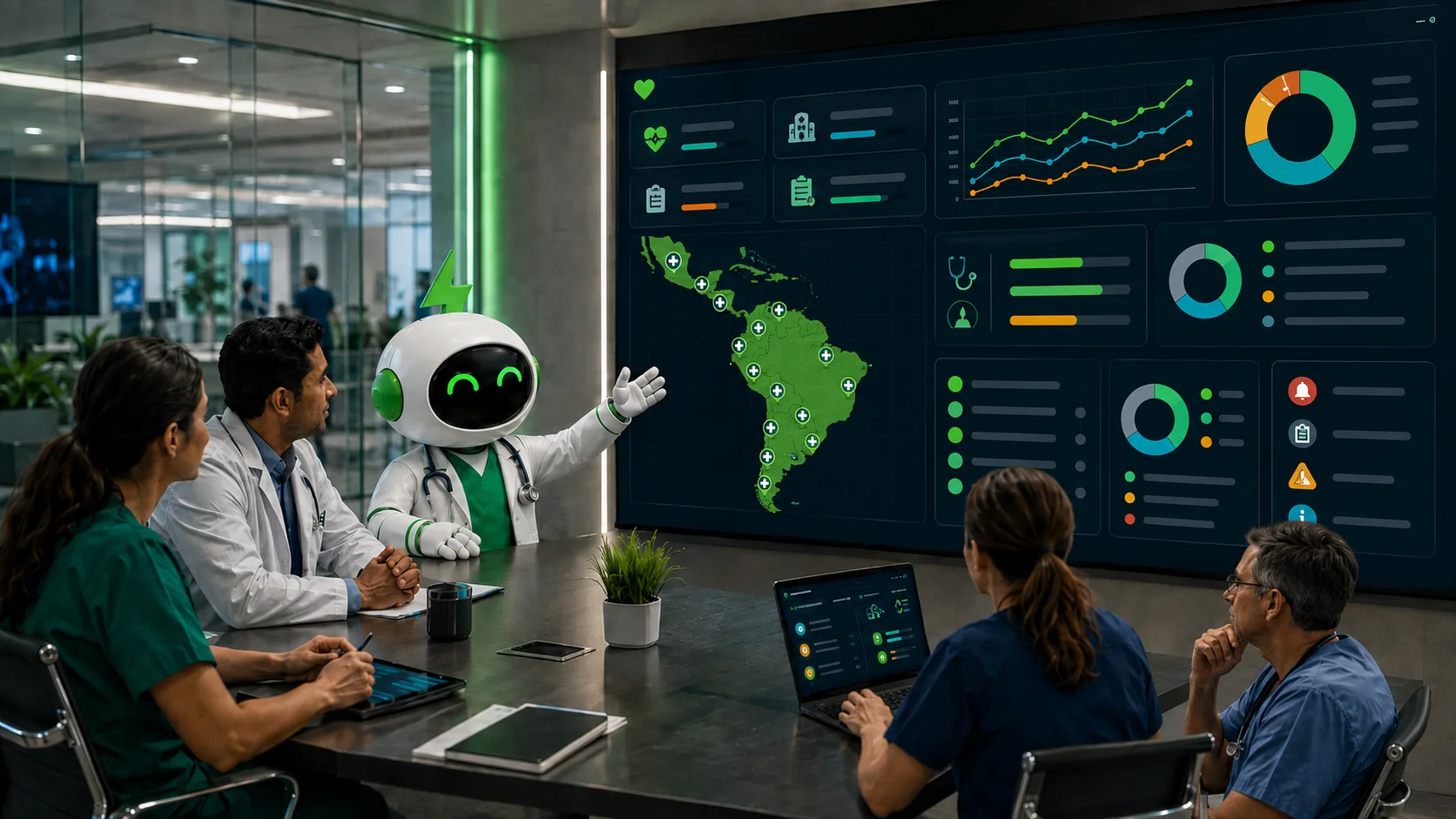
Method first: value stream mapping, the seven wastes and flow in care, and where automation genuinely helps.
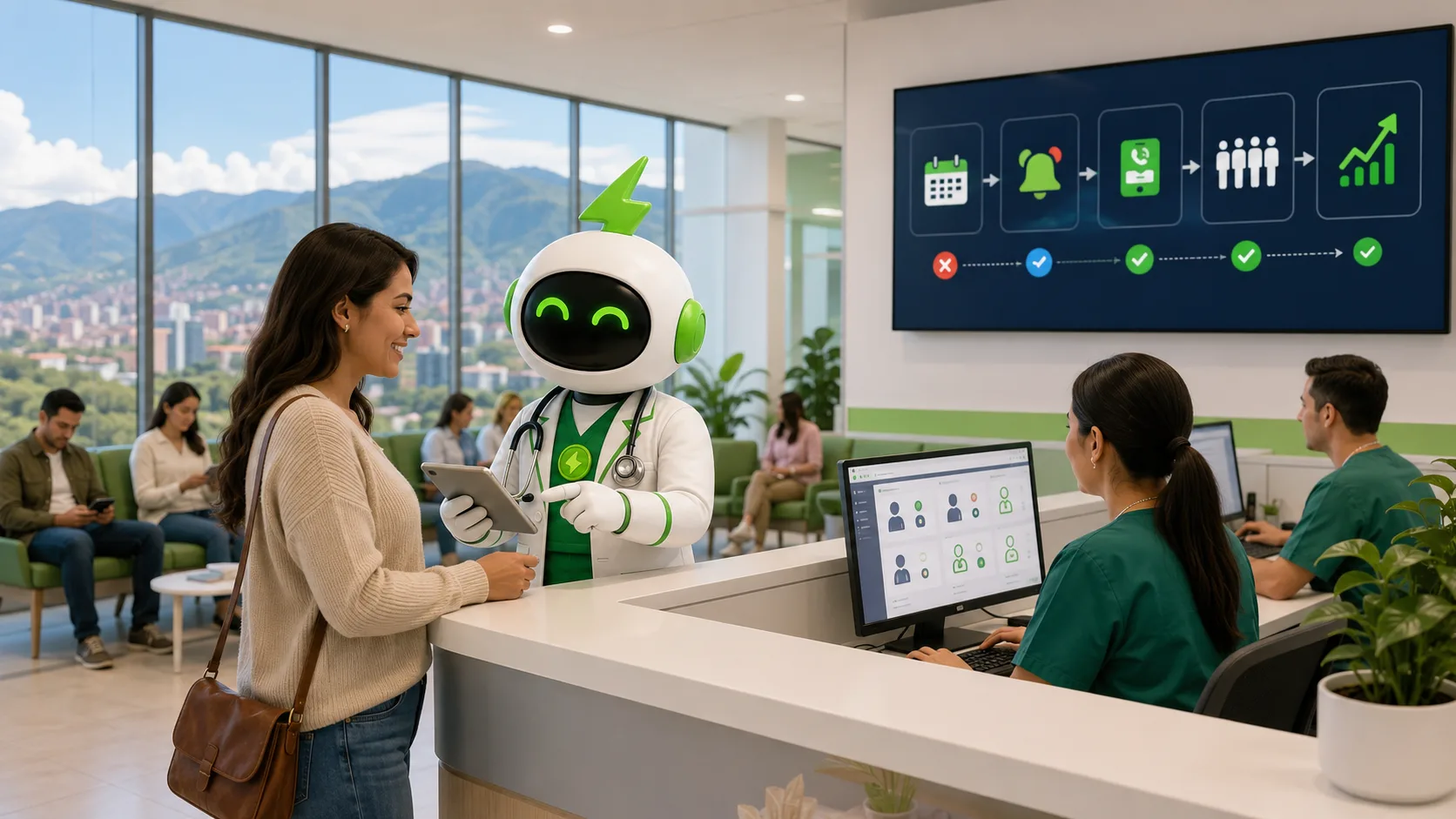
Medellin in focus: local causes of missed appointments, population profile and the measures that hold up in the city.
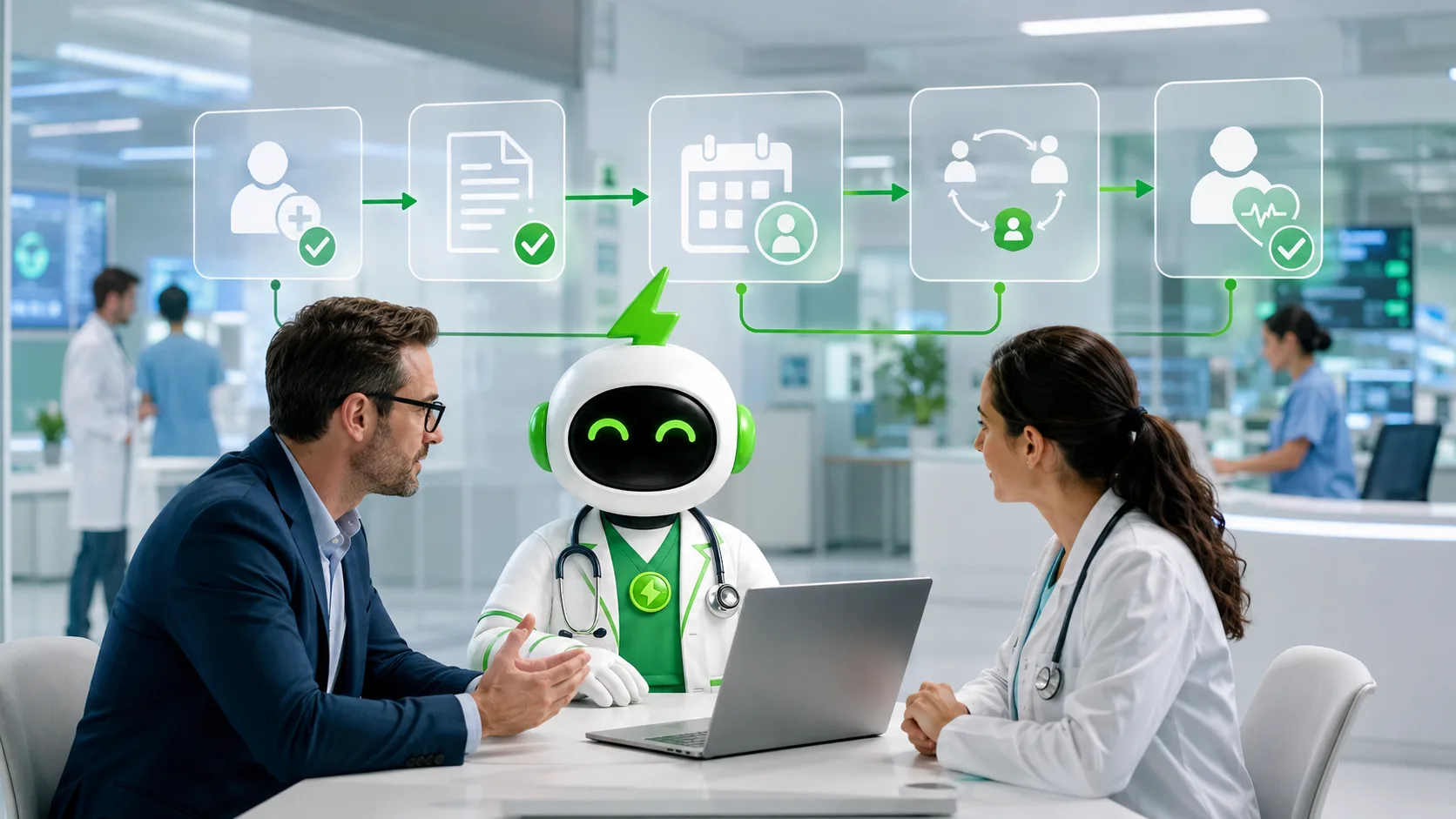
Two specific chains: getting an authorization through, and following the patient afterwards without manual rework.
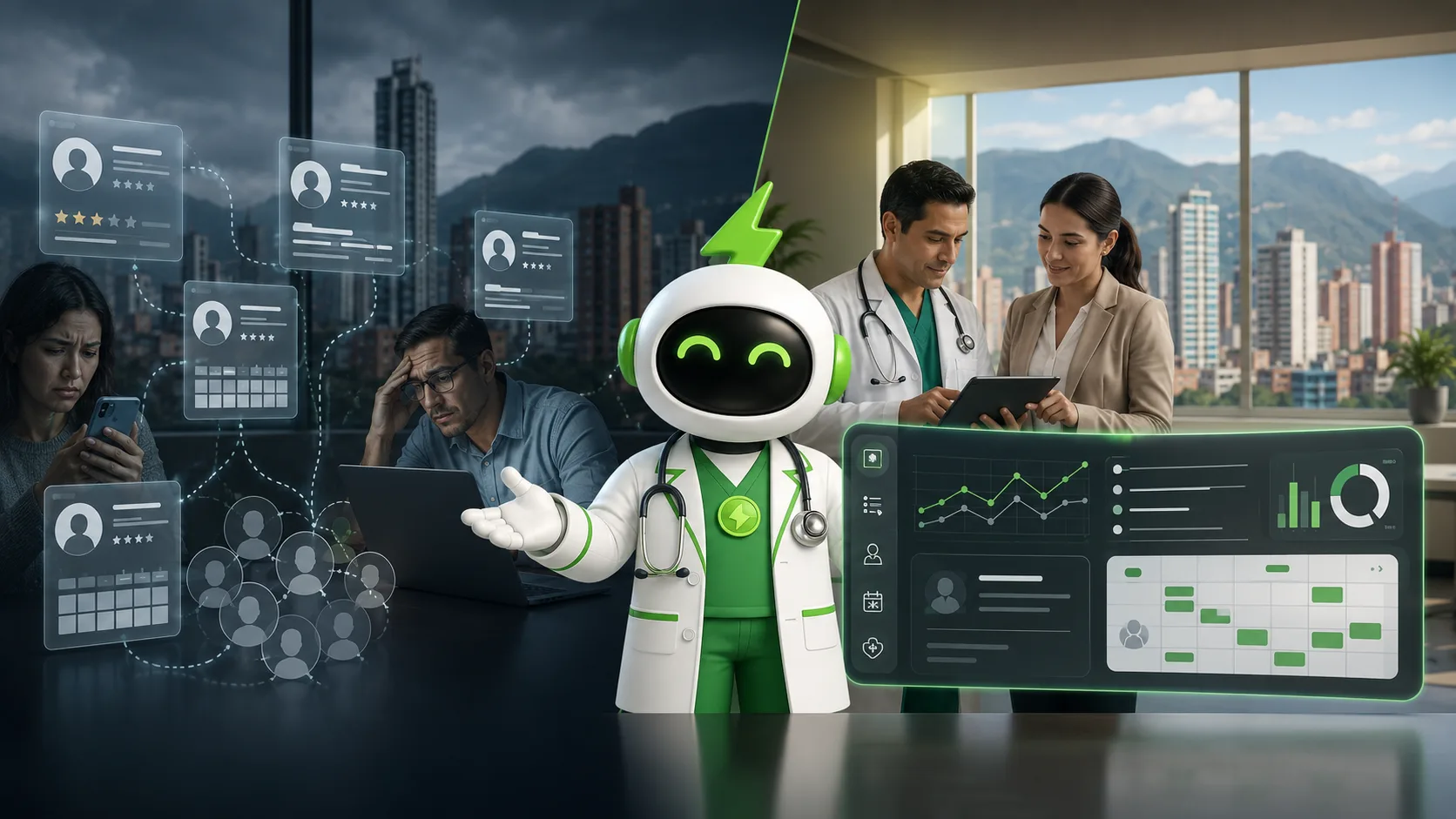
A practical comparison of when a clinic needs patient discovery and acquisition, and when it needs control of operations, scheduling and follow-up.
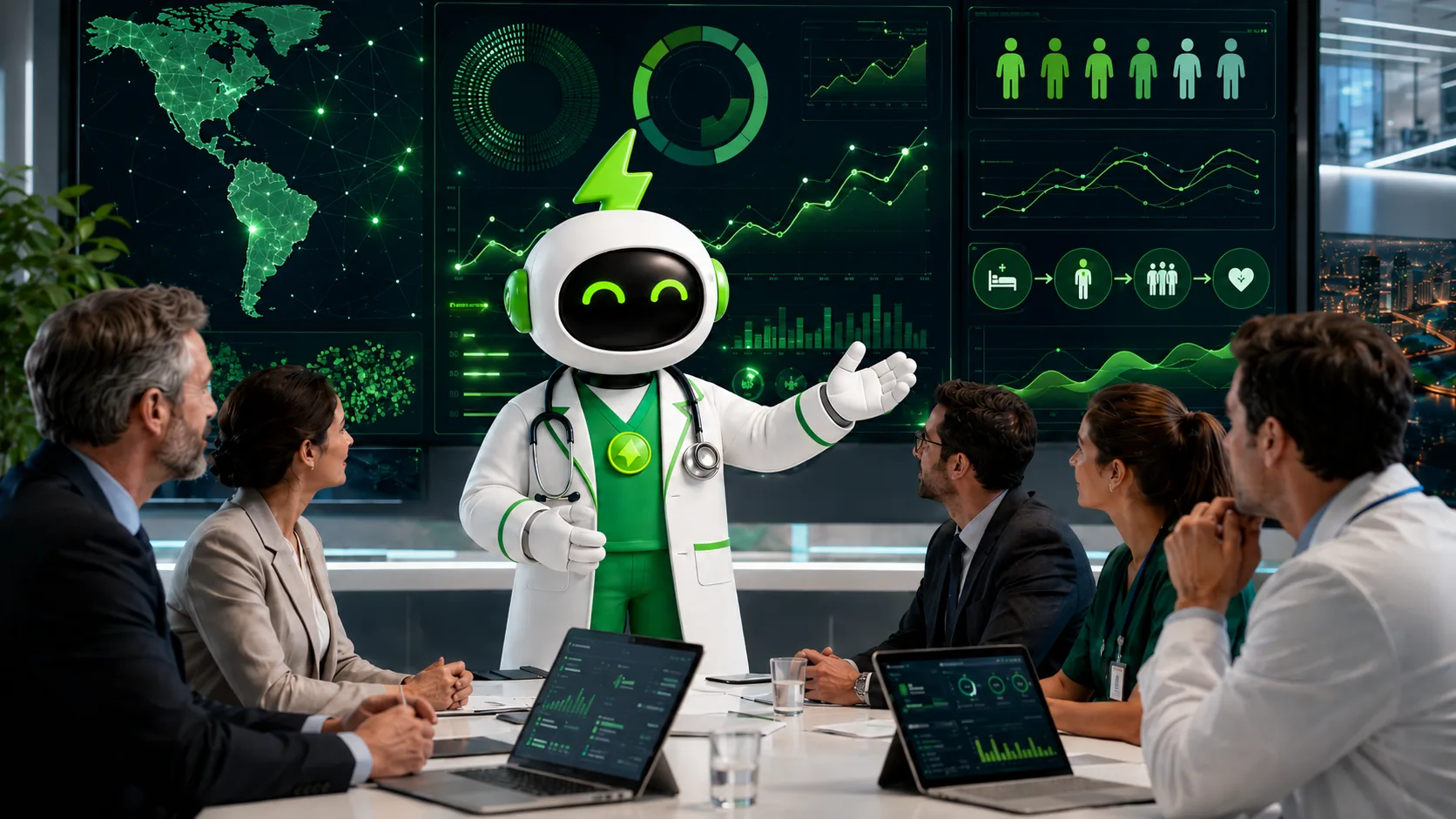
A practical guide for Latin American clinics and hospitals to connect scheduling, demand, documents and operations through measurable artificial intelligence.
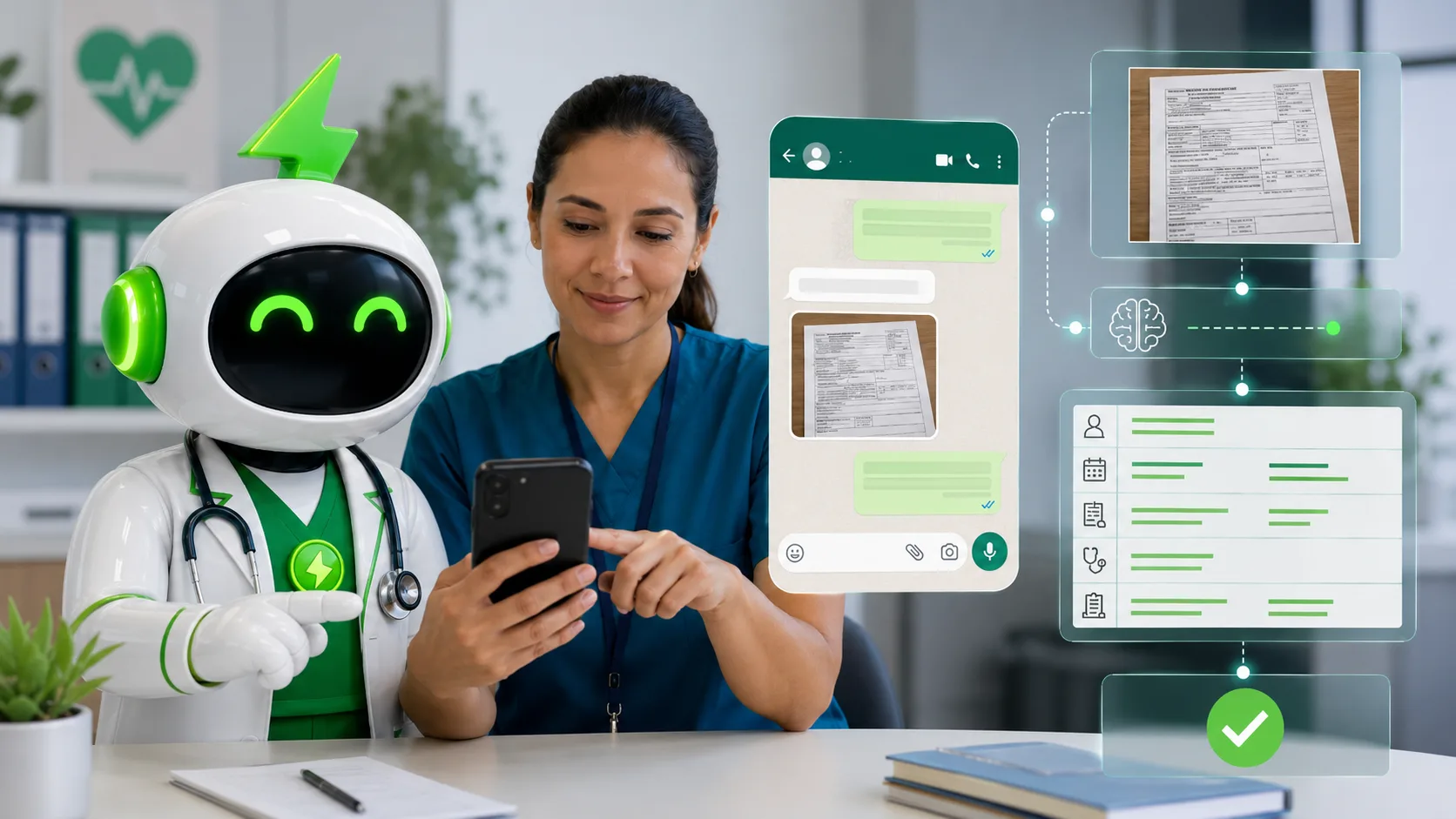
Clinical OCR must go beyond text extraction: it helps read, validate and turn medical documents into operational actions for clinics and healthcare providers.
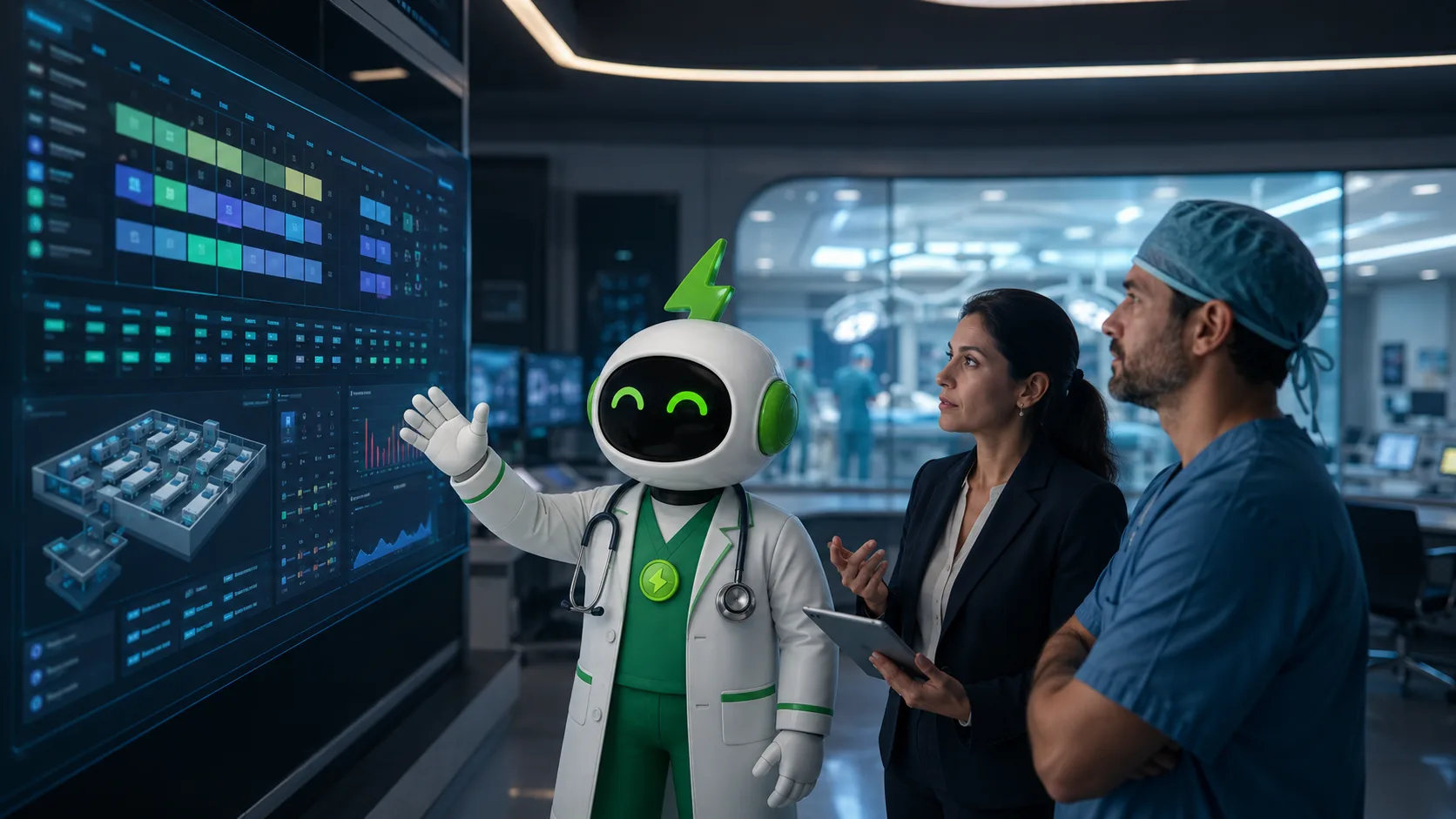
Modern surgical management connects schedules, resources, documents, beds and traceability to optimize operating rooms in LATAM hospitals.

The electronic health record (EHR) is the foundation on which all modern digital health is built. This article explains what a serious EHR must enable, its regulatory framework in Colombia and how it integrates with scheduling, telemedicine and clinical OCR.
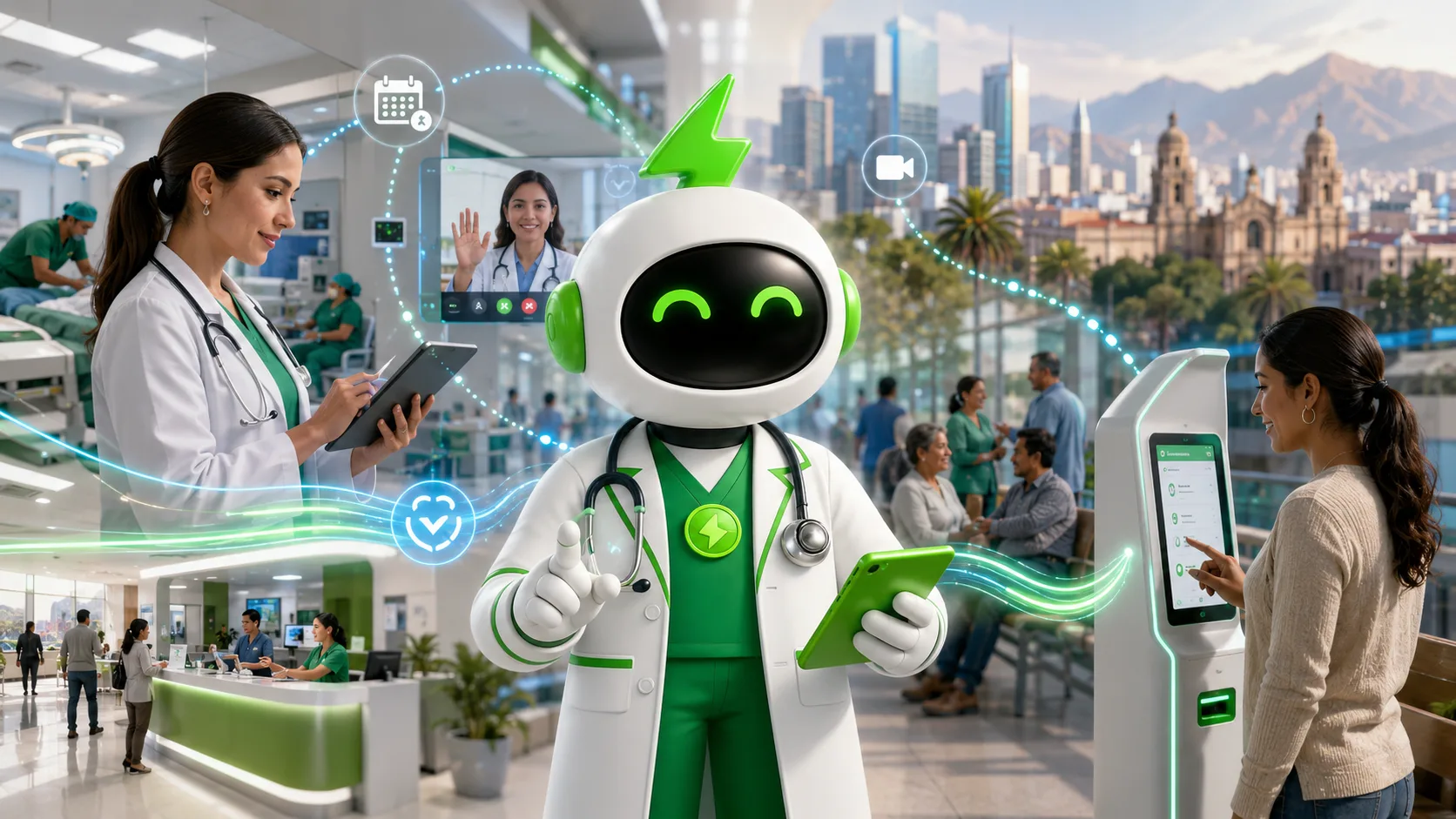
Digital health in Peru is moving from isolated pilots to solutions that connect appointments, waiting rooms, operating rooms, clinical documents and patient communication.
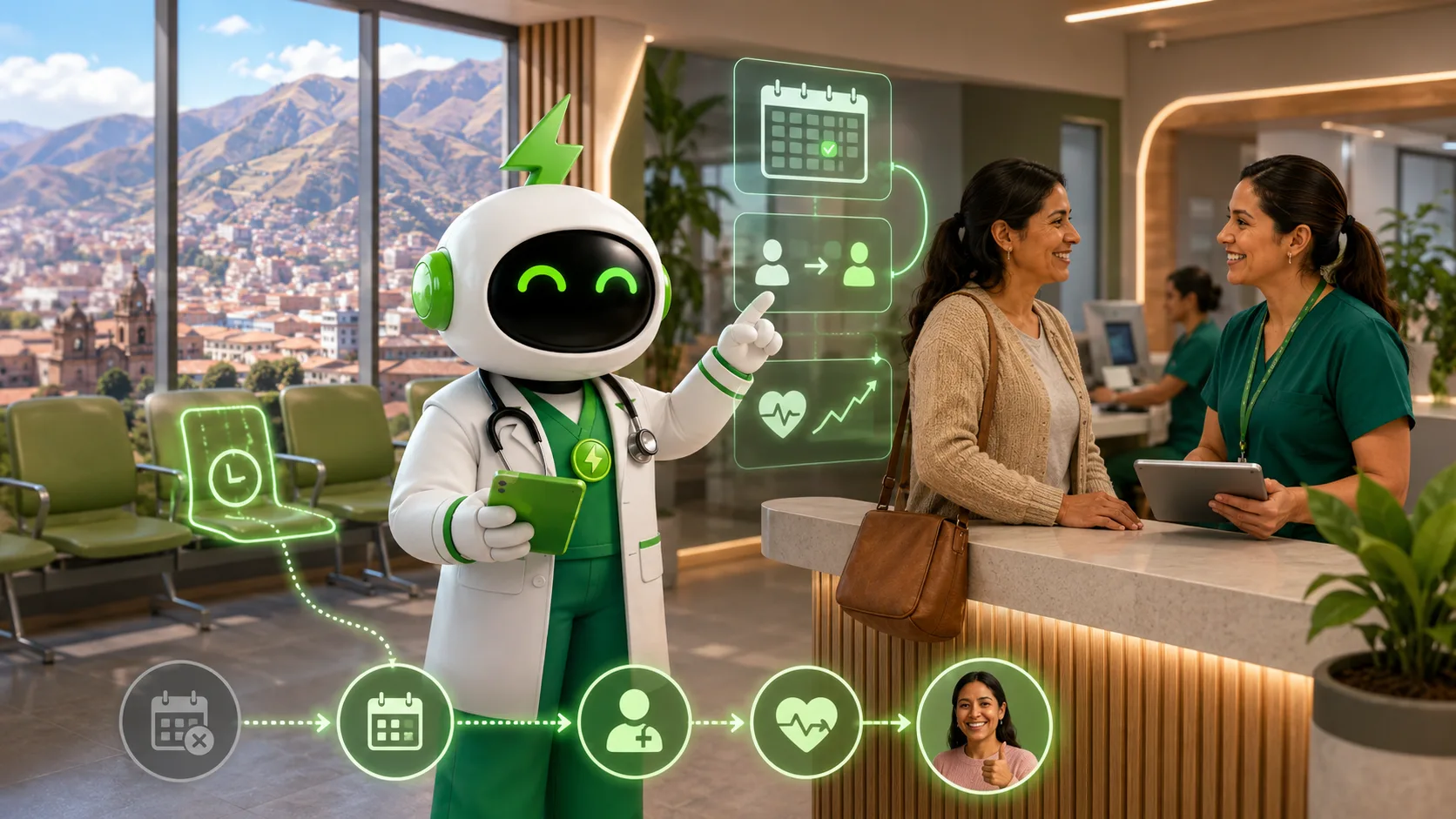
Missed appointments affect access, revenue and continuity. Automation helps confirm, reschedule and recover capacity without expanding infrastructure.
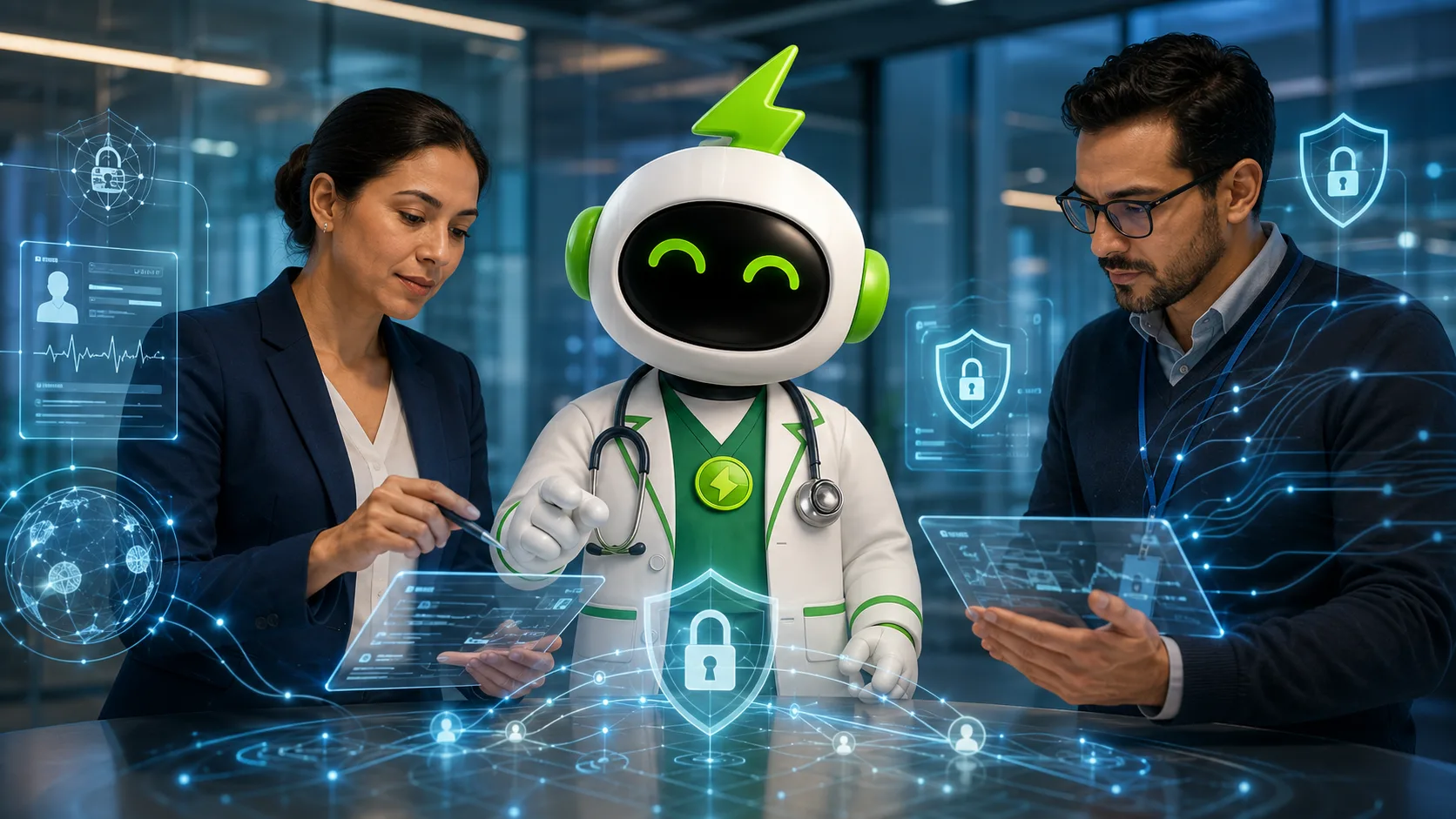
Healthcare AI must operate with consent, traceability and clear limits. Innovation also means protecting clinical data and patient trust.
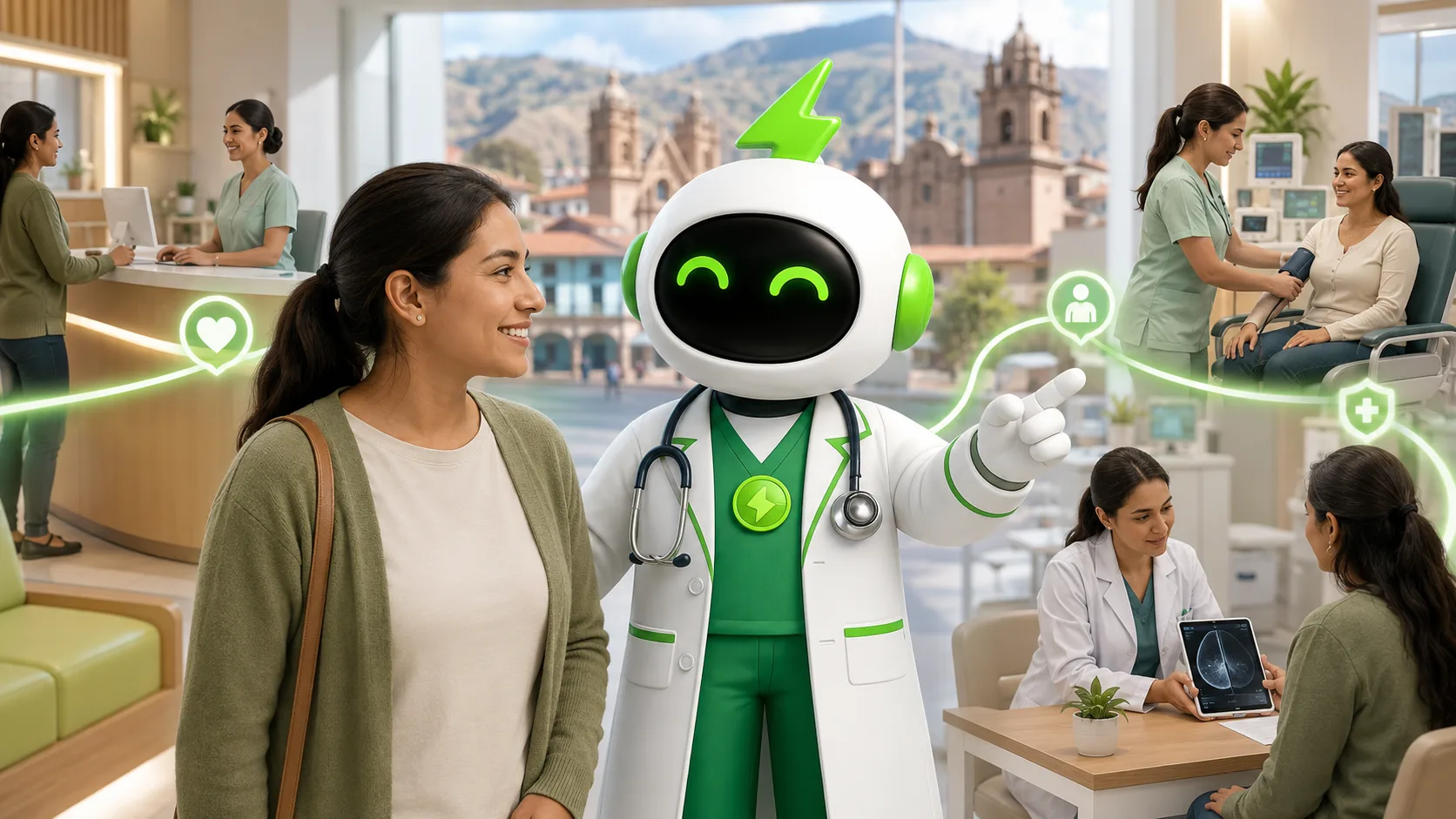
Preventive campaigns need more than medical slots: they require outreach, confirmation, attendance and measurable follow-up.
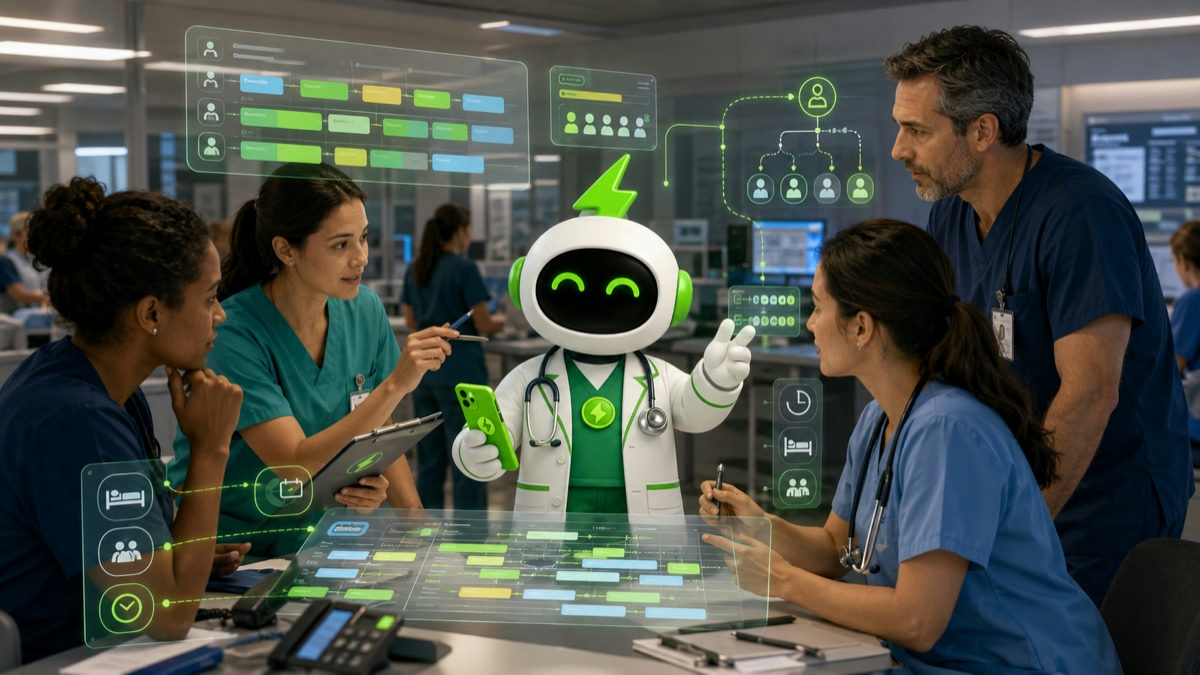
Reducing no-shows requires connected scheduling, multichannel confirmation, waitlist recovery and operational data.
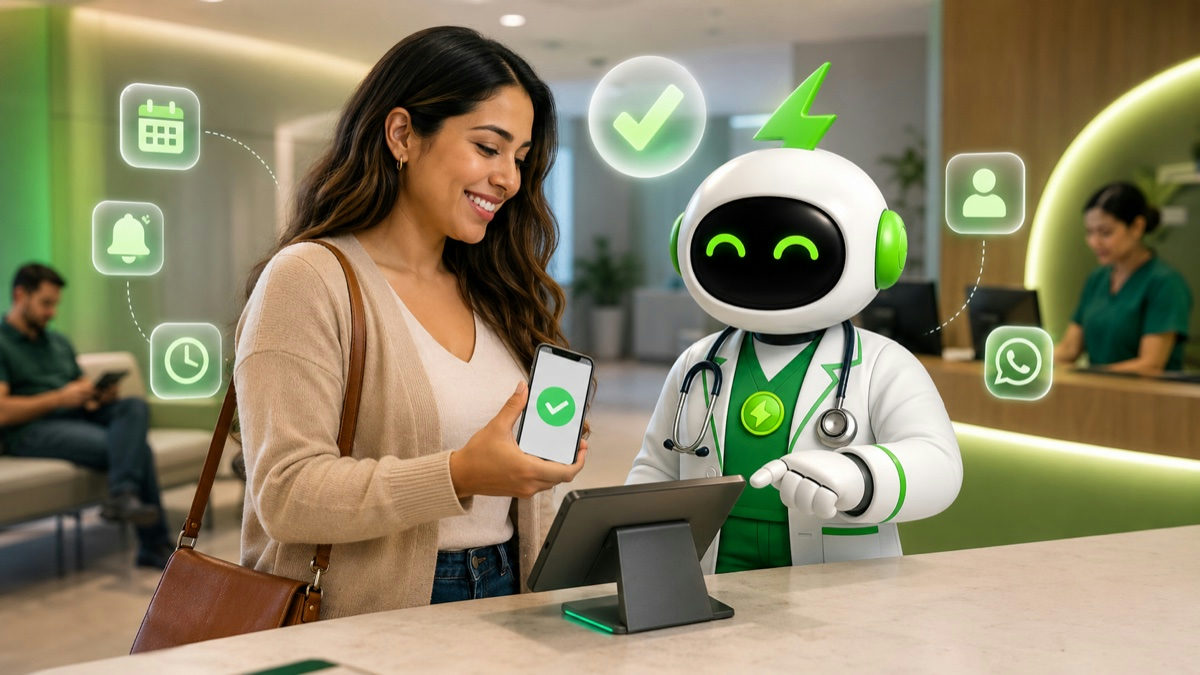
AI queue management connects scheduling, arrival, waiting rooms, demand and capacity to improve patient flow.
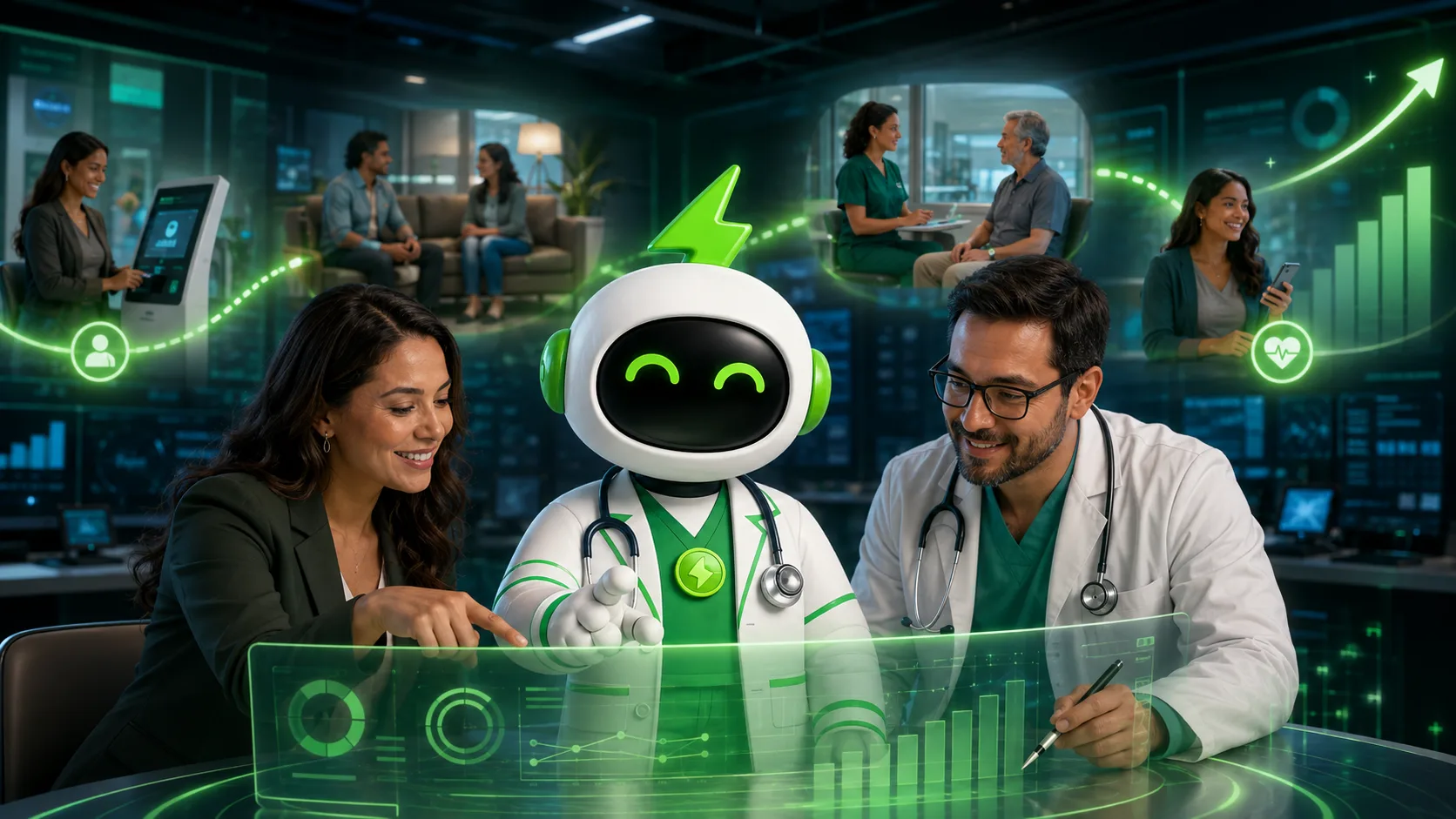
Patient experience in clinics is a financial indicator before it is a service one. This article shows how a digital queue system reduces waits, improves NPS and increases retention, and how to link those metrics with revenue.
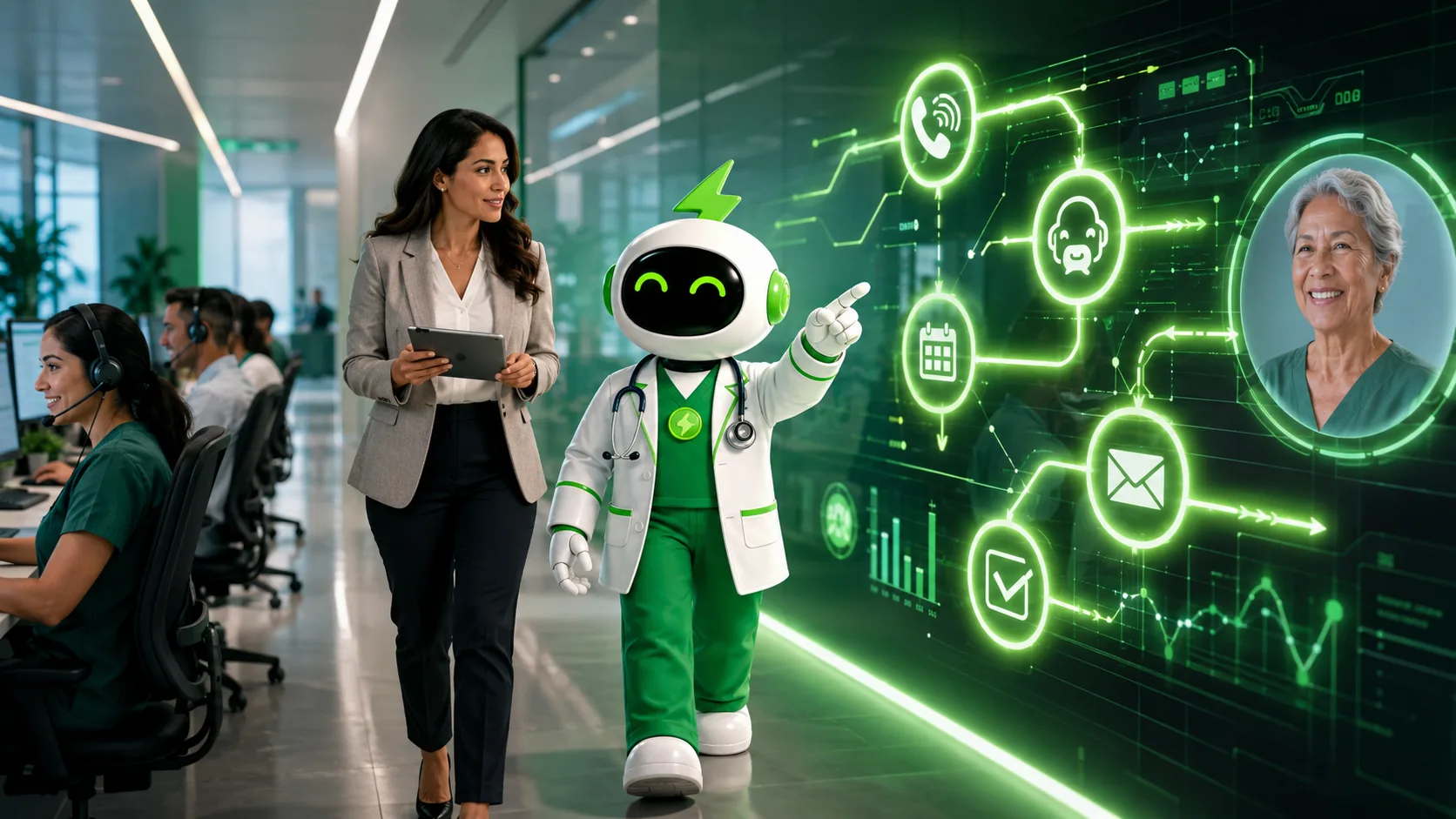
The medical call center is one of a clinic's largest cost centers. This article explains how intelligent IVR, voicebot and AI scheduling reorganize the operation and cut the access cost per slot by more than 80%.
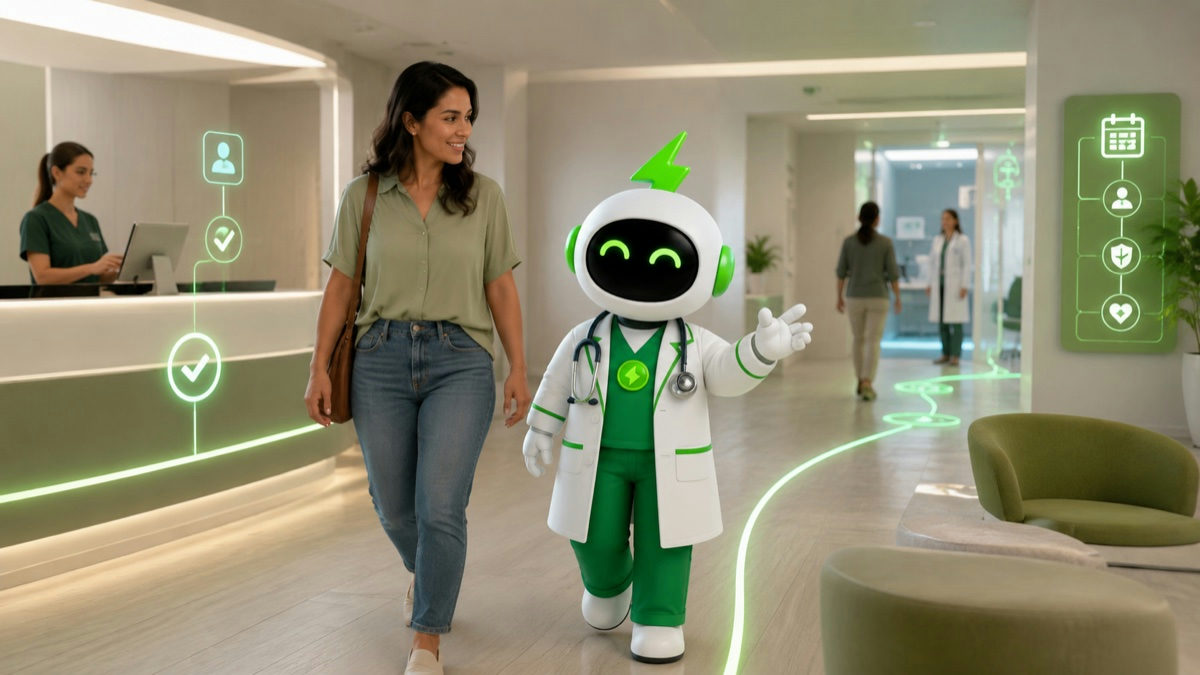
Patient flow improves when scheduling, waiting room management, reminders, pending demand and operational data work as one operating model.

Clinical OCR turns PDFs, images, medical orders and authorizations into useful data to reduce manual validation and accelerate scheduling.
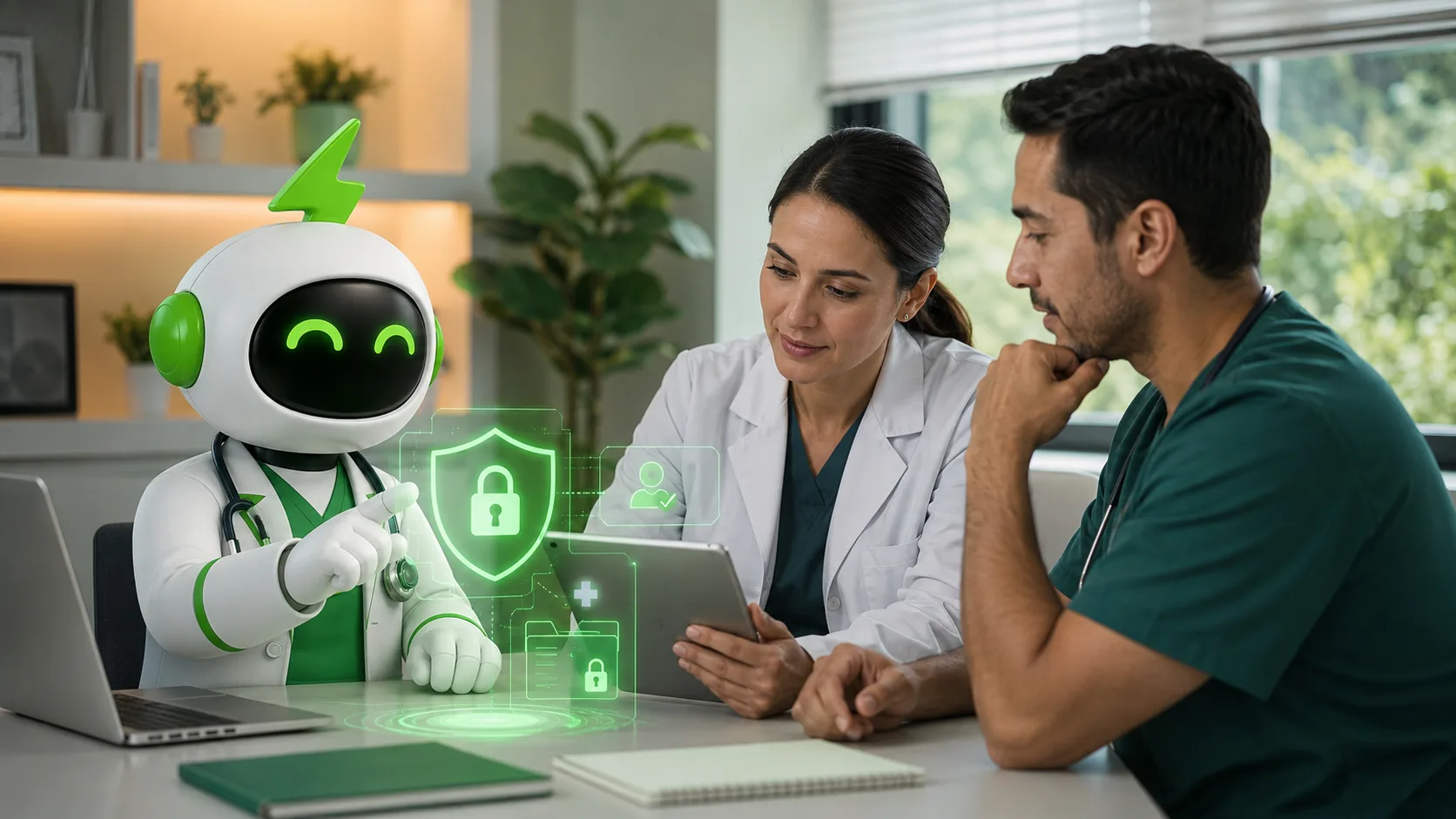
Trust is part of the operation, healthcare automation cannot scale if patient data is not protected. A poorly segmented campaign, exposed clinical data or an integration without traceability affects more than efficiency. It affects trust.
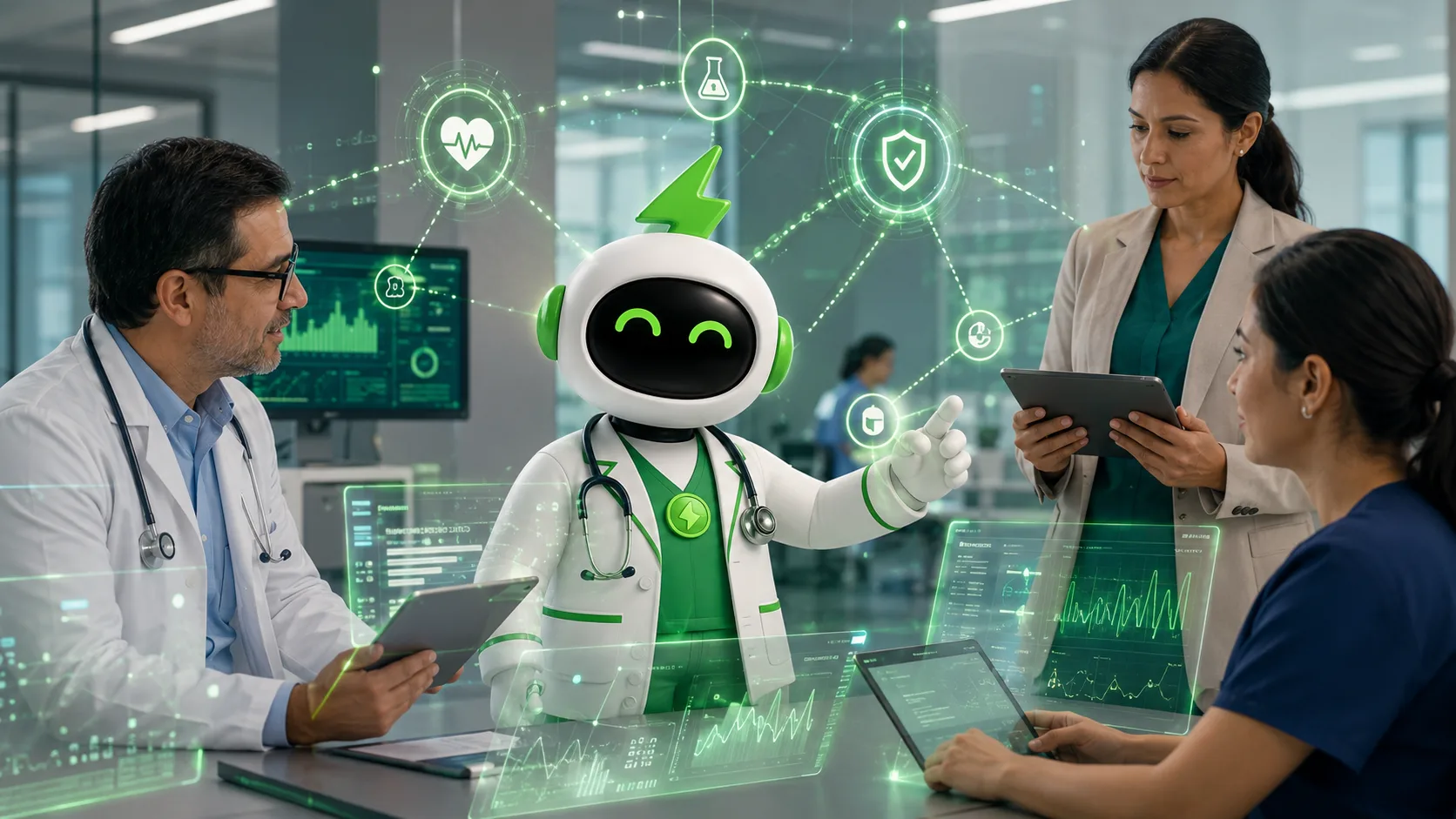
Interoperability is no longer just a technical project. It is an operational need. In healthcare, every minute lost between systems affects care. An unconfirmed appointment, an order waiting for manual validation or a schedule that does not update in time creates friction for patients and revenue leakage for providers.
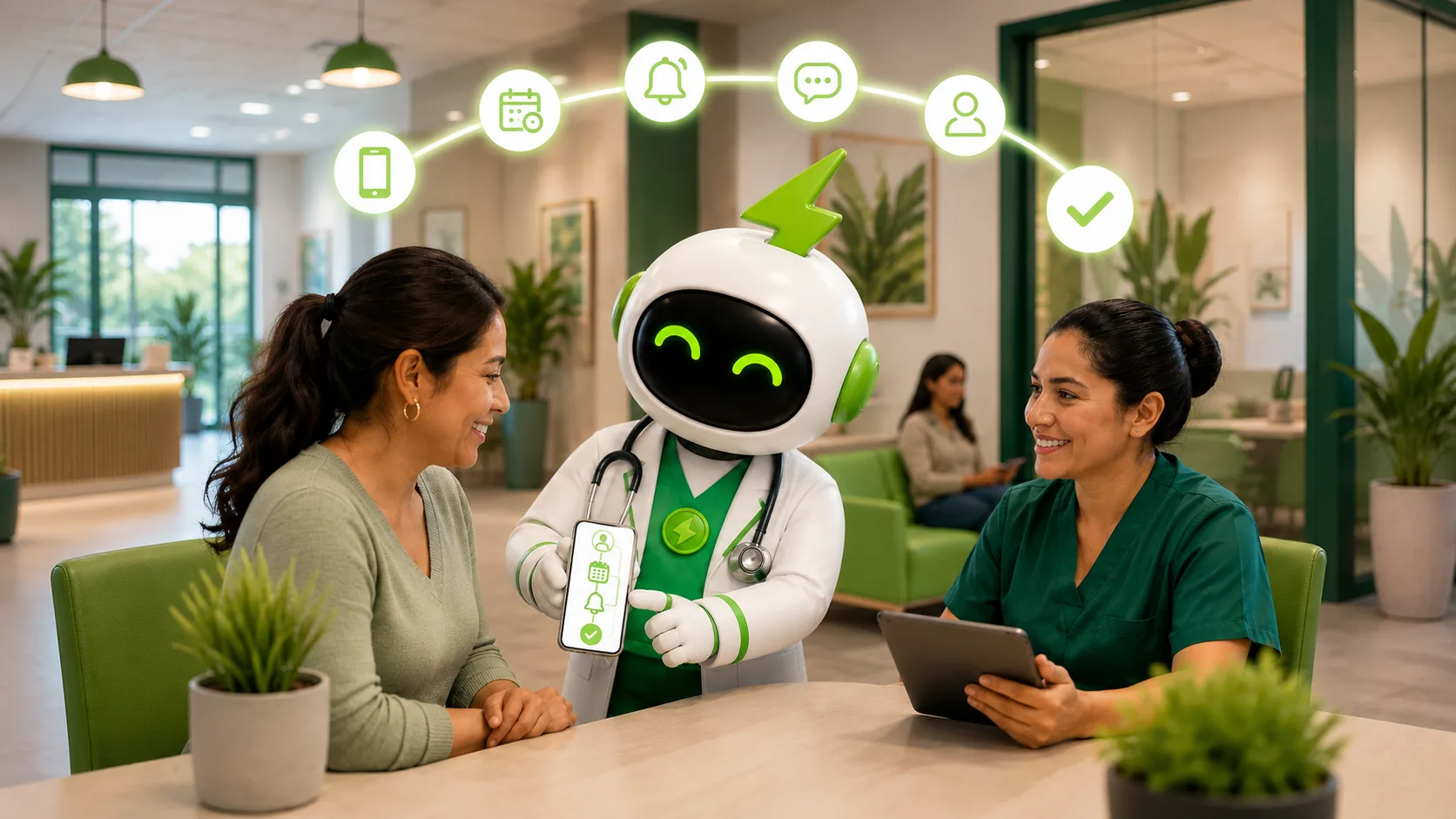
In healthcare, a schedule is not just a calendar. It is revenue, access, continuity of care and patient experience. When an appointment is missed, the institution does not only lose a time slot. It loses installed capacity, team time and operational margin
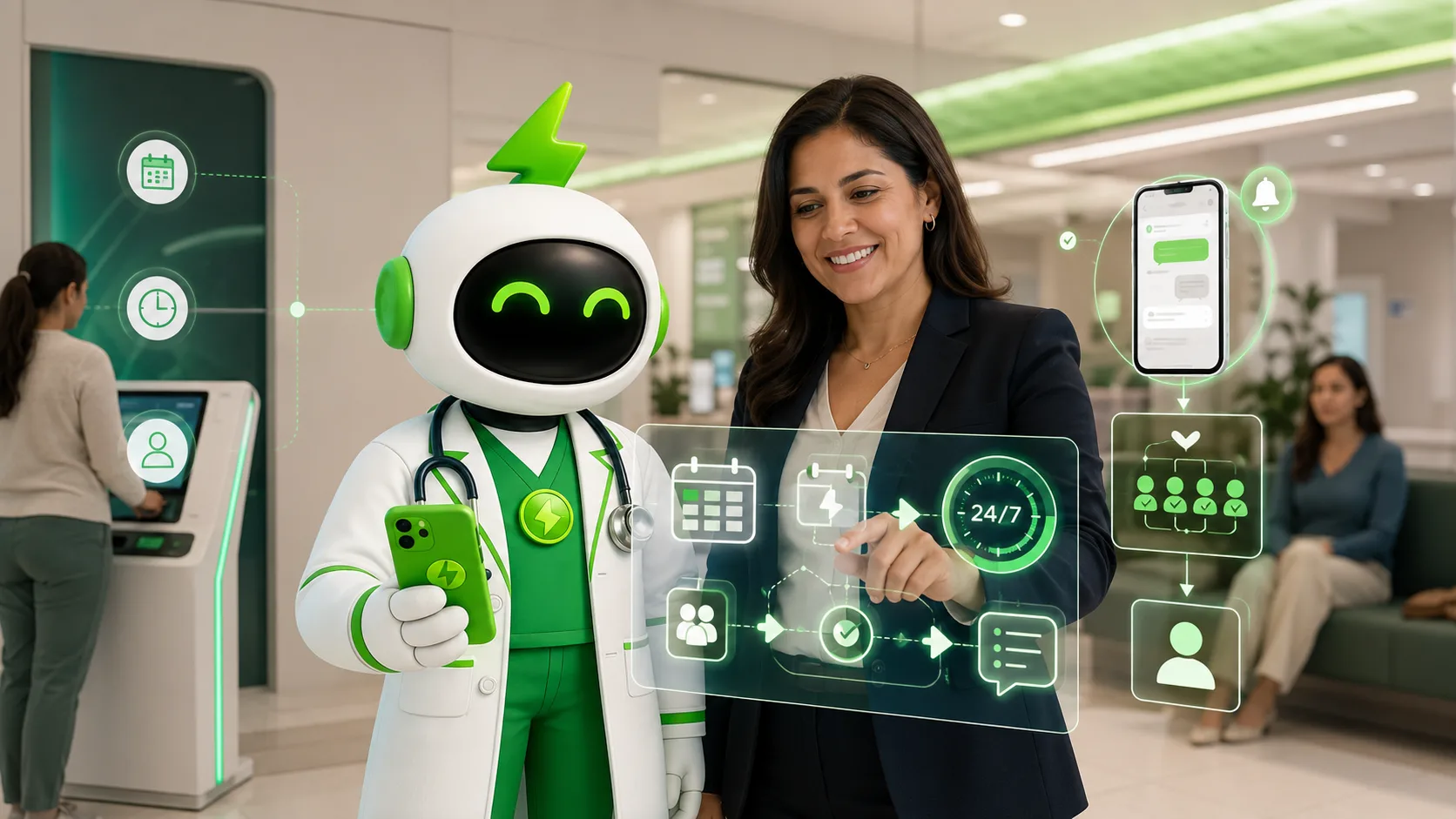
Every appointment that is not confirmed, canceled too late, or left unfilled creates two immediate problems: a patient waits longer, and the organization loses capacity and revenue. The issue is not always lack of demand. It is often an operation that cannot react fast enough
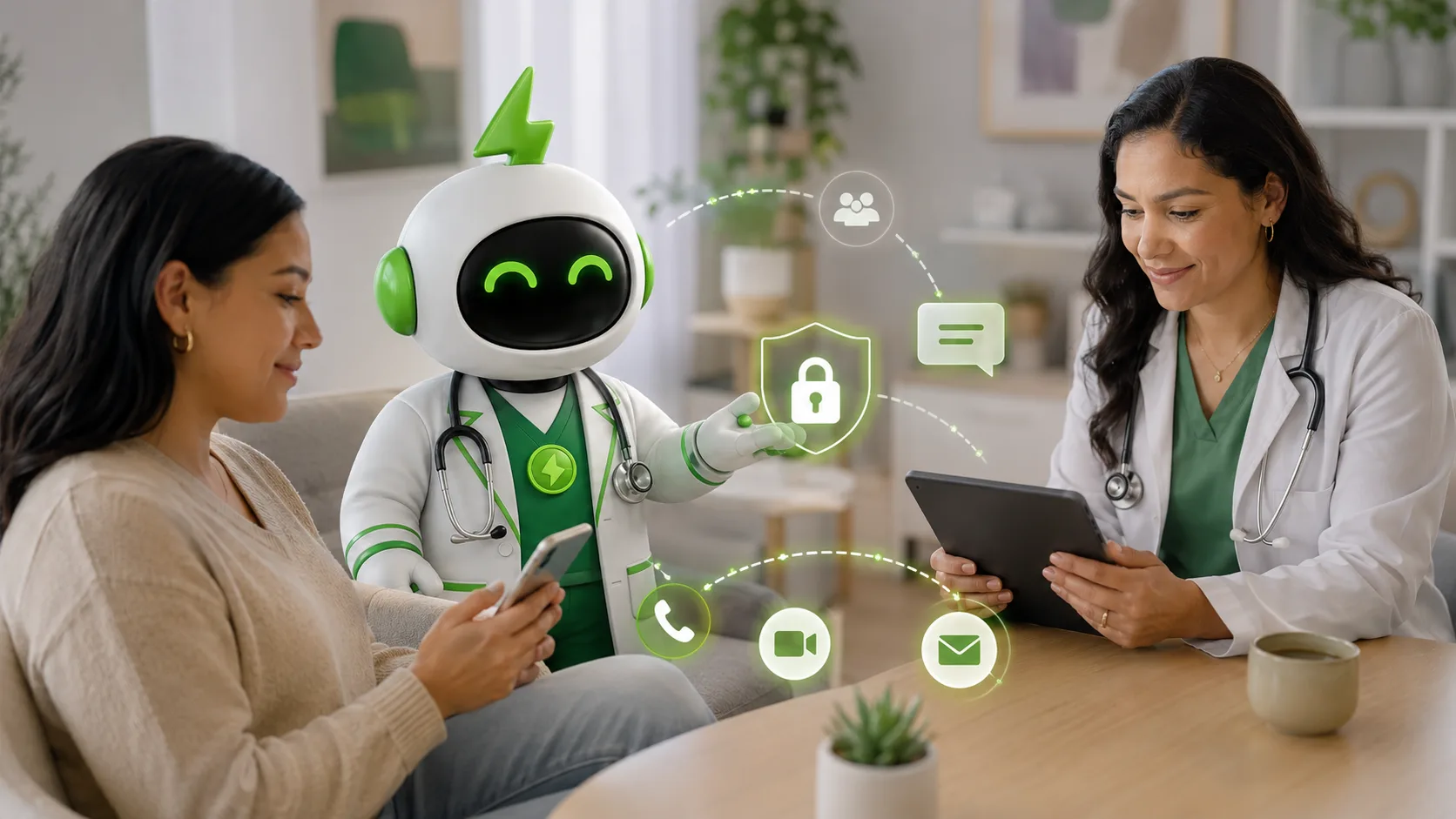
Patient communication cannot depend only on the call center. It also cannot live in scattered messages, spreadsheets or conversations without traceability
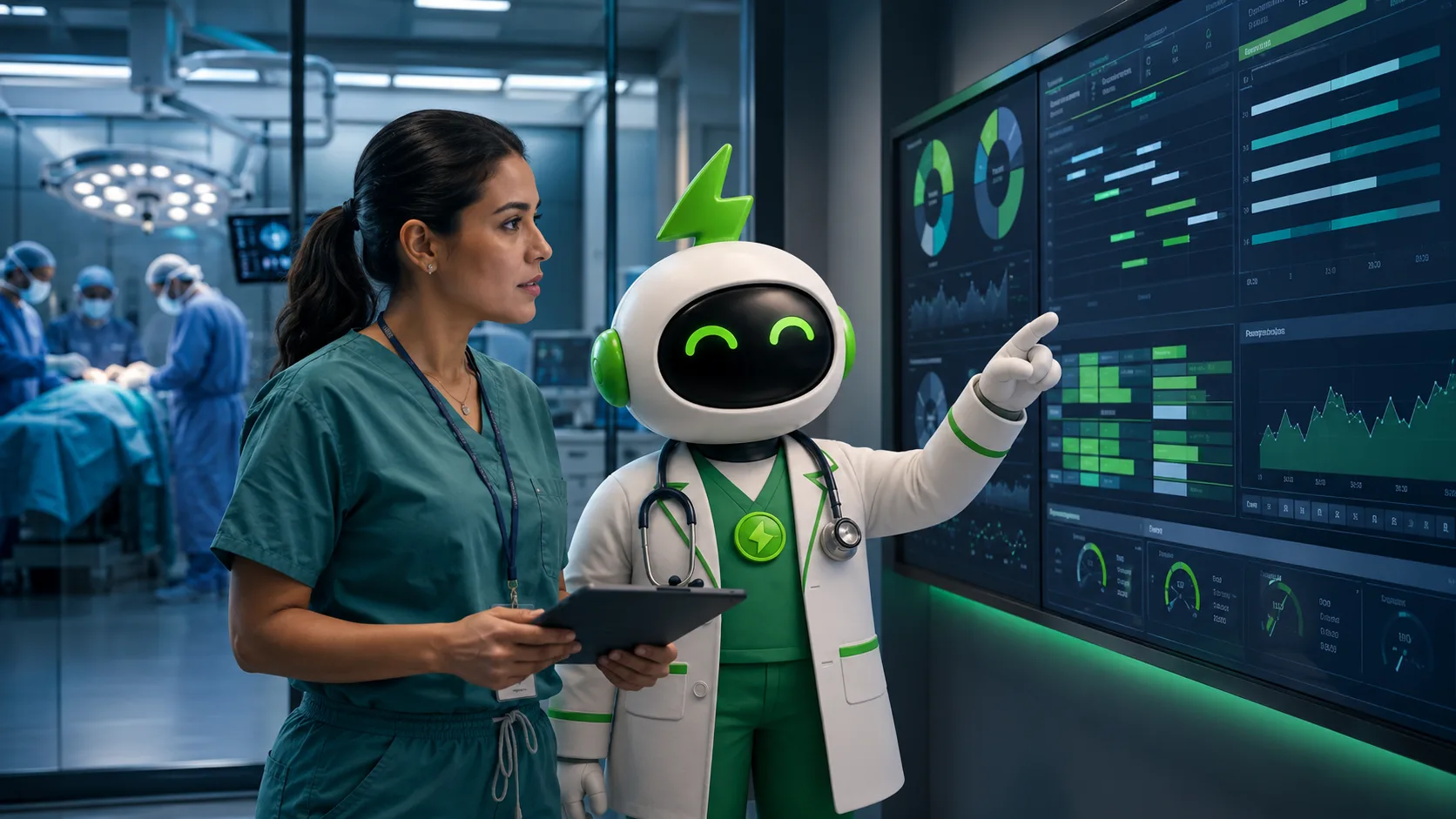
An empty operating room is not just unused space. It is lost revenue, idle capacity and a patient who waits longer than needed

Technology-based chronic patient monitoring improves both clinical outcomes and a provider's recurring revenue. This guide explains the four capabilities —reminders, telemonitoring, campaigns and prioritization— that change the game.
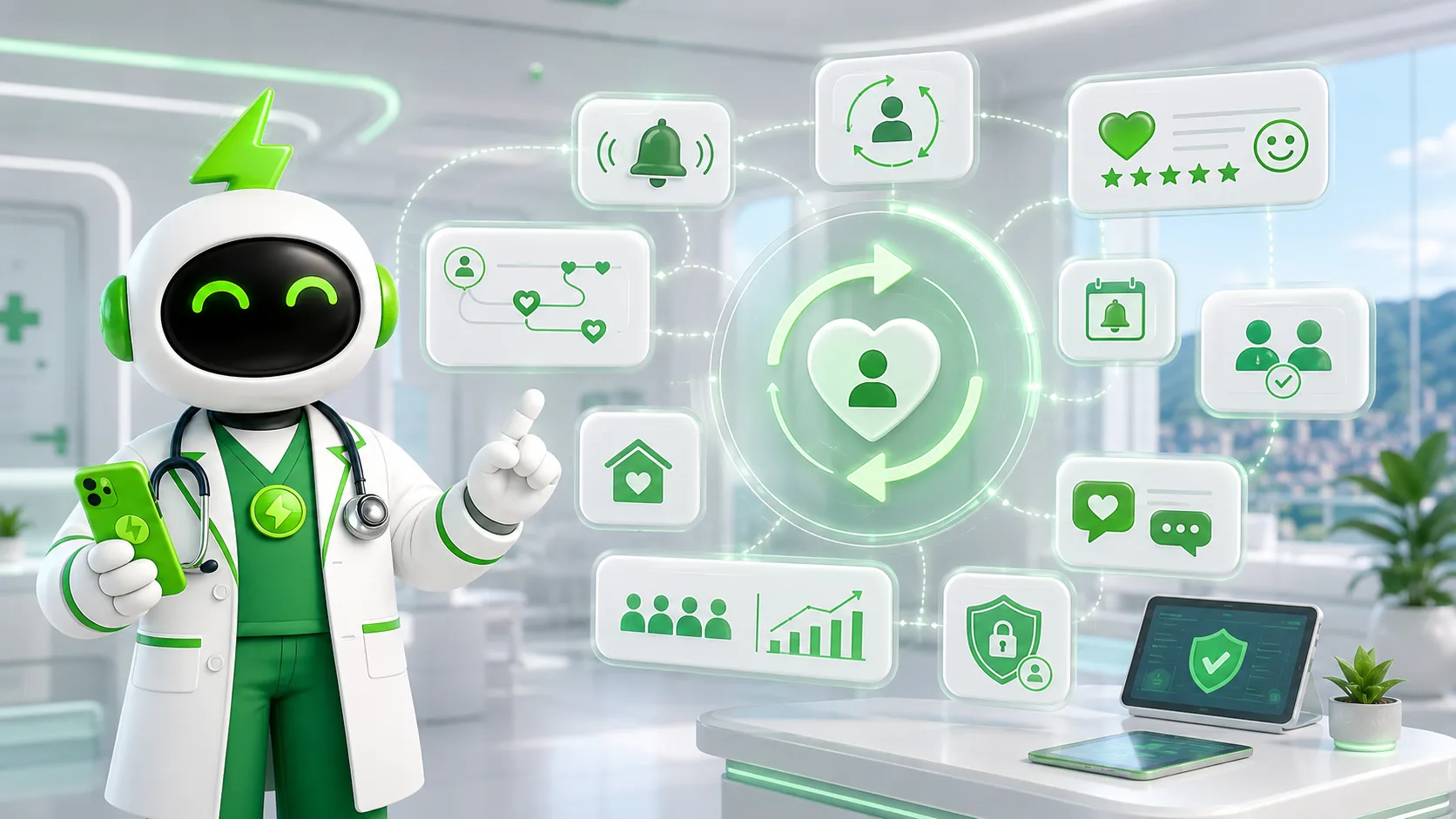
Patient retention in clinics is not won with loyalty cards, but with technology and data. Discover the three levers —automated follow-up, smart reactivation and frictionless experience— that drive real retention.
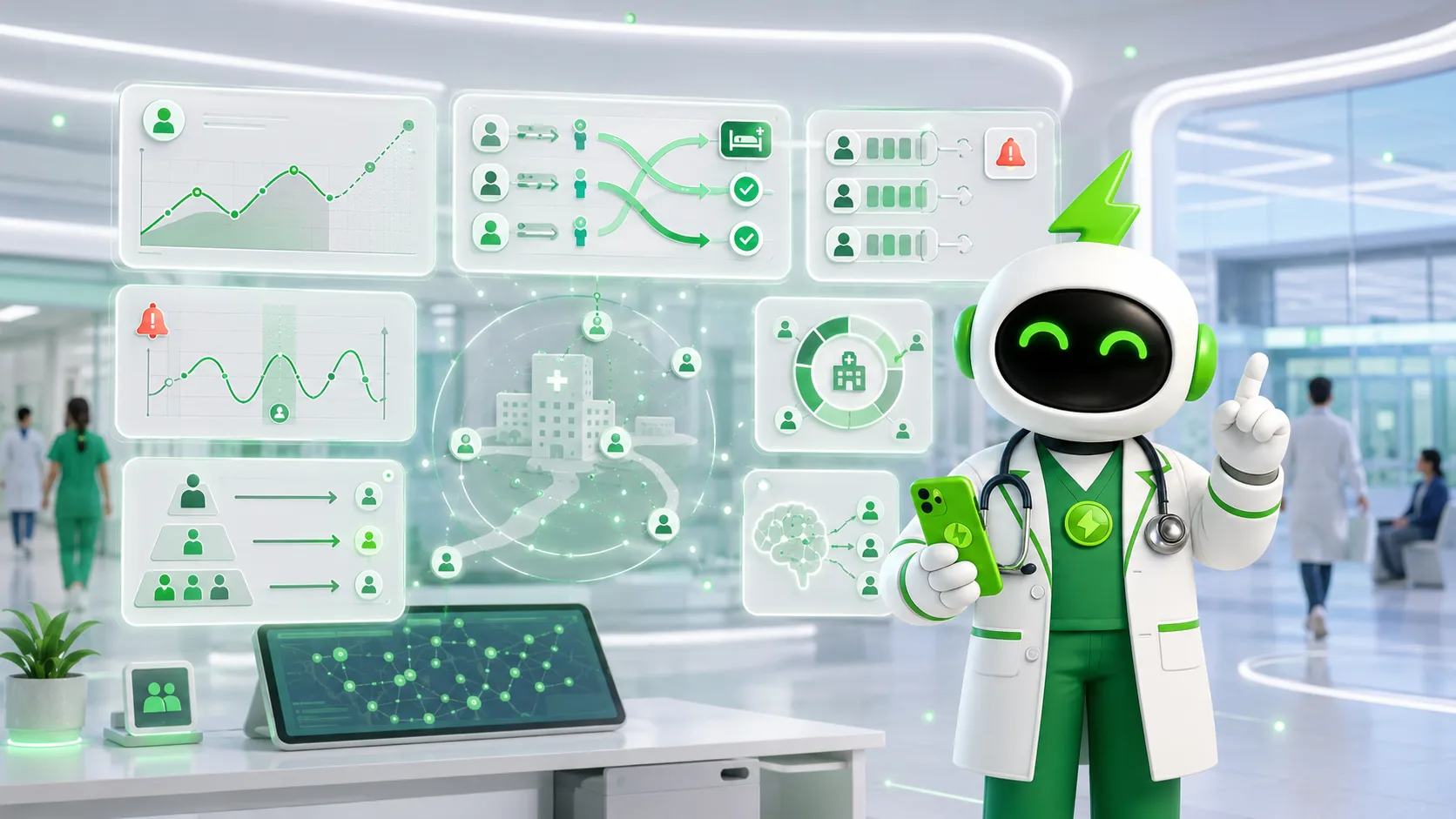
Induced demand in healthcare is no longer a theoretical concept: today it is an operational lever. Learn the three technological levers —campaigns, automated rescue and prioritization— to steer capacity without generating value-less costs.
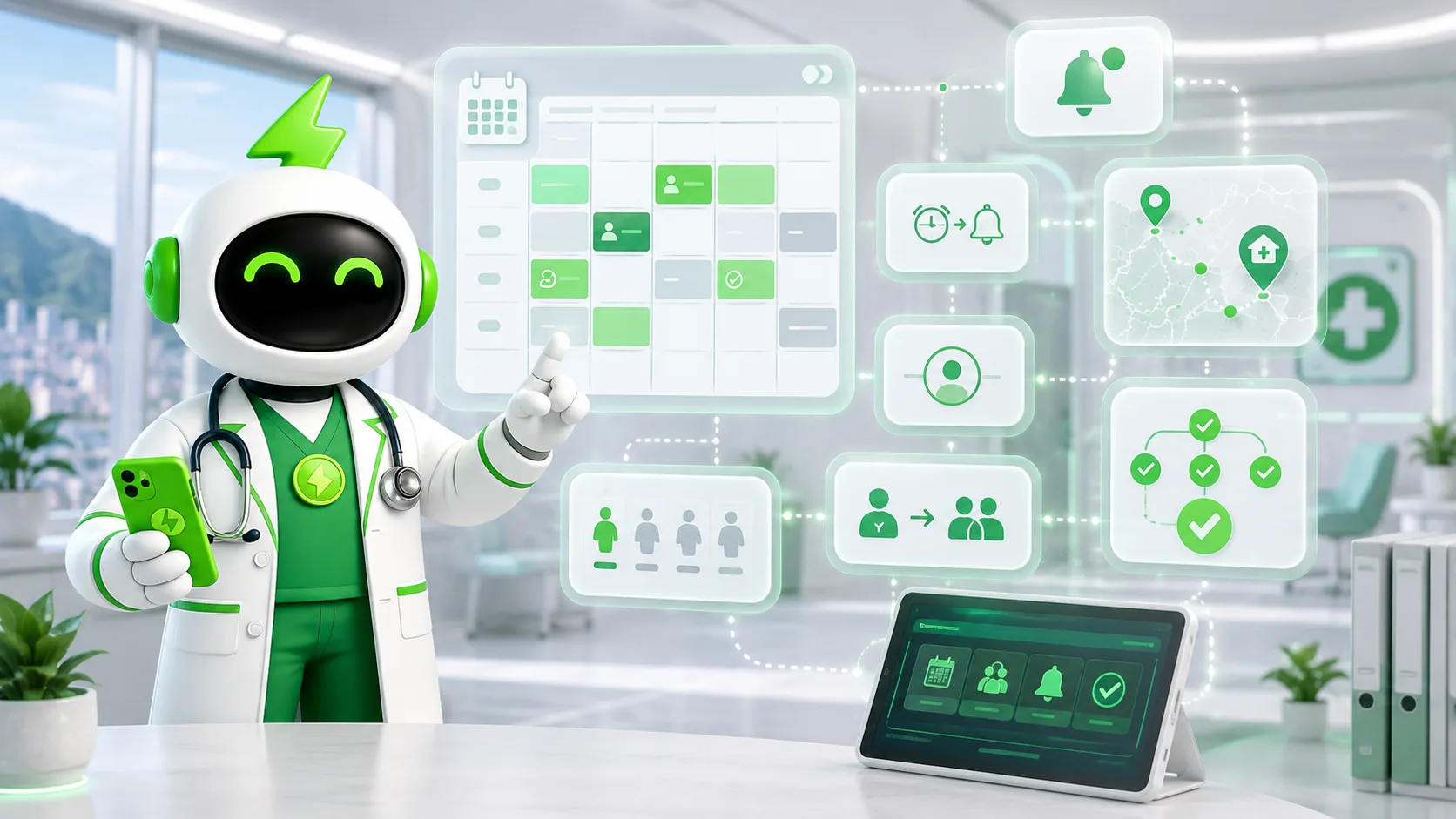
A medical scheduling module is not judged by its calendar, but by what it does when the schedule breaks down. We show you what a standard one offers and the five capabilities that turn it into a truly intelligent engine.
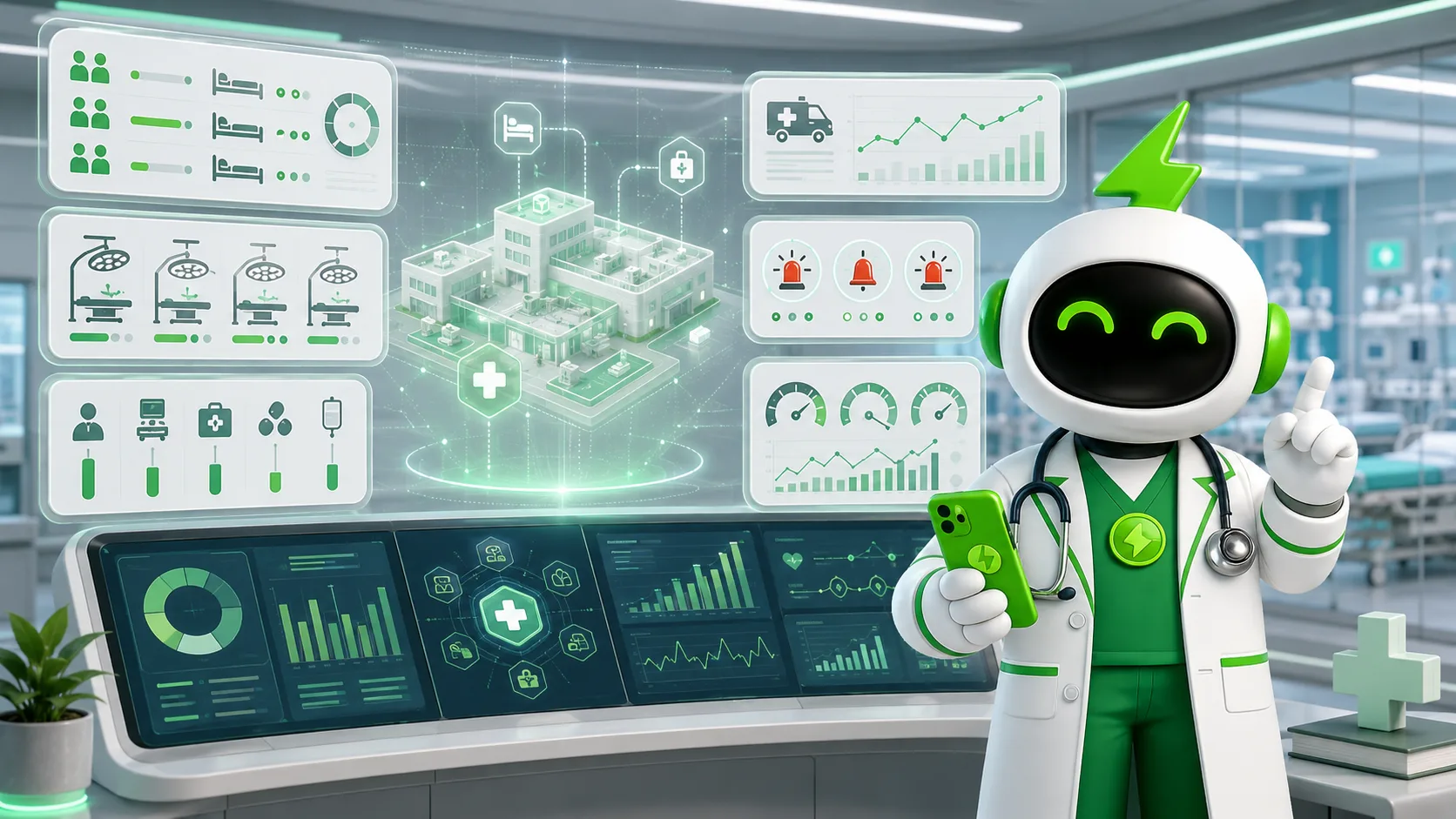
Modern hospital management is about steering installed capacity with real-time data. Discover the five indicators that move the financial needle and how to read them to decide every week, not every year.
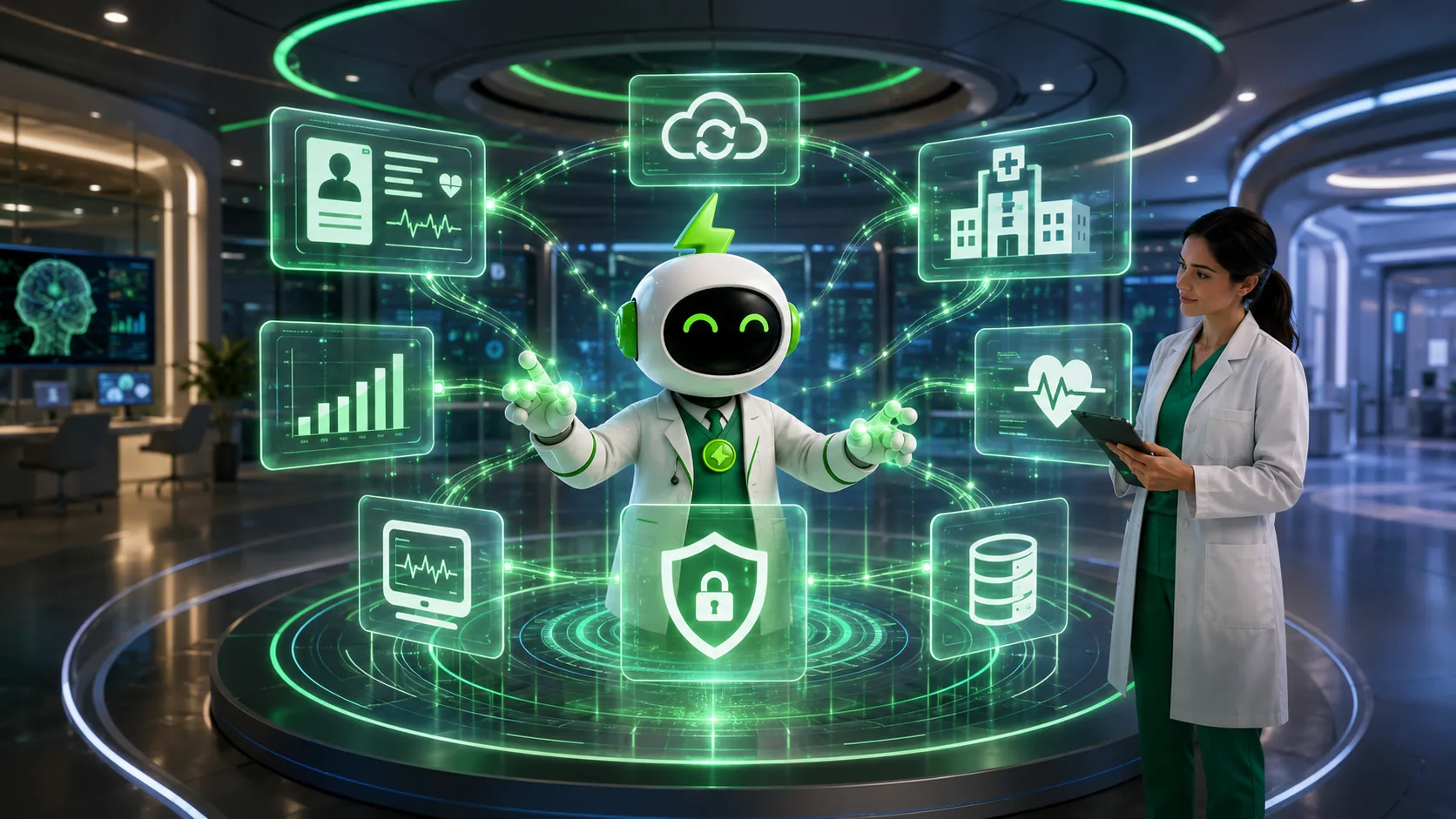
A clinic can have many systems and still operate with limited visibility. Scheduling in one place. Medical records in another. Call center activity somewhere else. Reports in a different tool. The result is clear: more rework, more waiting, and less control
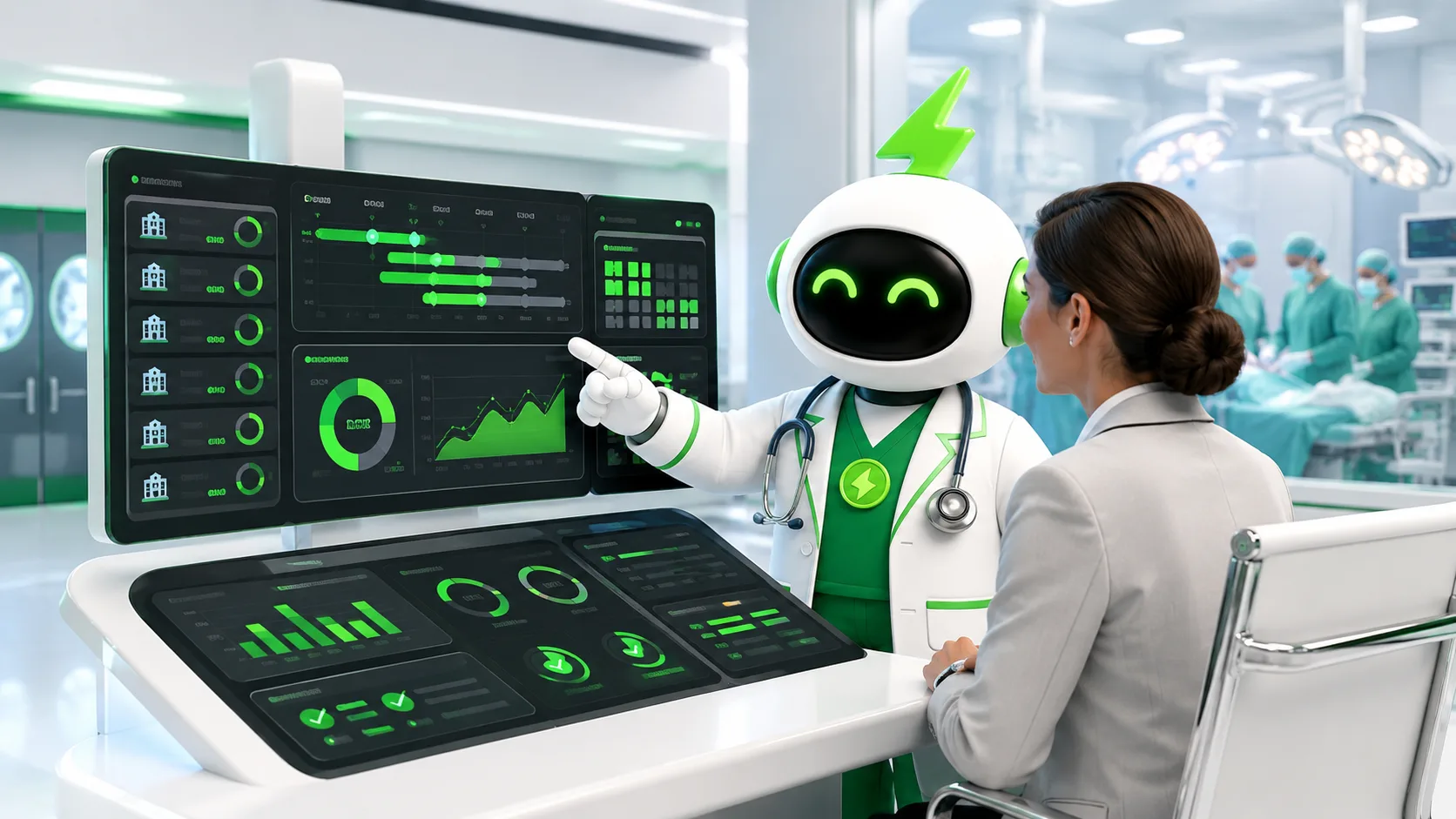
An empty operating room is not just unused space. It is lost time, idle teams, underused talent, and revenue that does not come back. In clinics and hospitals, every minute matters

Digital transformation in healthcare is no longer a tech project: it is a margin decision. Discover the five capabilities that recover cost of access and installed capacity.

Artificial intelligence in healthcare already moves real indicators in clinics and hospitals. These are the applications delivering measurable ROI this year, and those still in development.

What telemedicine is, its types (synchronous, asynchronous, telemonitoring), the legal framework of Resolution 2654, and how it integrates into a clinic's scheduling flow.

One in five medical appointments goes unattended. Learn how AI no-show prediction and automatic slot recovery cut no-shows and recover your clinic's revenue.

Evaluating alternatives to Tuotempo for medical scheduling in Colombia? Learn the six financial criteria that truly set the market's solutions apart.

AI no-show prediction anticipates which appointments will fail and recovers cancelled slots automatically. That is how COCO turns no-shows into a financial lever.
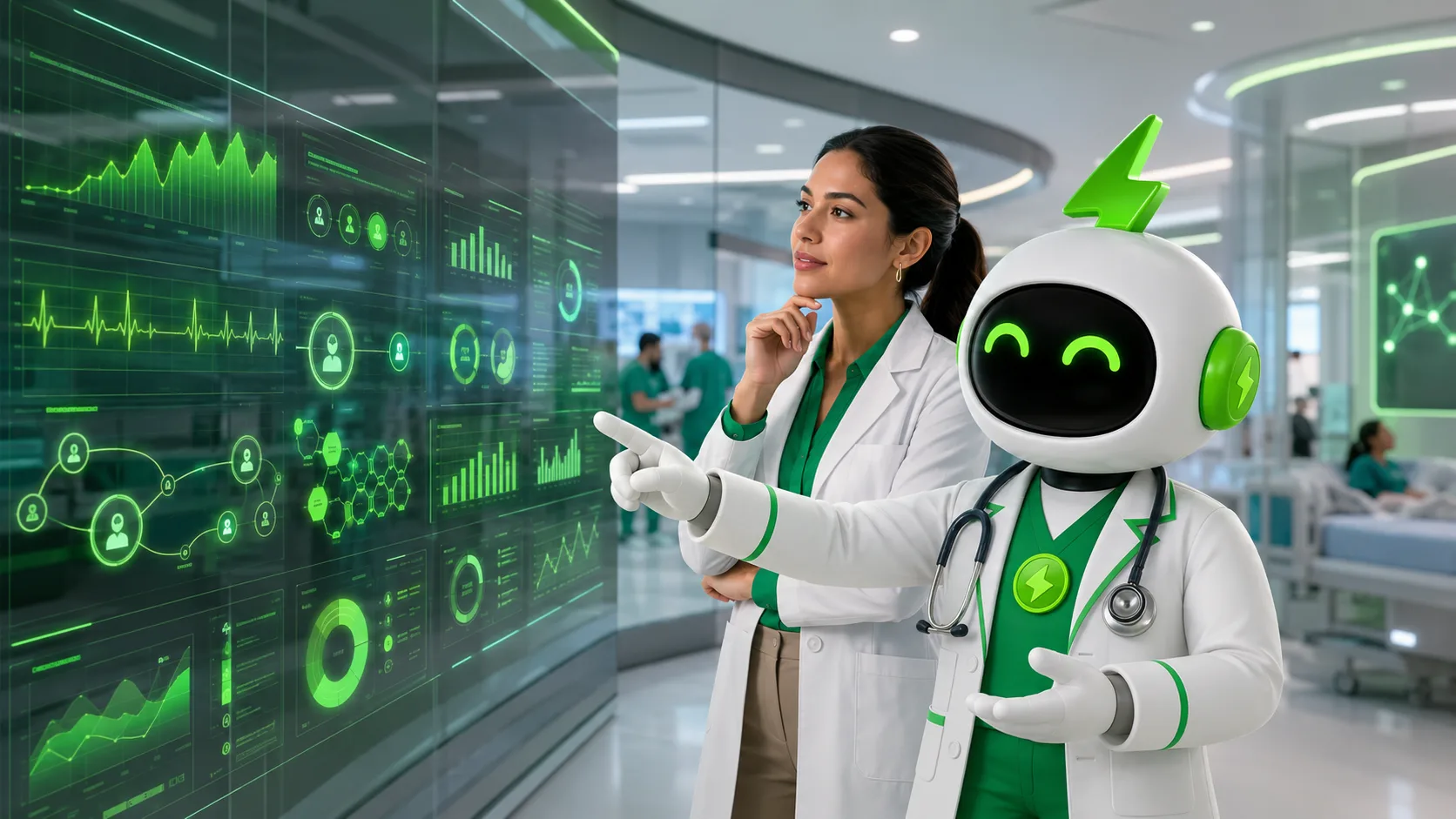
A clinic does not become more profitable just by seeing more patients. Profitability improves when the institution reduces no-shows, recovers demand, uses its installed capacity better and removes daily operational friction
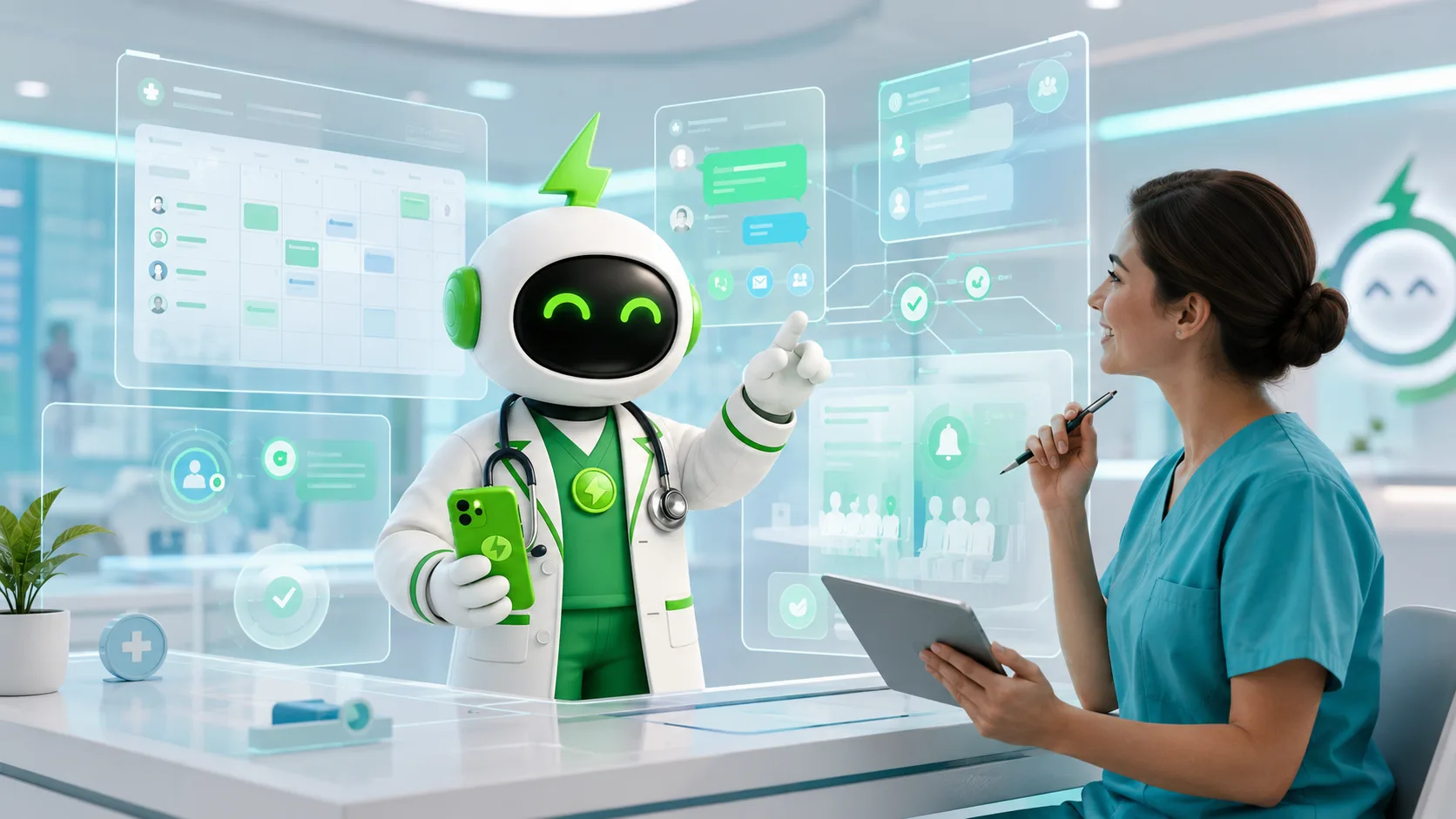
Streamline patient flow in your clinic or hospital with intelligent, customized solutions
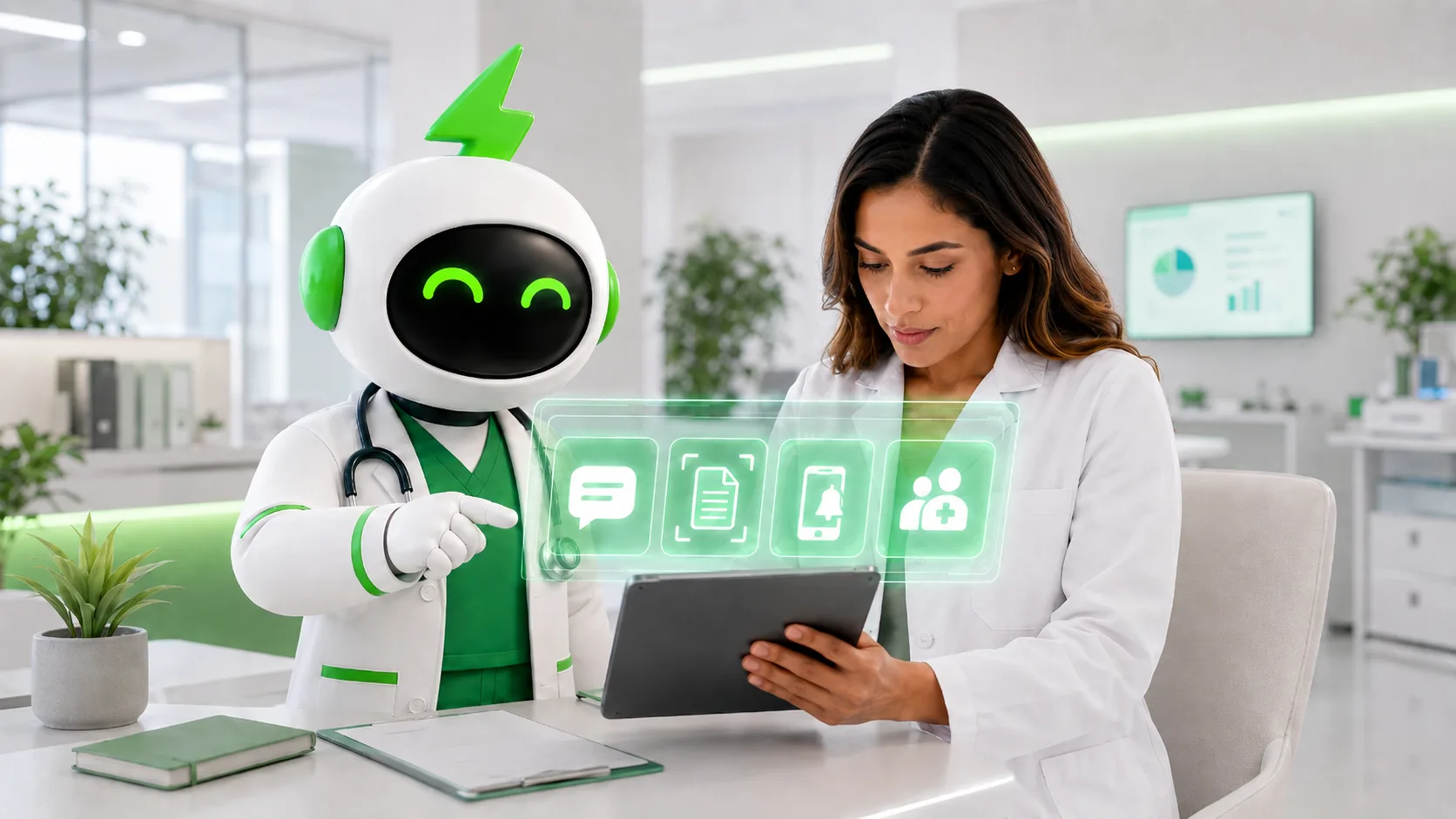
Clinics, hospitals and healthcare networks across Latin America are under increasing pressure to serve more patients, reduce no-shows, remove administrative friction and make decisions with real-time data

Panama has a clear roadmap for digital health transformation. The challenge now is turning that strategy into effective care, shorter waiting lists, and better use of installed capacity. This is how operational technology can close that gap.

Many healthcare institutions in Panama discover that a traditional scheduling tool does not solve the real problem: no-shows, underused capacity, operational friction, and limited interoperability. This article compares COCO and Cliniweb to show which type of institution fits each solution and when an access platform can drive better efficiency and results.

The CCSS has 566,000 people on waiting lists. The problem is not only about resources, it is about appointment management. Every unrescued cancellation, every slot left empty, is lost revenue and a patient who waits longer.

How patient activation works in Colombia: Health Benefit Plan list cleansing, omnichannel outreach, appointment scheduling, and patient-level traceability.

In Peru, over 917,000 medical appointments are lost every year, none reassigned. Learn how much no show rates are costing your institution and how AI can recover those revenues.

Does your organization receive Health Benefit Plan patient lists with authorized services already approved? Find out why they are not turning into scheduled appointments, and how to fix it.

Health record interoperability in Colombia: since 2026, medical data is shared across institutions, reducing duplication and improving care.
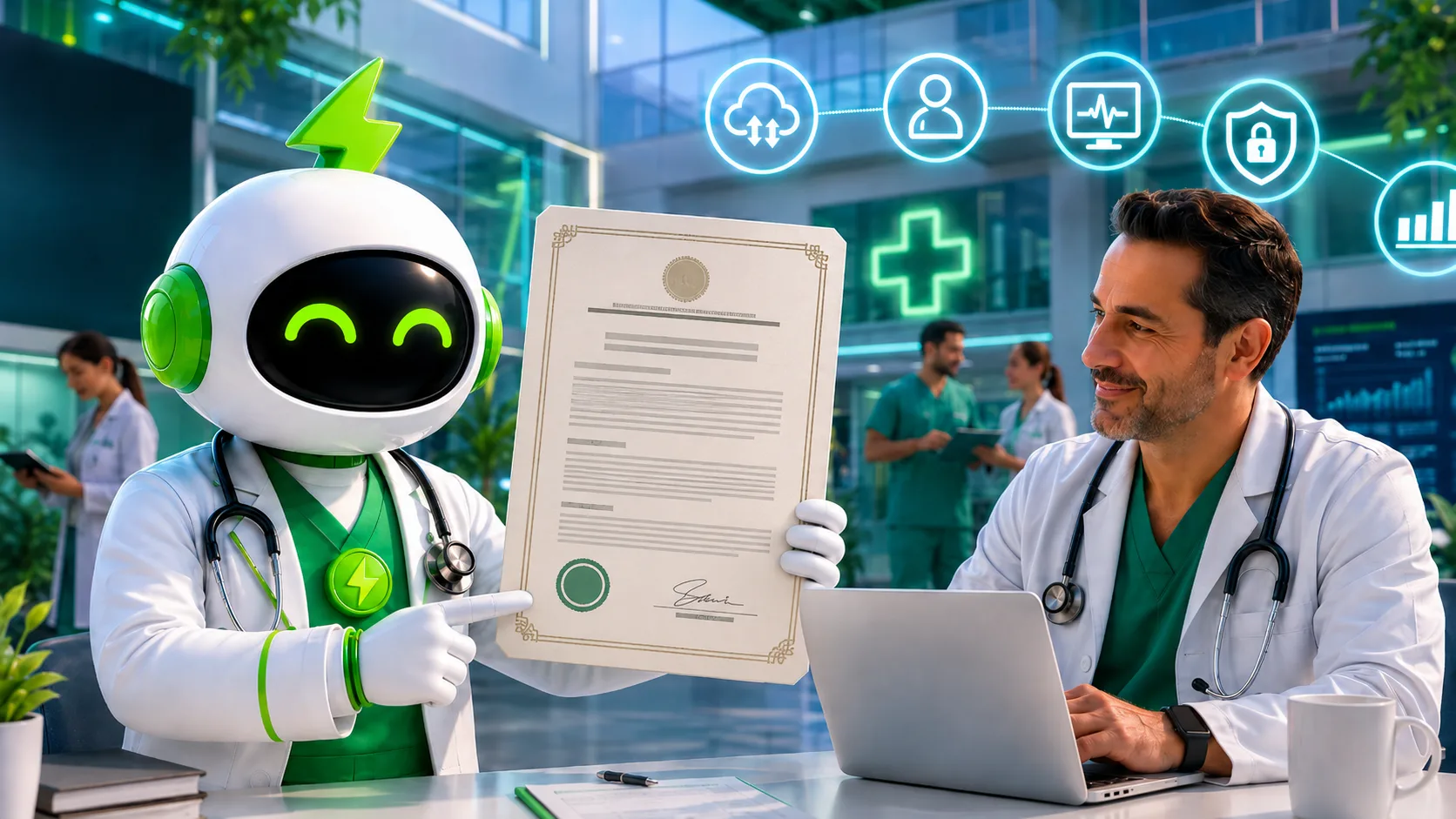
"Revolutionizing healthcare with COCO Tech AI: Navigating Decree 0182's operational impact"
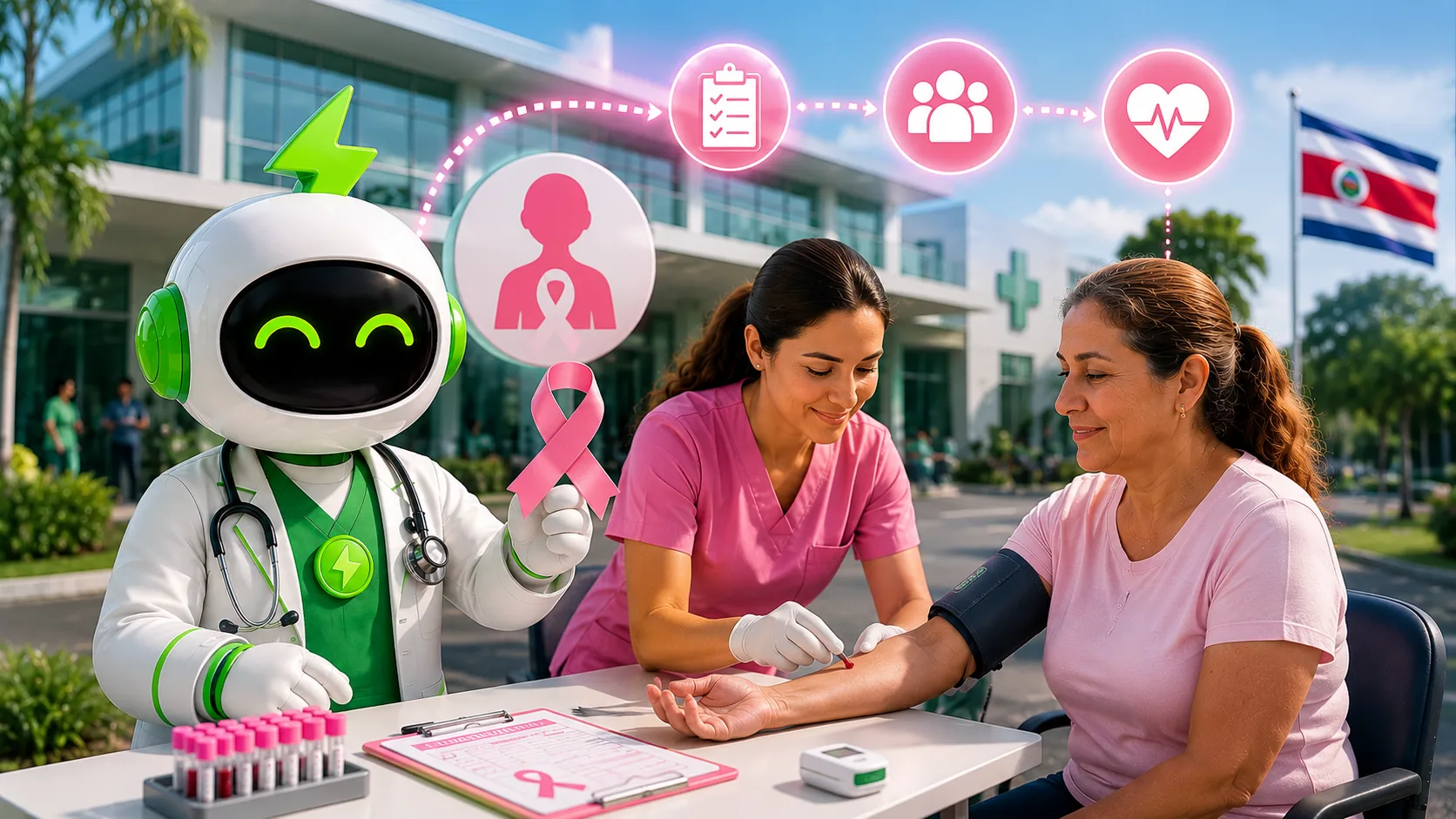
Discover how a screening program in Costa Rica strengthened public health using technology, data, and automation. A replicable case for governments.
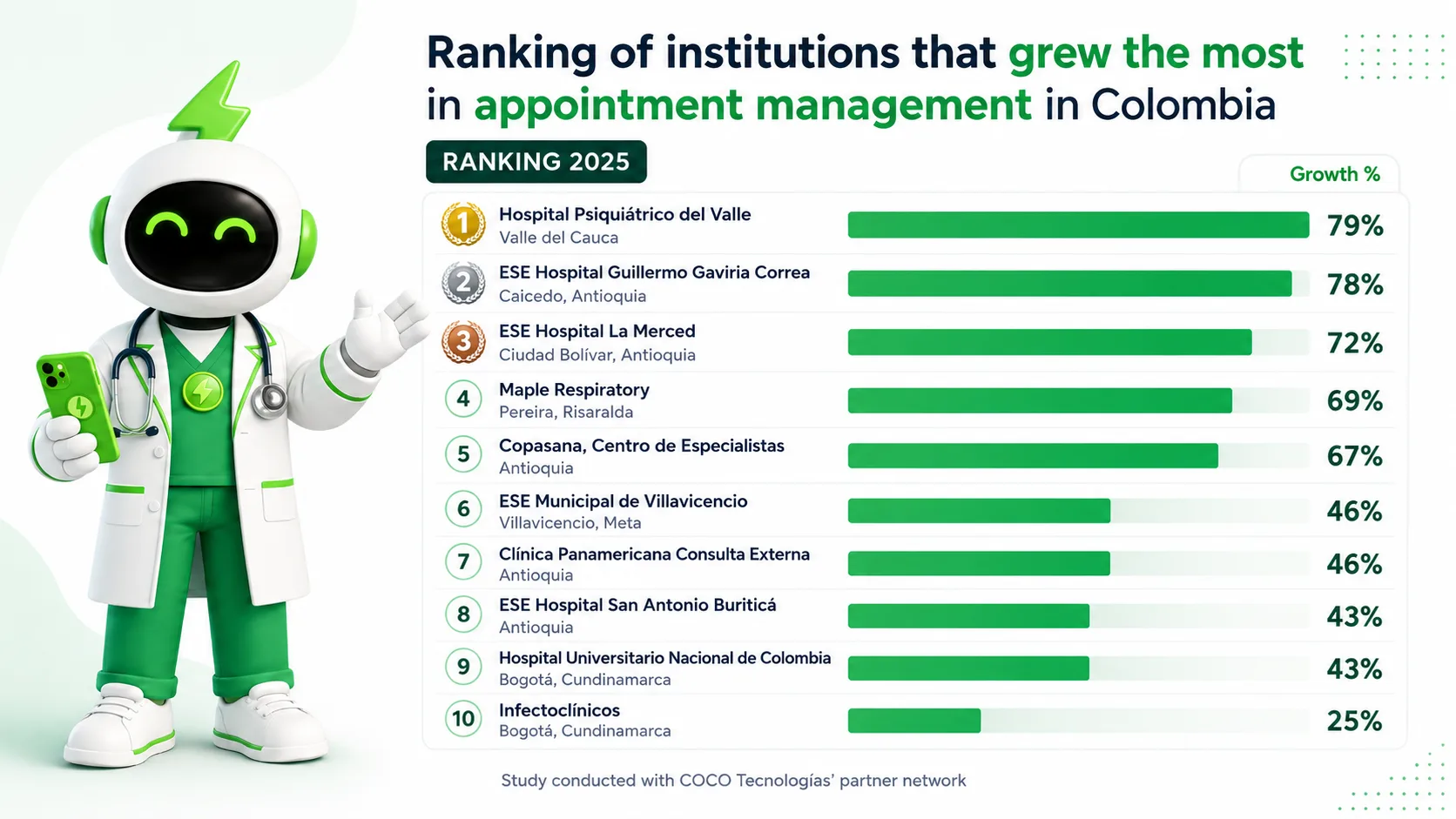
In 2025, while many clinics were shutting down services, others grew by more than 24% by optimizing medical appointment management with technology and artificial intelligence, improving efficiency, EBITDA, and patient access without expanding infrastructure.
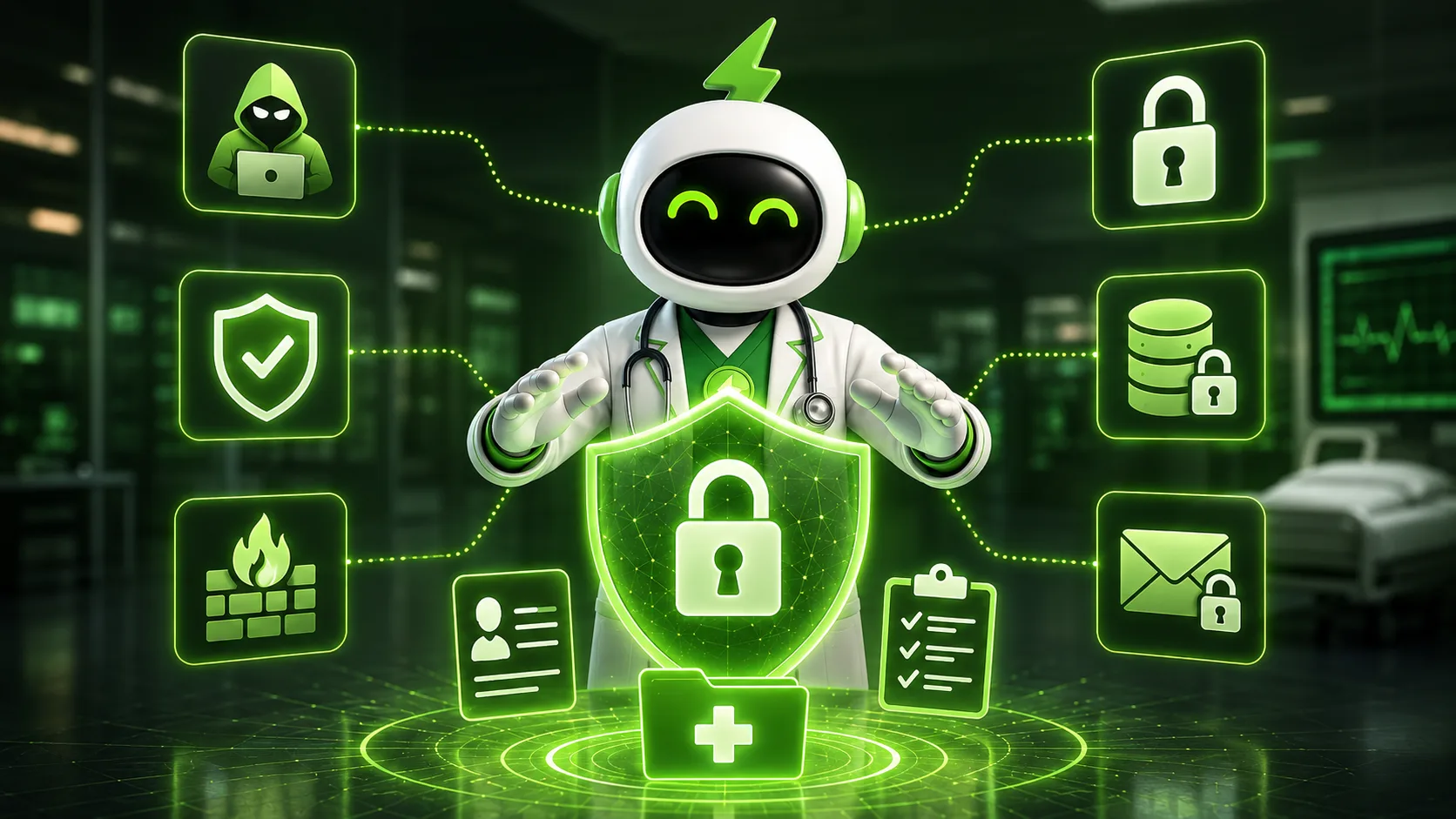
Protecting clinical data is crucial for patient care and trust, learn how cybersecurity is evolving into a strategic priority in healthcare
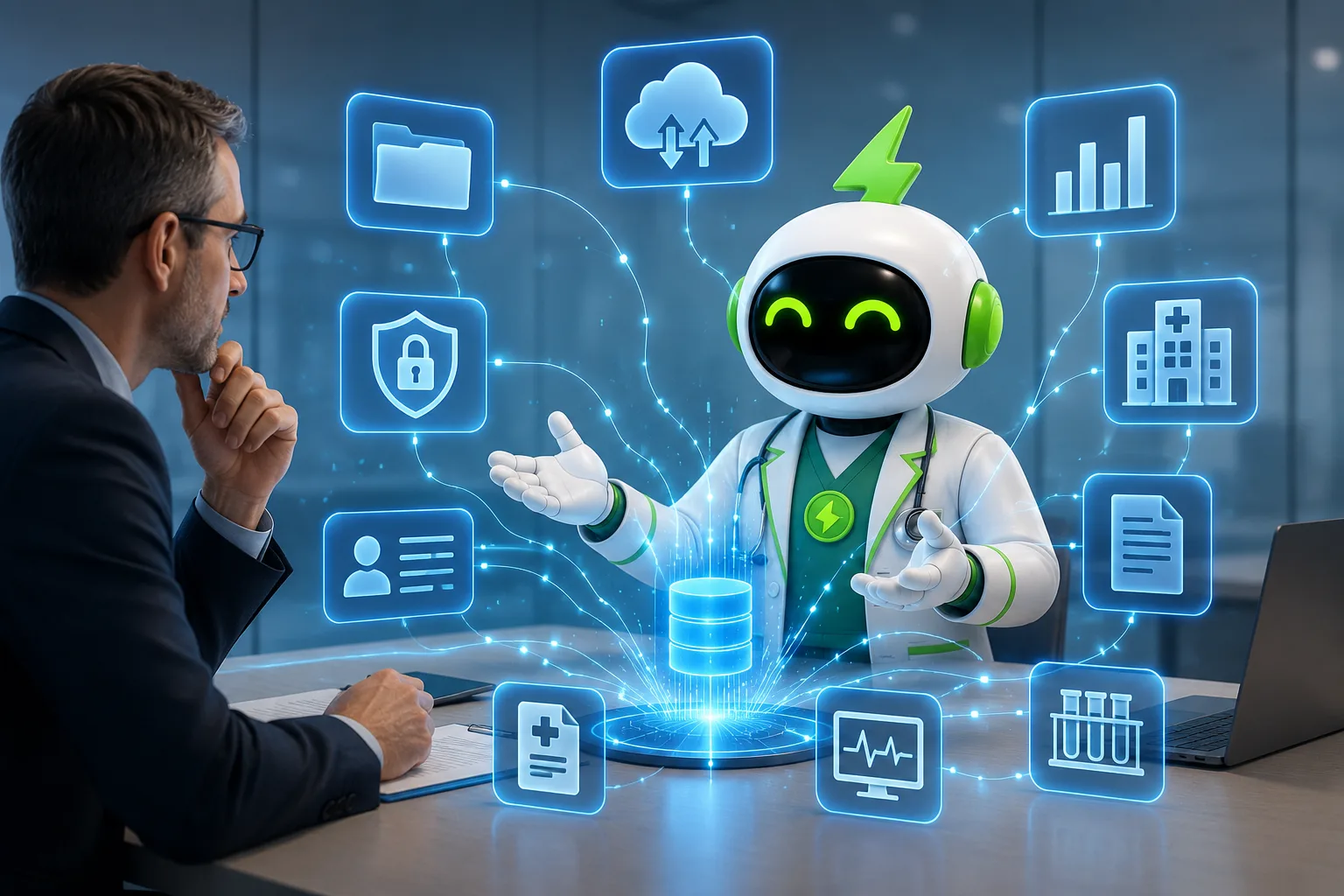
Boost clinic efficiency with cutting edge digital solutions and data driven insights
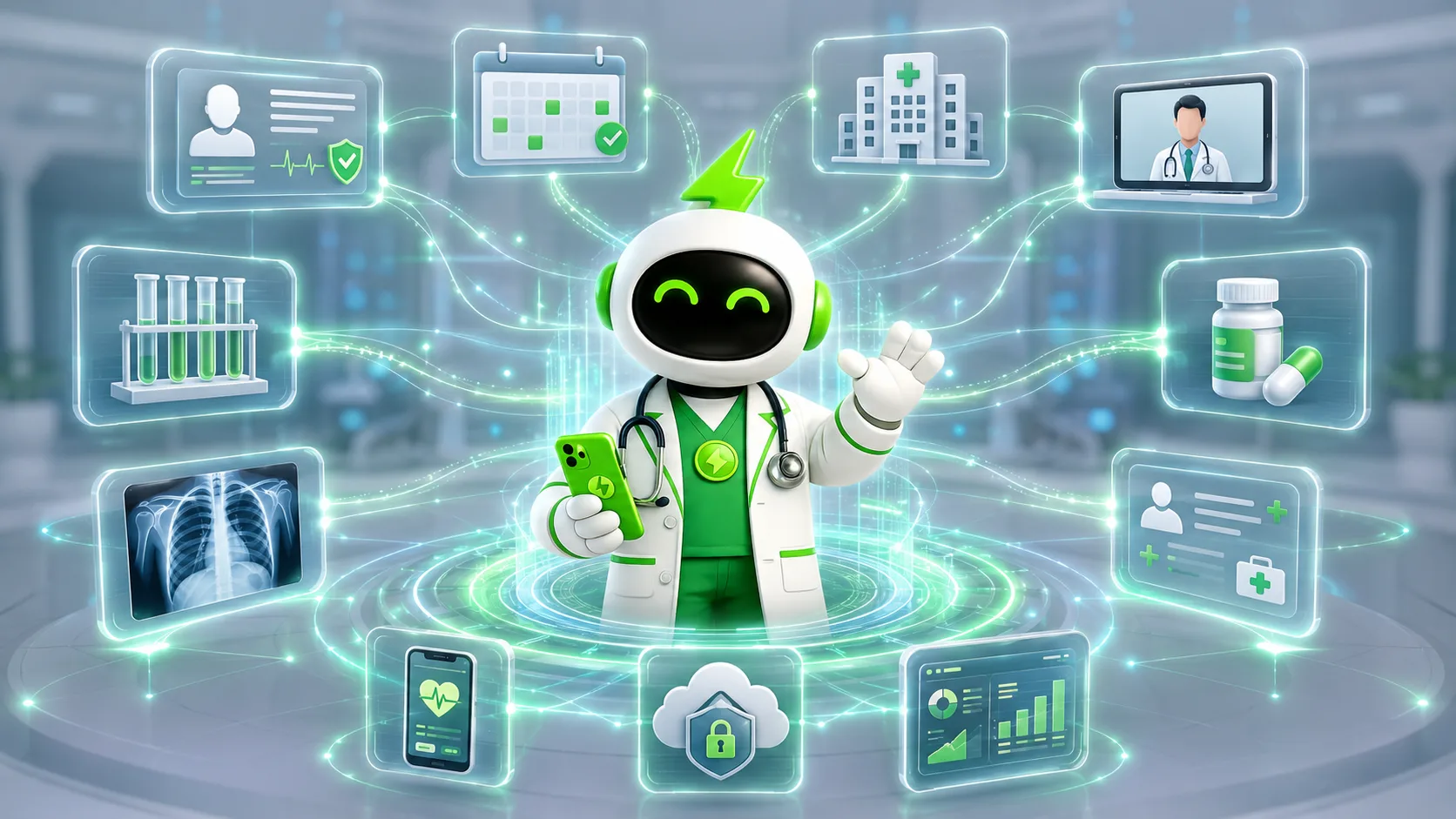
Breaking down healthcare's biggest hurdle to unlock seamless data exchange and patient care
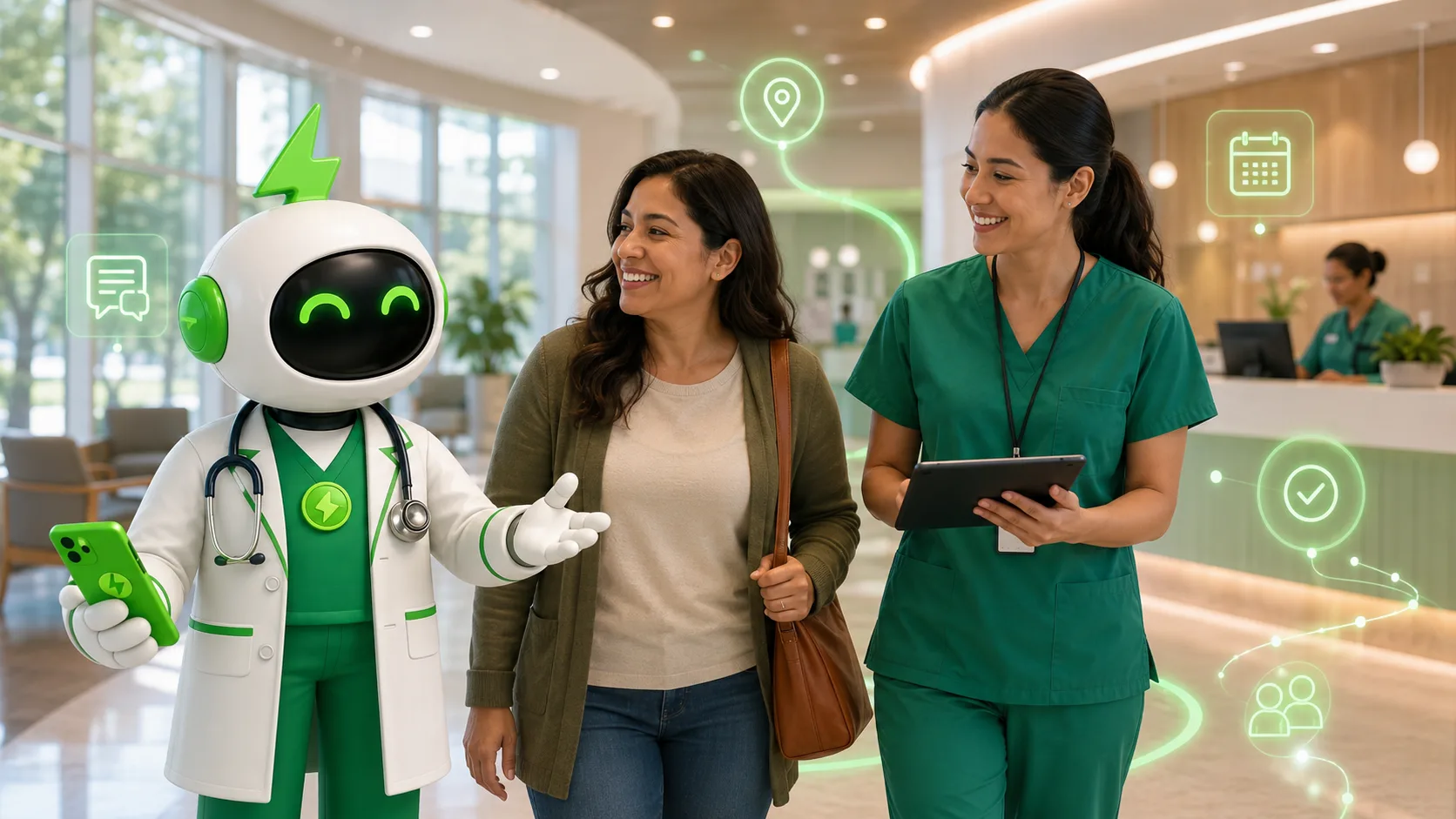
Transforming patient experience through technology is key to staying ahead in healthcare, driving loyalty and revenue growth

Discover how COCO is revolutionizing healthcare through digital innovation at the Medellín Health City Summit 2025
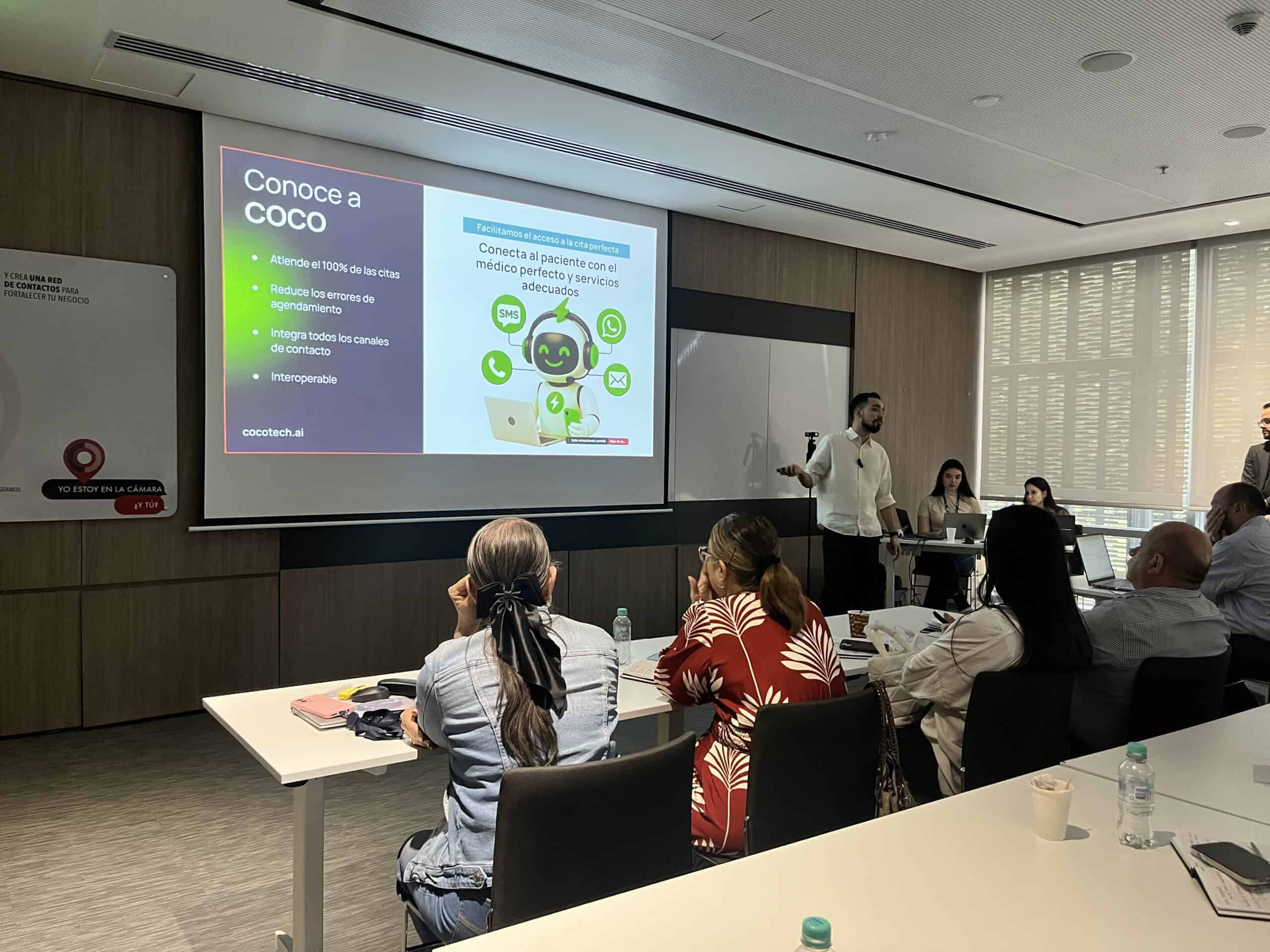
Discover how AI is revolutionizing healthcare through surprising workshop results that are transforming hospital management and patient care
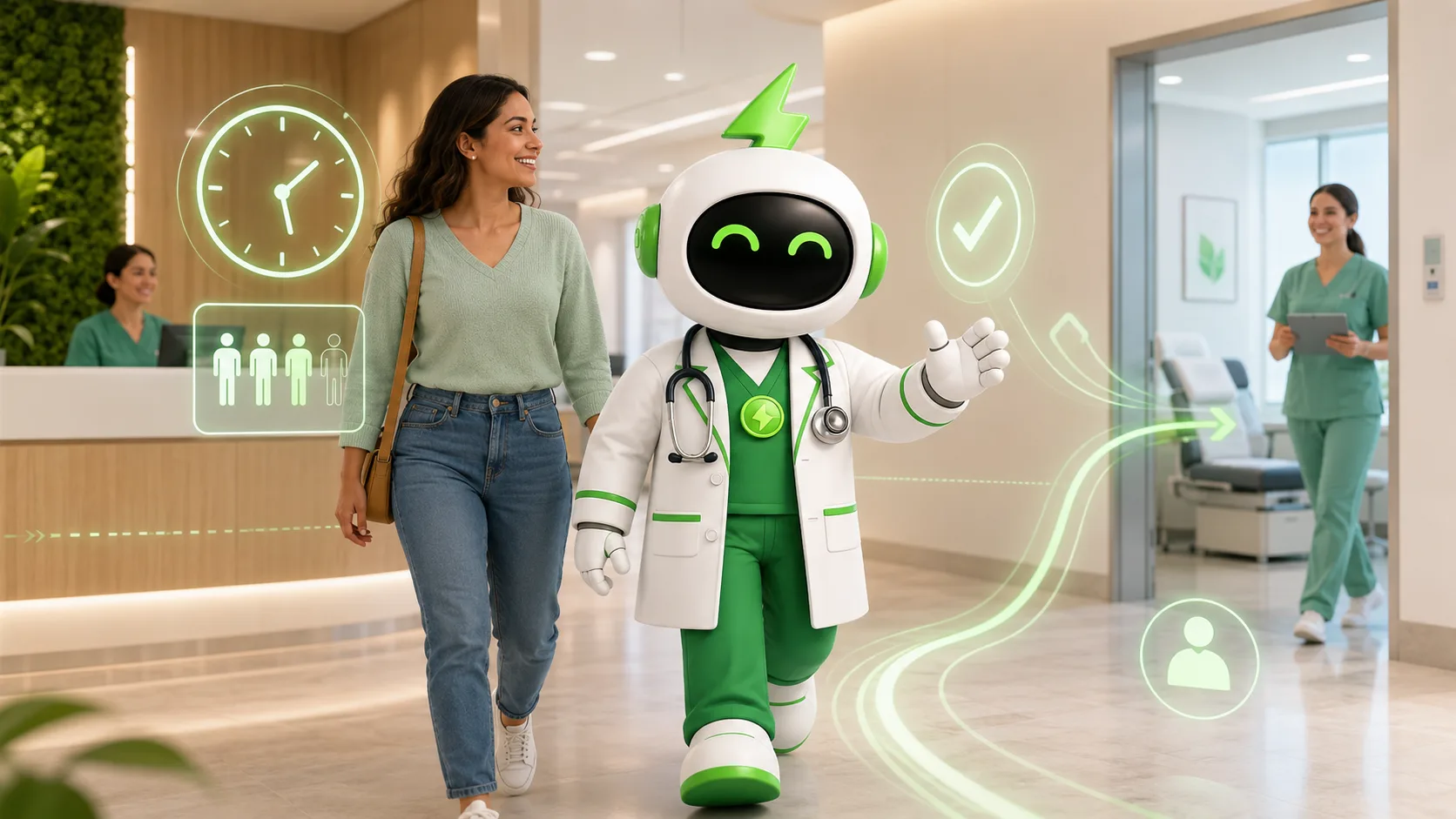
Transforming diagnosis into swift action with COCO technology to reduce waiting times and improve patient care outcomes
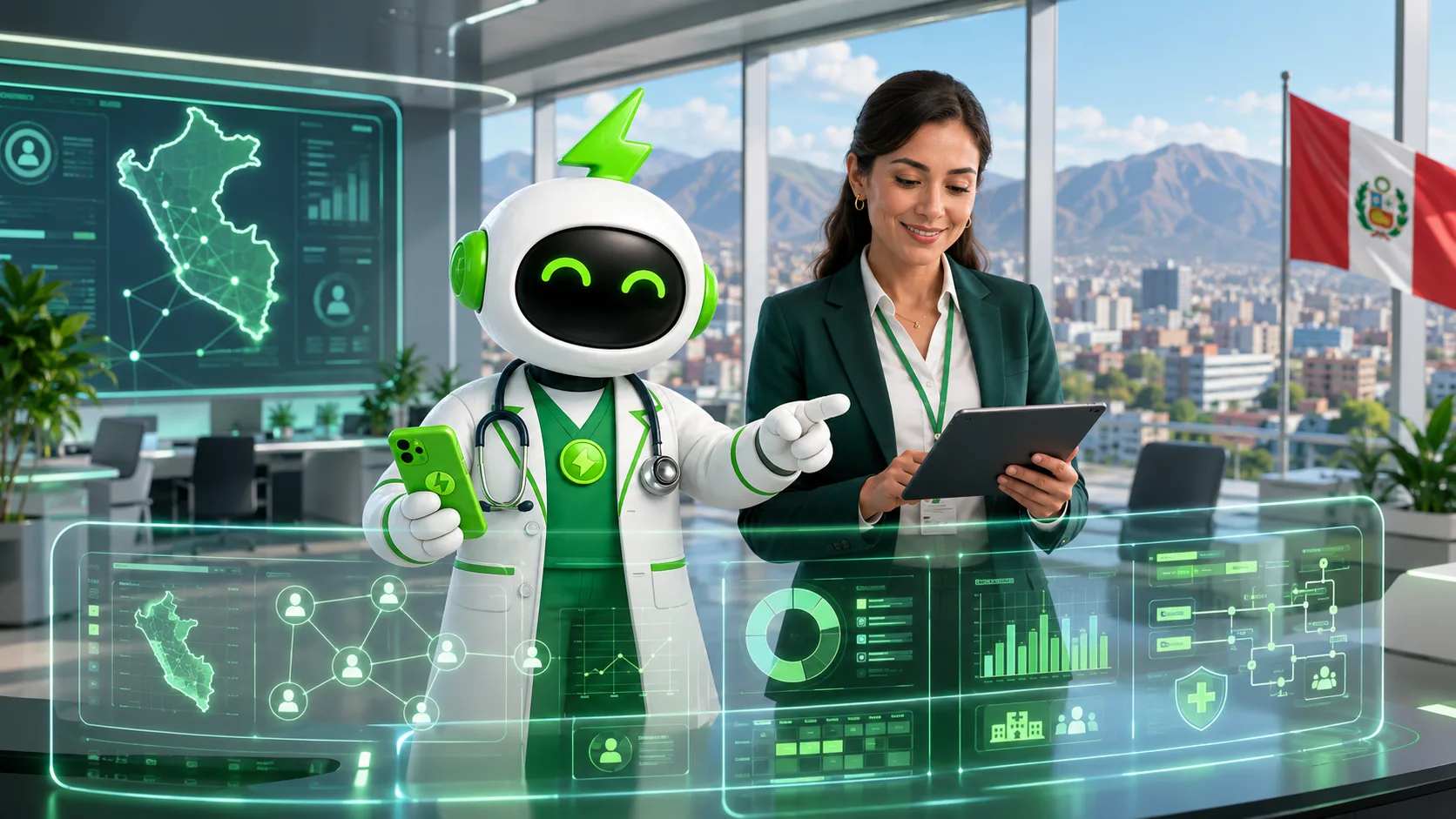
Discover the Challenges That Will Transform Clinical Management in Peru in 2026 and How to Prepare Your Institution for the Future